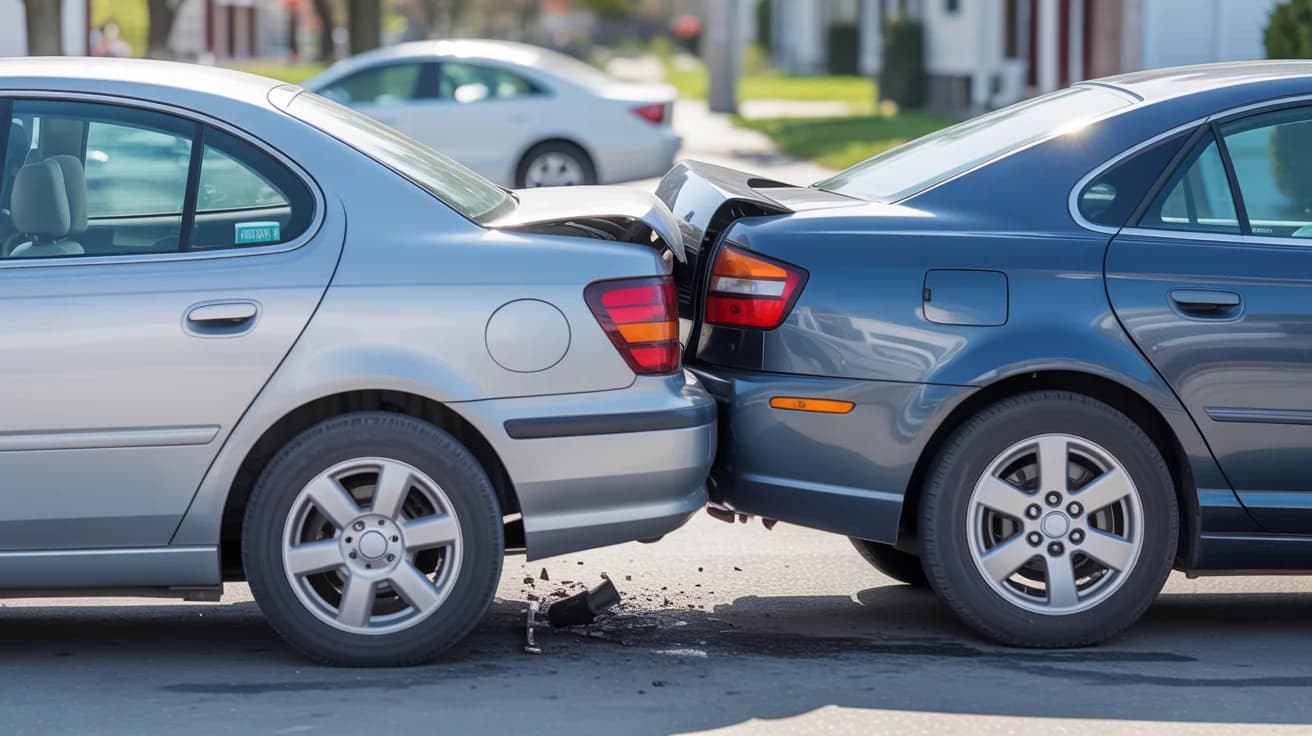
What to Do After a Car Accident
Use this quick checklist to address immediate safety, create a reliable record, and identify the reporting, medical, insurance, or legal questions that need follow-up.
View Step-by-Step Guide ↓8 Practical Steps After an Accident
Start with safety, then build a clear record of what happened and what still needs attention.
Check for Immediate Danger
Check yourself and others for injuries, turn on hazard lights, and move out of traffic when it is safe to do so.
Key Tips:
- Call 911 for injuries, fire, blocked traffic, or another emergency
- Follow dispatcher instructions if a neck or back injury is suspected
- Do not put yourself in an active traffic lane
Report the Collision
Contact emergency services when needed and check California reporting rules for the facts of the collision.
Key Tips:
- Ask how to obtain the incident or report number
- Record the responding agency and officer information
- Check whether separate DMV and law-enforcement reports are required
Photograph the Scene
If it is safe, photograph vehicle positions, damage, the roadway, signs, debris, and visible conditions before they change.
Key Tips:
- Capture wide views and close details
- Include license plates and vehicle identifiers
- Do not step into traffic to take a photo
Exchange and Record Information
Collect driver, vehicle, insurance, and witness details without guessing about fault.
Key Tips:
- Driver name, license, and contact information
- Insurance company and policy information
- Vehicle make, model, and license plate
Respond to Medical Concerns
Call 911 for emergency warning signs. For new or worsening symptoms, contact a qualified health professional for guidance based on the symptoms.
Key Tips:
- Describe symptoms accurately to the dispatcher or clinician
- Keep discharge instructions and visit summaries
- Record later symptoms and follow-up care
Review Your Insurance Duties
Report the collision as your policy requires, provide accurate facts, and keep a record of each communication.
Key Tips:
- Note the claim number and representative
- Separate observations from assumptions
- Save messages, letters, estimates, and receipts
Understand Requests Before Responding
Before giving a recorded statement or signing a release, identify who is asking, which policy is involved, and what the request authorizes.
Key Tips:
- Your duties to your own insurer may differ from requests by another insurer
- Ask for documents and questions in writing when possible
- Keep copies of anything you submit or sign
Consider Independent Legal Review
Attorney review may be useful when injuries continue, fault or coverage is disputed, a public or commercial party is involved, or a release is unclear.
Key Tips:
- Compare source-backed attorney profiles
- Ask about experience, communication, fees, and case costs
- Representation begins only through a separate written agreement
Common Information Gaps to Prevent
A complete timeline and document file make later medical, insurance, and legal conversations easier to evaluate.
Guessing about fault
Record what you observed and let the available evidence support the responsibility analysis.
Missing a required report
A police response does not replace every California DMV or law-enforcement reporting duty.
Ignoring new symptoms
Some symptoms can appear later. Emergency warning signs need emergency care; other concerns can be discussed with a qualified clinician.
Losing the communication trail
Save claim numbers, emails, letters, estimates, receipts, and notes from calls in one file.
Evaluating an offer without the documents
Compare the offer and release with known treatment, wage, property, coverage, and lien information.
Signing an unclear release
Ask what claims, parties, and future rights the document covers before deciding whether to sign.
Official California and health references
Requirements and medical needs depend on the collision. Check the current official guidance that applies to your facts.
Related next-step resources
After the immediate safety steps, use these guides to complete the collision record, understand when attorney review may help, and choose a practical next step.
After the scene
Move from immediate safety into an organized evidence and follow-up file
Once immediate dangers are addressed, record where the collision happened, who was involved, what symptoms appeared, what care was received, and which insurers or other parties have communicated.
Use these pages to organize reports, messages, appointments, repair records, and questions before the details become difficult to reconstruct.
Need Help Organizing the Next Steps?
Hurt Advice provides a no-cost intake process for organizing accident details and possible routing to an independent participating attorney. Hurt Advice is not a law firm.
No-Cost Intake Review
Secure intake request
Send your name and one way to reach you now. Case details are optional.