California injury articles. Clearer next steps.
Practical guides to accident records, insurance questions, and choosing an attorney. Start with the latest article or browse by the question you need answered.
- Transparent bylines and review status
- Source and role transparency
- Useful paths beyond the article

How to Verify Sam Ryan Heidari’s California and Nevada Attorney Records
Featured research
One useful question, followed all the way through.
Start with a source-rich editor's pick, then continue into the newest practical research notes.


Start with your situation
You should not need legal vocabulary to find the right first page.
Choose the moment that sounds closest to yours. Each route begins with practical information and makes the difference between public education, attorney advertising, and actual legal representation clear.
After a collision
Protect the first 24 hours
Work through safety, photos, reports, medical care, insurer contact, and the records worth keeping.
Open the accident guideWhen insurance calls
Understand the pressure points
Learn how statements, releases, treatment gaps, disputed fault, and quick offers can affect a claim.
Explore insurance guidanceBefore choosing counsel
Compare proof, role, and fit
Review public credentials, practice focus, language support, locations, and participating attorney profiles.
Compare legal profilesMore research tools and guidance
Research by need
Read less randomly. Move toward the answer you actually need.
The Blog is one part of a larger research system. These paths connect an article to the service, evidence tool, profile, calculator, or Spanish resource that can make the next decision clearer.
Start with the closest article question
Choose the article that matches the accident type, injury, evidence issue, insurance problem, or deadline you are researching.
Open the matching service or resource page
Use the related practice-area, checklist, glossary, statistics, or settlement resource so the article turns into a more complete research path.
Compare profile and review standards before intake
Review named authors, participating attorney profiles, source standards, and the referral-service disclosure before sending facts through case routing.
Personal injury blog
Start with California personal injury questions
Use this path for broad searches about injury claims, deadlines, evidence, damages, and whether a lawyer review may be useful.
Continue this pathCar accident articles
Move from accident articles into the car crash hub
Compare blog guidance with the car accident claim page, then continue into checklists, insurance resources, and local city pages.
Continue this pathAttorney fit
Compare participating attorney profiles
Review sourced attorney profiles, practice focus, language support, and review steps before requesting a case-routing intake.
Continue this pathValue research
Estimate damages and settlement factors
Use calculators and damages guides when a blog question turns into medical bills, wage loss, future care, or policy-limit planning.
Continue this pathEvidence tools
Organize records before contacting insurers
Follow checklists for photos, reports, treatment records, adjuster messages, and proof that can support an injury claim.
Continue this pathSpanish guidance
Read accident guidance in Spanish
Spanish-speaking visitors can move into Spanish accident, attorney, and contact pages with matching intake and education paths.
Continue this pathComplete article directory
Browse every published article collection.
Browse articles by accident, injury, insurance question, or the records you need. Each collection brings related guides together, with the latest article linked below.
30 articles
Personal Injury
Source-supported personal injury articles, legal explainers, and practical guidance with transparent editorial or attorney attribution from Hurt Advice.
Newest: How to Verify Sam Ryan Heidari’s California and Nevada Attorney Records
Open collection17 articles
Car Accidents
Source-supported car accidents articles, legal explainers, and practical guidance with transparent editorial or attorney attribution from Hurt Advice.
Newest: Rental-Car Return and Damage Records After a California Crash
Open collection11 articles
Premises Liability
Source-supported premises liability articles, legal explainers, and practical guidance with transparent editorial or attorney attribution from Hurt Advice.
Newest: California Amusement-Ride Injury Records: What to Preserve
Open collection10 articles
General Injury Guidance
Source-supported general injury guidance articles, legal explainers, and practical guidance with transparent editorial or attorney attribution from Hurt Advice.
Newest: Why Choose Hurt Advice for Your Personal Injury Case
Open collection7 articles
Workplace
Source-supported workplace articles, legal explainers, and practical guidance with transparent editorial or attorney attribution from Hurt Advice.
Newest: How to Use a California SJDB Retraining Voucher
Open collection4 articles
Bicycle
Source-supported bicycle articles, legal explainers, and practical guidance with transparent editorial or attorney attribution from Hurt Advice.
Newest: Rental E-Scooter Records After a California Crash
Open collection3 articles
Medical Malpractice
Source-supported medical malpractice articles, legal explainers, and practical guidance with transparent editorial or attorney attribution from Hurt Advice.
Newest: California Nursing-Home Pressure Ulcer Timeline: What to Compare
Open collection3 articles
Truck Accidents
Source-supported truck accidents articles, legal explainers, and practical guidance with transparent editorial or attorney attribution from Hurt Advice.
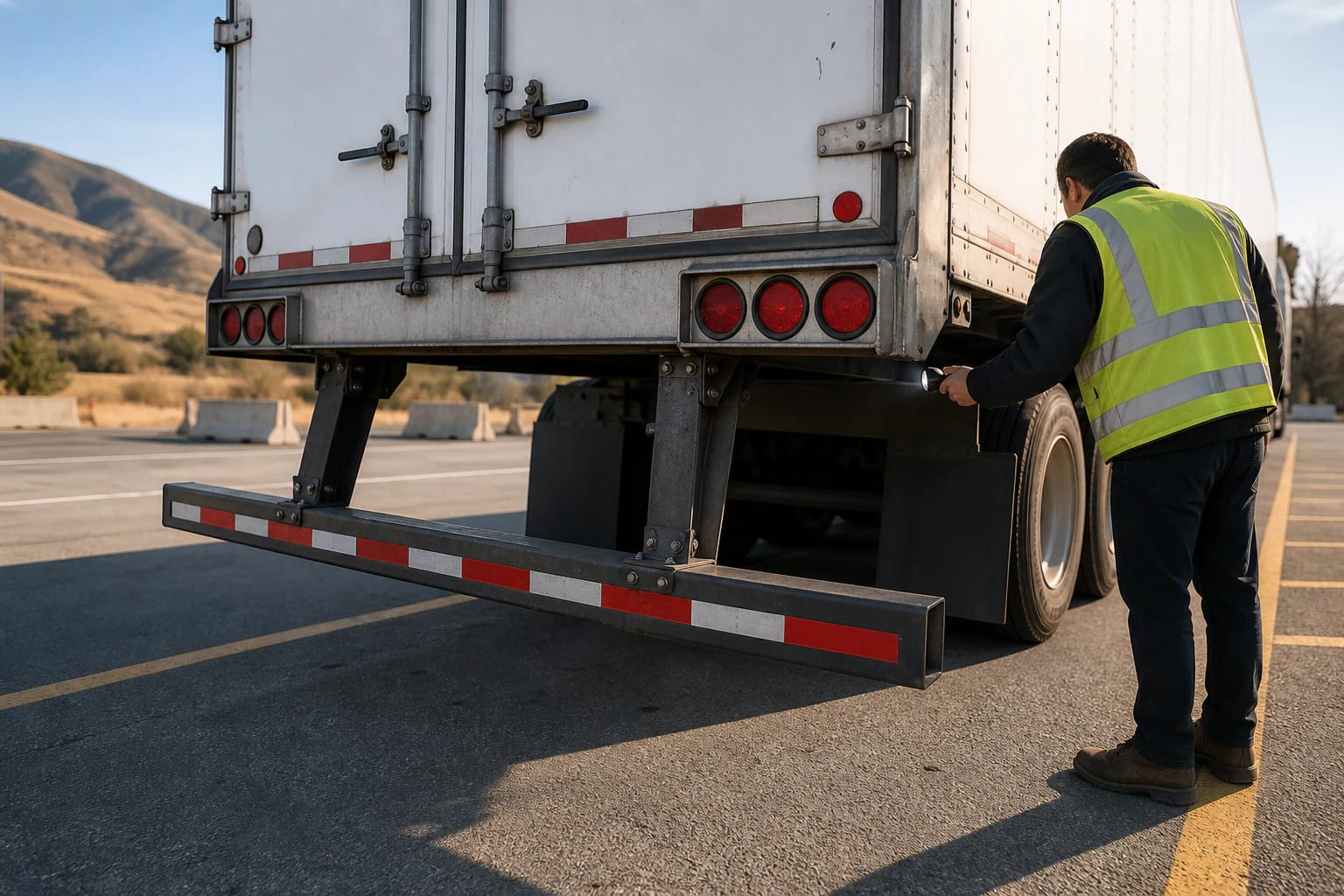
Newest: How to Match a Trailer and Rear Guard After a California Underride Crash
Open collection3 articles
Public Transit
Source-supported public transit articles, legal explainers, and practical guidance with transparent editorial or attorney attribution from Hurt Advice.
Newest: Airline Cabin-Incident Records After a California Flight Injury
Open collection2 articles
Motorcycle
Source-supported motorcycle articles, legal explainers, and practical guidance with transparent editorial or attorney attribution from Hurt Advice.
Newest: Motorcycle Helmet Damage After a California Crash: What to Preserve
Open collection2 articles
Pedestrian
Source-supported pedestrian articles, legal explainers, and practical guidance with transparent editorial or attorney attribution from Hurt Advice.
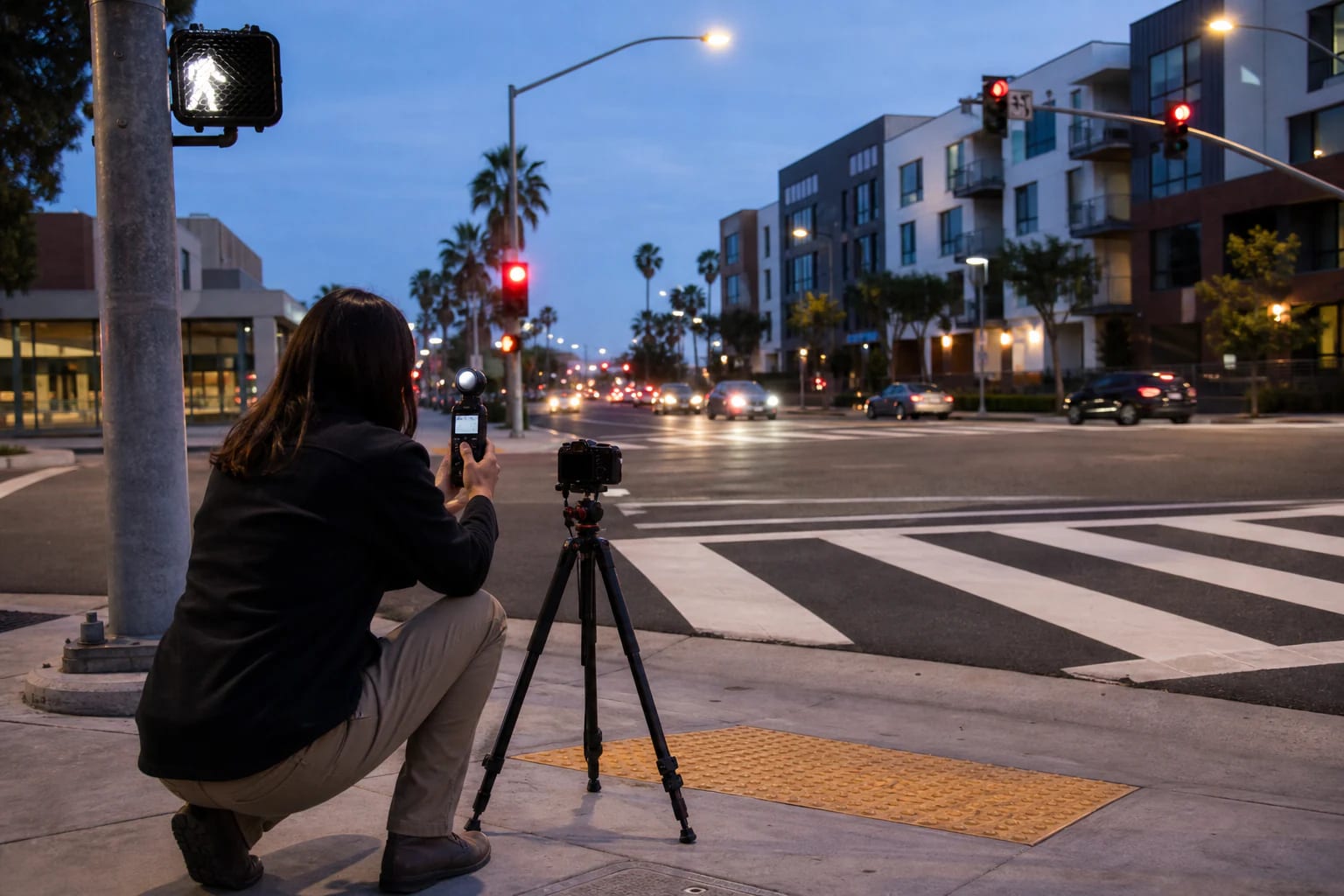
Newest: California Pedestrian Crash Data: Time, Place, and Records
Open collection1 article
Catastrophic
Source-supported catastrophic articles, legal explainers, and practical guidance with transparent editorial or attorney attribution from Hurt Advice.
Newest: Home Accessibility After a Catastrophic Injury: A California Planning Guide
Open collection1 article
Uber/Lyft
Source-supported uber/lyft articles, legal explainers, and practical guidance with transparent editorial or attorney attribution from Hurt Advice.
Newest: Rideshare App and Trip Records After a California Crash
Open collection1 article
Brain Injury
Source-supported brain injury articles, legal explainers, and practical guidance with transparent editorial or attorney attribution from Hurt Advice.
Newest: Neuropsychological Testing Records After a California Brain Injury
Open collection1 article
Back & Neck
Source-supported back & neck articles, legal explainers, and practical guidance with transparent editorial or attorney attribution from Hurt Advice.
Newest: Spinal Fusion Procedure Records: A California Organization Guide
Open collection1 article
Food Delivery
Source-supported food delivery articles, legal explainers, and practical guidance with transparent editorial or attorney attribution from Hurt Advice.
Newest: Who Pays After a Food Delivery Driver Crash in California?
Open collection1 article
Broken Bones
Source-supported broken bones articles, legal explainers, and practical guidance with transparent editorial or attorney attribution from Hurt Advice.
Newest: How to Document Breathing Limits After Broken Ribs in California
Open collection1 article
Train
Source-supported train articles, legal explainers, and practical guidance with transparent editorial or attorney attribution from Hurt Advice.
Newest: Railroad Crossing Signal and Inspection Records After a California Crash
Open collectionEditorial collections
Four ways to turn reading into a better-prepared next step.
Follow a collection when you need more than one article and want the related checklists, profiles, and practical tools kept together.
Accident response
What to do before the details blur
A practical route through safety, documentation, treatment, reports, and early insurance contact.
Open collectionEvidence and claims
Build a cleaner record of what happened
Use checklists, timelines, medical records, photos, witness details, and insurer correspondence.
Open collectionAttorney research
Know what to verify before a call
Compare participating profiles, public sources, languages, practice focus, and role disclosures.
Open collectionEn Espanol
Continue your research in Spanish
Find Spanish accident information, attorney profiles, local pages, and matching intake paths.
Open collectionLatest from the Blog
Keep researching.



Visible editorial trust
Named people, public profiles, and standards you can inspect.
Hurt Advice identifies who writes and reviews its public legal information. Profiles and standards are there so readers can inspect role, credentials, sources, and process rather than relying on anonymous copy.
Editorial standards
How Hurt Advice separates public information, attorney advertising, and case-routing support.
Legal review process
How named reviewers, publication checks, and refresh decisions are documented.
Source policy
What counts as a source, how citations are used, and what visitors should independently verify.

Attorney research
Connect article research to a verified attorney identity
Use these profiles to check California license information, firm context, languages, public sources, and stated practice focus after reading an injury guide.
Hurt Advice is a lawyer referral and legal information service, not a law firm. A profile does not establish availability, case acceptance, or an attorney-client relationship.
Compare the complete legal-profile directory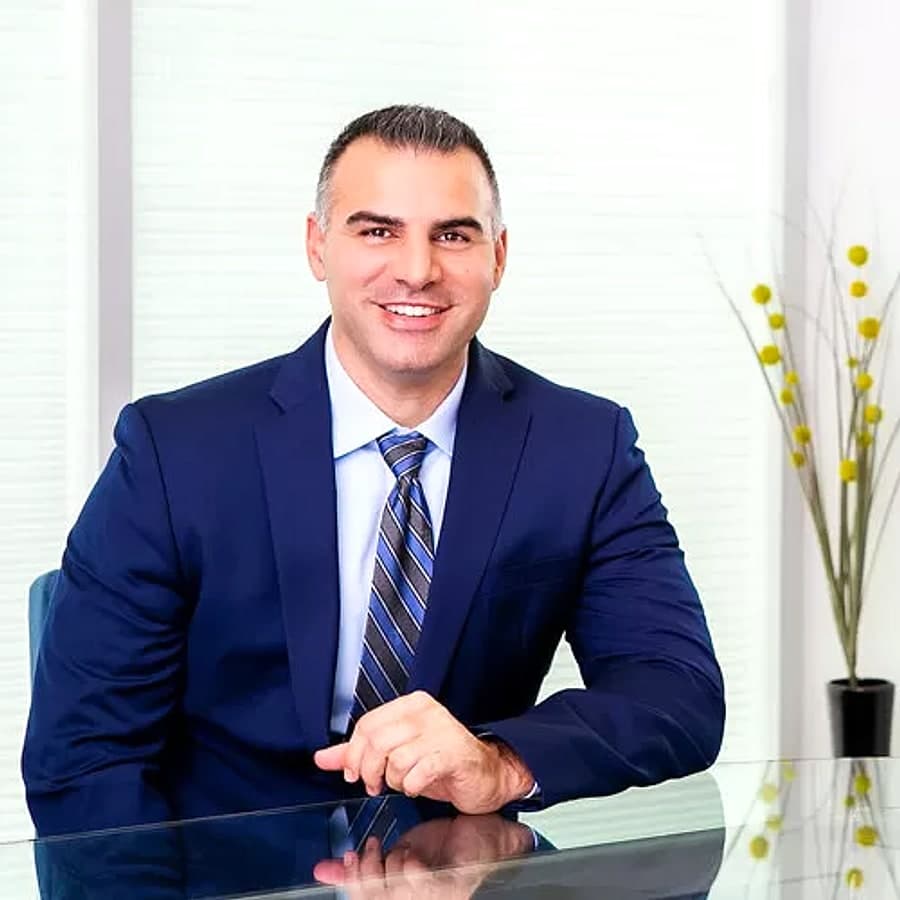
California Bar #242303
Armen Akaragian, Esq.
Mardirossian Akaragian LLP

California Bar #238919
Raffi Naljian, Esq.
Naljian Law Offices, PC

California Bar #324132
Nina Garayan, Esq.
Garayan Law Group

California Bar #321803
Silva Maranjyan, Esq.
Elite Law Group, APLC

California Bar #337142
Astghik Sogoyan, Esq.
Elite Law Group, APLC

California Bar #288713
Abraham Chuljyan, Esq.
Ace Law Firm, P.C.

California Bar #302555
Sam Ryan Heidari, Esq.
Heidari Law Group
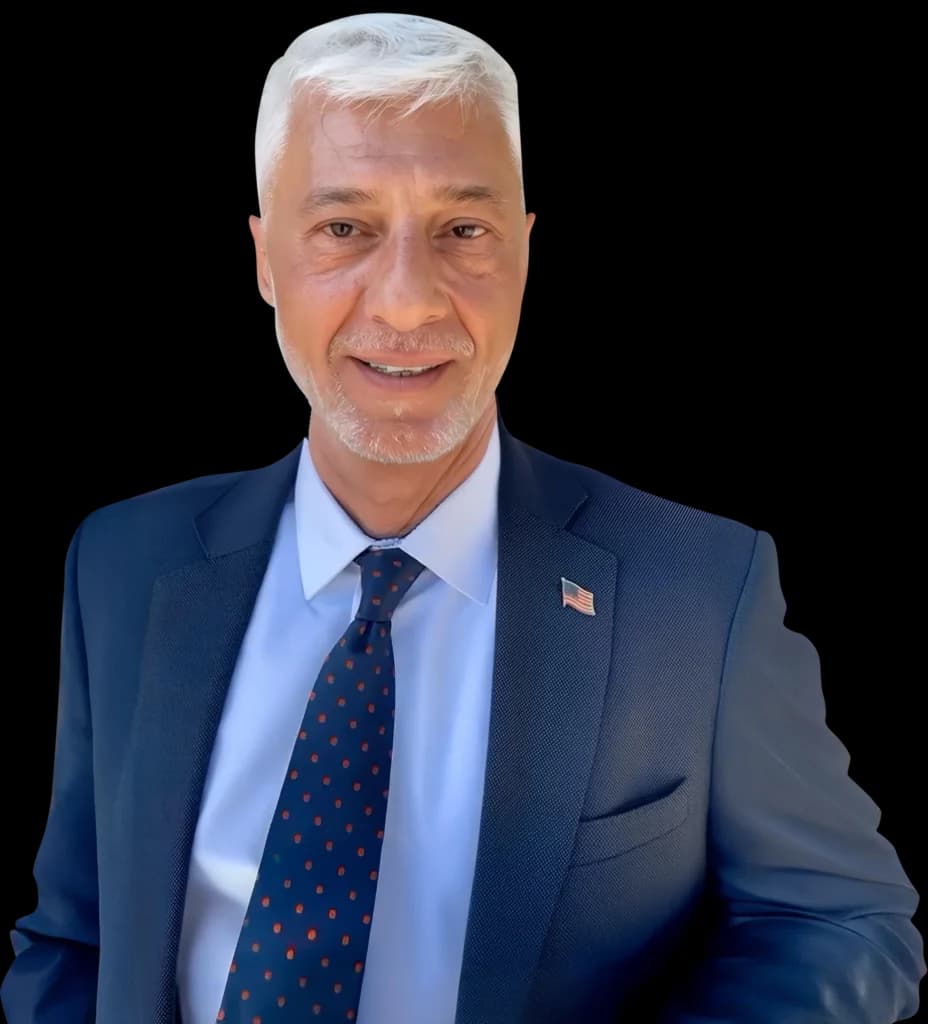
California Bar #140199
James K. Sadigh, Esq.
James K. Sadigh, Attorney at Law
Blog questions
Know what the Blog can and cannot do.
These answers explain the role of the publication, how to use an article, and where to go when general information is no longer enough.
What makes the Hurt Advice blog different from a generic personal injury blog?+
The Hurt Advice blog connects articles to attorney profiles, service guides, resource pages, and intake paths so readers can move from general California injury education into the next relevant page without losing context.
Is Hurt Advice a law firm?+
No. Hurt Advice is a legal information, attorney advertising, and case-routing platform. It is not a law firm, does not provide legal advice, and does not create an attorney-client relationship by publishing articles or receiving an intake request.
How should I use a blog article after an accident?+
Use the article to understand the issue, then follow the linked practice area, resource, attorney profile, or contact path that matches your injury, location, evidence question, or insurance problem.
Can the blog help me compare injury lawyers near me?+
The blog can help you understand which legal issue to research first. For attorney comparison, use the lawyer directory, city pages, and service hubs to review participating profiles and submit a no-cost intake request.
When research becomes personal
Have the facts, but still do not know which page or person fits?
Submit a no-cost case-routing intake request. Hurt Advice may route the information to an independent participating attorney or law firm for review. Submitting information does not create an attorney-client relationship.