What to Do After a Car Accident: 8 Practical Steps
Start with immediate safety, then use California reporting rules and a clear evidence file to guide medical, insurance, and legal follow-up.
At the scene
Safety, reporting, photos
After the scene
Symptoms, records, claim notes
Before signing
Review offers and releases
8 Practical Steps After a Car Accident
The right response depends on injuries, road conditions, vehicle damage, and reporting duties. Use the steps that fit the situation.
Check for Injuries and Immediate Danger
Check yourself and others, look for traffic or fire hazards, and call 911 for injuries or another emergency.
- Tell the dispatcher what you can observe without guessing
- Check all passengers, including children in car seats
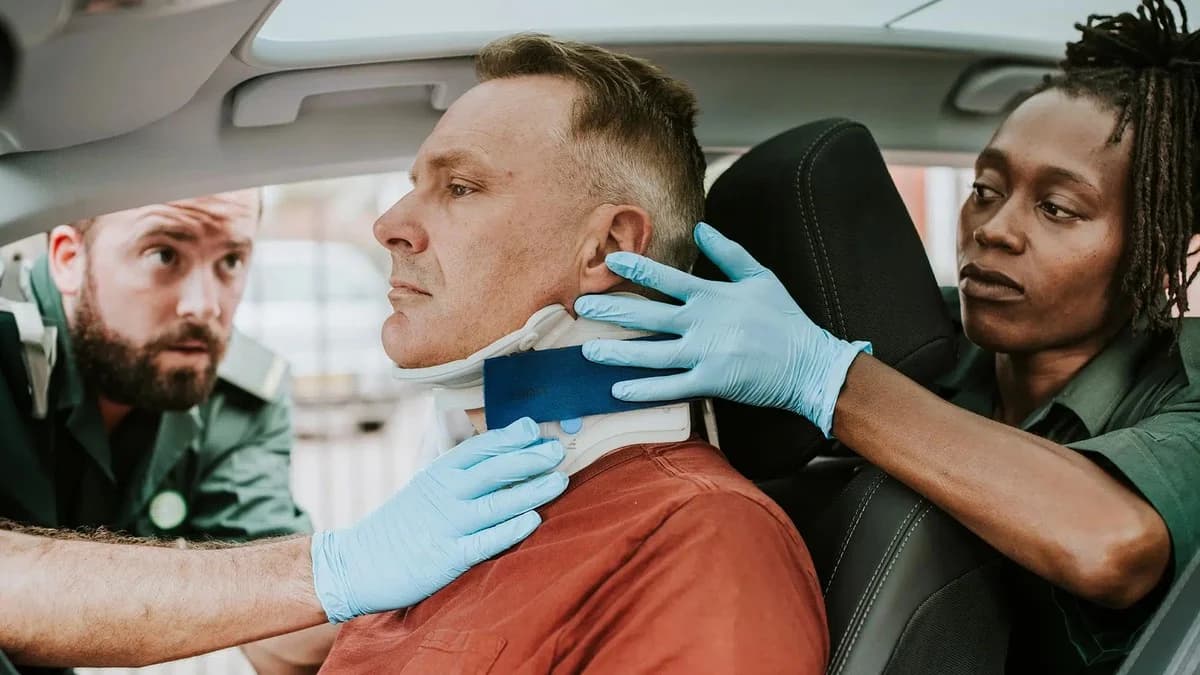
- Follow dispatcher instructions if a neck or back injury is suspected
- Move away from traffic, fire, or another immediate danger when you can do so safely
Move Out of Traffic If It Is Safe
California DMV guidance says to move a vehicle out of traffic when no one is hurt and it can be done safely.
- Turn on hazard lights
- If safe, move vehicles out of traffic
- Use warning equipment only from a safe location
- Avoid standing or walking in an active traffic lane
Report the Collision Under California Rules
Contact emergency services when needed, then check the current law-enforcement and DMV reporting duties that apply to the collision.
- Provide the location and known hazards accurately
- Record the responding agency and report or incident number
- Use the official DMV guidance to check whether an SR-1 is required
- Remember that a police report does not replace a required DMV report
Exchange Information
Collect essential information from all parties involved in the accident.
- Full name, address, and phone number
- Driver's license number and state
- Insurance company and policy number
- Vehicle make, model, year, and license plate
- Exchange facts without guessing about fault
Document Everything
If it is safe, create a factual record before vehicles, debris, weather, or traffic conditions change.
- Take photos of all vehicle damage from multiple angles
- Photograph the accident scene, road conditions, and traffic signs
- Take pictures of visible injuries
- Get contact info from any witnesses
- Note weather and lighting conditions
Respond to Symptoms and Medical Concerns
Seek emergency care for danger signs. For new, persistent, or worsening symptoms, contact a qualified health professional for individualized guidance.
- Some concussion symptoms can appear hours or days later
- Call 911 for emergency warning signs
- Describe symptoms and changes accurately
- Keep visit summaries, instructions, bills, and follow-up notes
Notify Your Insurance Company
Review your policy reporting and cooperation duties, provide accurate facts, and keep a record of every communication.
- Separate what you observed from what you do not yet know
- Before a recorded statement, identify who is requesting it and under which policy
- Document who you spoke with and when
- Keep copies of all correspondence
Consider Independent Attorney Review
A legal review may help when injuries continue, fault or coverage is disputed, a public or commercial party is involved, or an offer includes a release.
- Compare source-backed profiles and relevant experience
- Ask about communication, fees, case costs, and the scope of work
- Bring the offer, release, policy letters, and supporting records
- Representation begins only through a separate written agreement
Common Information Gaps to Prevent
A complete, dated record makes later medical, insurance, and legal questions easier to evaluate.
Guessing About Fault
Describe what you observed and avoid filling gaps in the timeline with assumptions.
Missing a Required Report
Check both law-enforcement and California DMV reporting rules; one report may not satisfy the other duty.
Ignoring New Symptoms
Use emergency services for danger signs and seek individualized medical guidance for other new or worsening symptoms.
Answering an Unclear Request
Identify the requesting insurer, policy, purpose, and scope before a recorded statement or authorization.
Losing Documents
Keep reports, photos, messages, estimates, medical records, wage records, and receipts in a dated file.
Signing an Unclear Release
Read which claims, parties, and future rights a release covers before deciding whether to sign.
Check current official guidance
These primary sources explain California collision duties, insurance-claim steps, and concussion danger signs.
Car crash next-step map
Build a file that makes each next step easier to evaluate
After the checklist, place the crash location, available report, photos, symptom and treatment notes, vehicle damage, wage records, and insurance messages into one dated sequence. A clear timeline shows both known facts and missing information.
If your facts are not ready for a consultation yet, these links help you prepare. If they are ready, the same routes make the first conversation faster and more precise.
Were You Recently in a Car Accident?
Hurt Advice offers a no-cost intake process and may route an appropriate request to an independent participating attorney. Attorney contact, acceptance, fees, and costs depend on that attorney's review and written agreement.