Referral intake reviewES
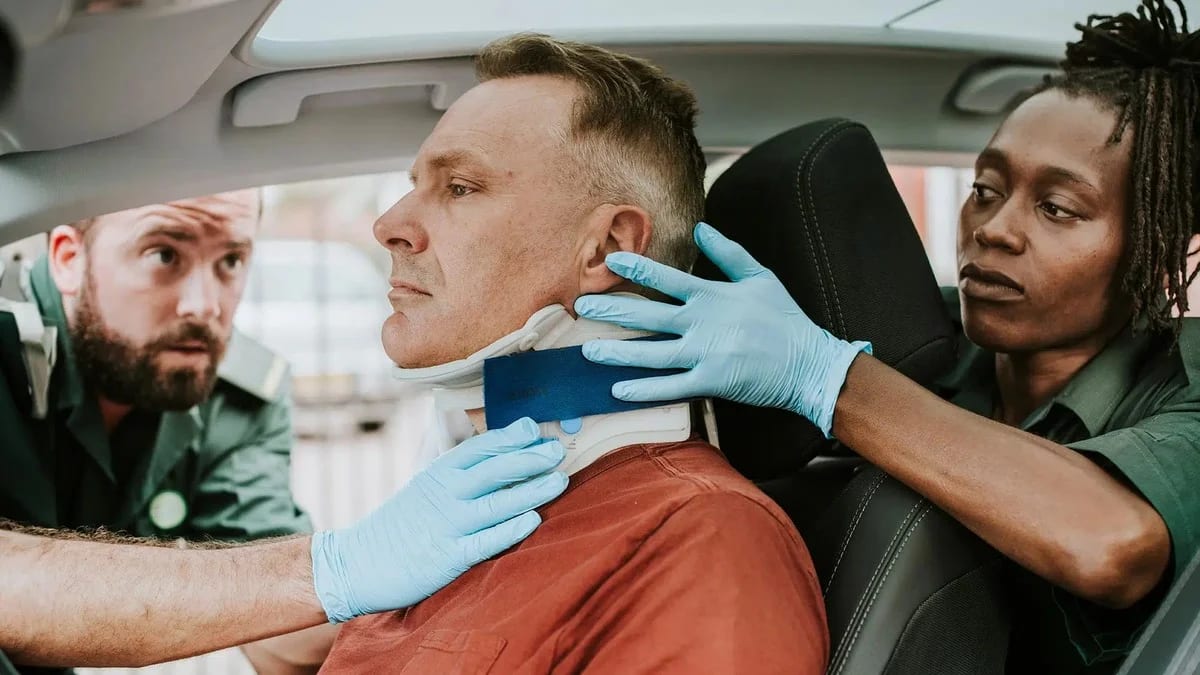
First responders assessing an alert driver after a California vehicle collision
California car accident evidence review

California Car Accident Help for Evidence, Insurance, and Attorney Review

After a California car accident, prioritize safety and medical care, report the collision when required, preserve scene and vehicle evidence, organize treatment and insurance records, and identify any deadline questions. Hurt Advice provides educational guidance and referral intake, not law-firm representation. Hurt Advice is not a law firm, and representation begins only after a written attorney agreement.

Free intake review

Fast intake, evidence organization, and clear attorney-review next steps.

Intake available now

Secure intake request

The form loads when you reach this section so the rest of the page stays fast.

No-cost intake

Start by organizing crash facts, injuries, insurance letters, and deadline questions.

Independent review path

Hurt Advice can route information for possible participating attorney review.

Written agreement required

Representation starts only after a separate written attorney agreement.

Information, not a law firm

Hurt Advice is a legal information and case-routing platform.

Official California source map

Know which crash record answers which question

A police report, DMV filing, insurance letter, medical record, and statewide crash statistic serve different purposes. This reviewed map explains where each official source helps and where its limits begin.

Sources reviewed August 9, 2026. Confirm current agency instructions before relying on a deadline or filing requirement.

Official source

California Department of Motor Vehicles

SR-1 accident reporting

Check current SR-1 filing triggers and submit the separate DMV report when required. The DMV currently directs a filing within 10 days when anyone is injured or killed, or property damage exceeds $1,000.

What it does not prove

An SR-1 is an administrative report. Filing it does not decide fault, injury causation, coverage, or claim value.
Open California Department of Motor Vehicles
Official source

California Highway Patrol

CHP crash report request

A qualifying party of interest can review the CHP request process and use the online Crash Portal or CHP 190 form when CHP prepared the report.

What it does not prove

A CHP report can preserve observations and reported facts, but it is not an automatic final decision about civil liability.

Open California Highway Patrol
Official source

California Department of Insurance

After-accident insurance guide

Review scene steps, claim communications, vehicle-damage questions, repair rights, and the Department of Insurance complaint path.

What it does not prove

The guide is general. The actual policy language, endorsements, exclusions, limits, and facts control a specific coverage question.

Open California Department of Insurance
Official source

California Courts

Personal injury self-help guide

Review the court system’s overview of evidence, possible defendants, venue, damages, deadlines, forms, and situations in which lawyer guidance may matter.

What it does not prove

Court self-help information is not individualized legal advice and does not determine whether a particular claim will succeed.

Open California Courts
Official source

California Department of Transportation

Road safety data resources

Find the state’s crash-data systems, including the SHSP dashboard, California Crash Reporting System, TIMS, traffic counts, and OTS rankings.

What it does not prove

Aggregate or provisional crash data describes roadway patterns. It does not prove what happened in an individual collision.

Open California Department of Transportation
Official source

California Office of Traffic Safety

California traffic safety quick statistics

Check the state’s published traffic-fatality, mileage death rate, impairment, occupant, motorcycle, pedestrian, and bicycle safety context.

What it does not prove

Statewide statistics provide background only and should never be presented as proof of fault, causation, damages, or expected results.

Open California Office of Traffic Safety
Evidence boundary: statewide data can explain risk patterns, but a specific claim still depends on the actual scene, vehicles, people, medical chronology, coverage, and admissible records. Hurt Advice does not use statewide statistics to predict fault or a result.

Car Accident Injuries That Need Careful Documentation

From soft-tissue pain to catastrophic trauma, the strongest claims connect each injury to treatment records, work impact, and the proof an insurer cannot easily dismiss.

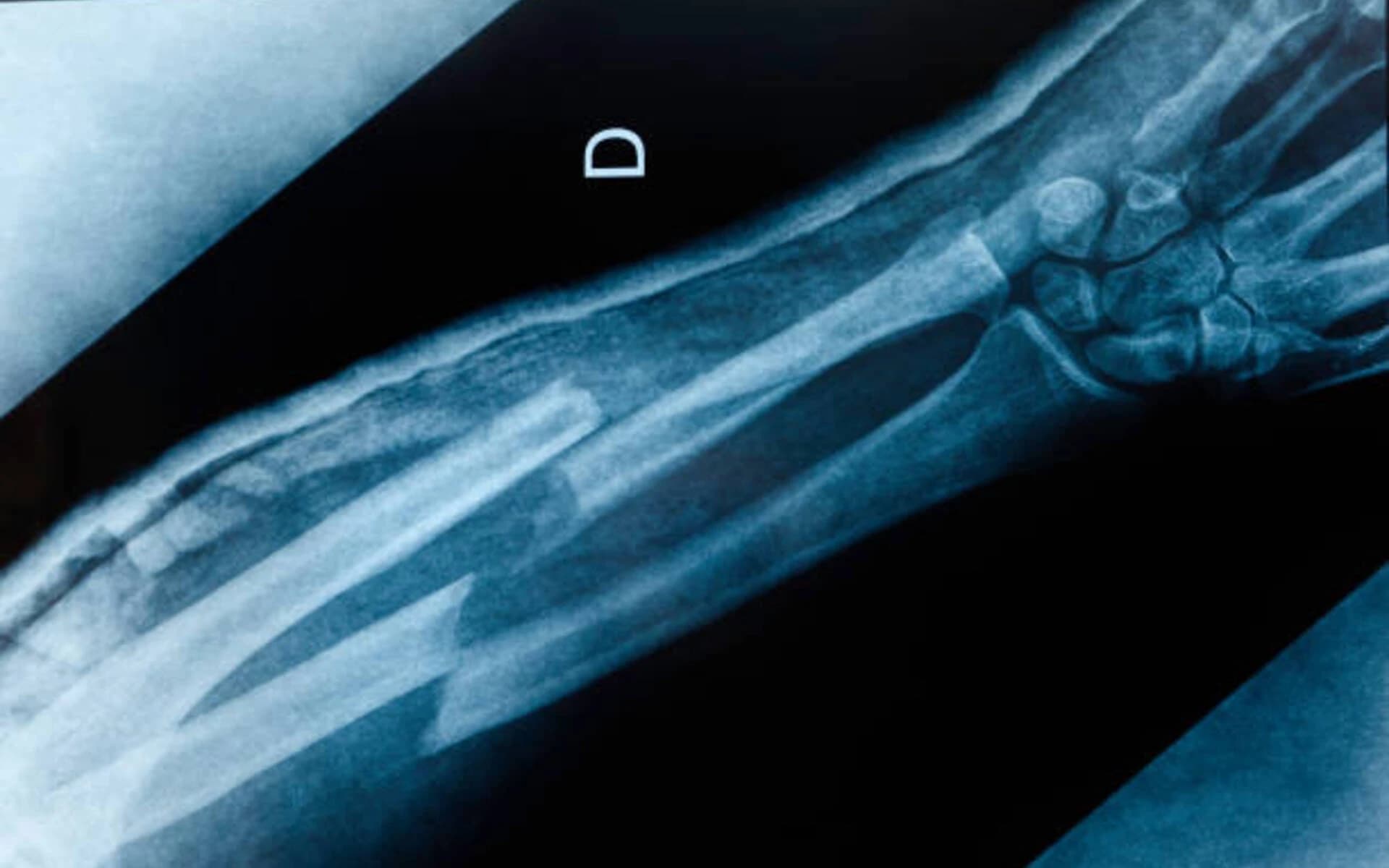
X-ray showing bone fracture from car accident injury

Broken Bones & Fractures

Arms, legs, ribs, pelvis, and facial fractures from collision impact.

Imaging, surgery notes, work limits, and future care needs.
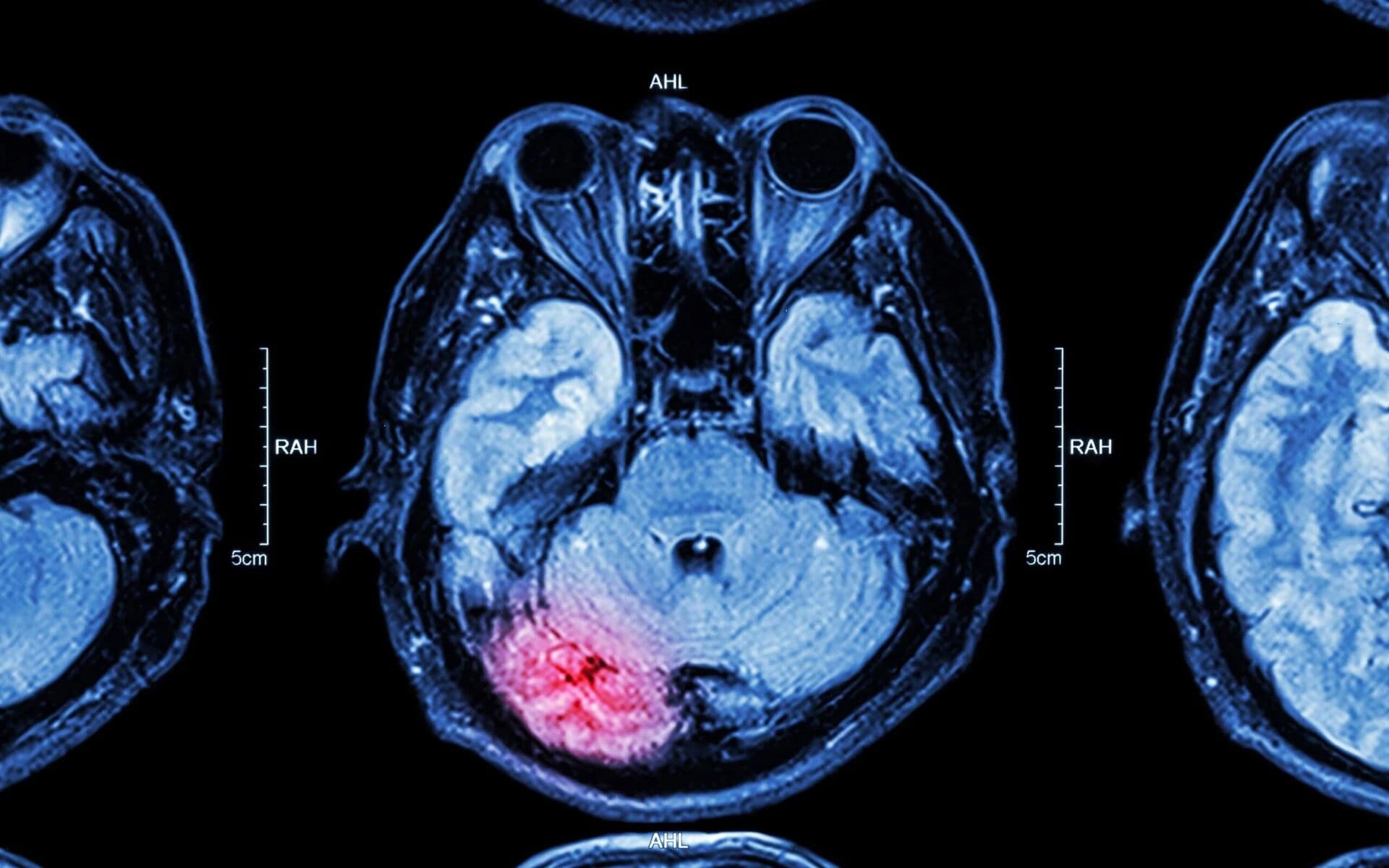
Brain MRI scan for traumatic brain injury diagnosis

Traumatic Brain Injuries

Concussions, contusions, and severe TBI symptoms after head impact.

Neurology records, cognitive changes, imaging, and family observations.
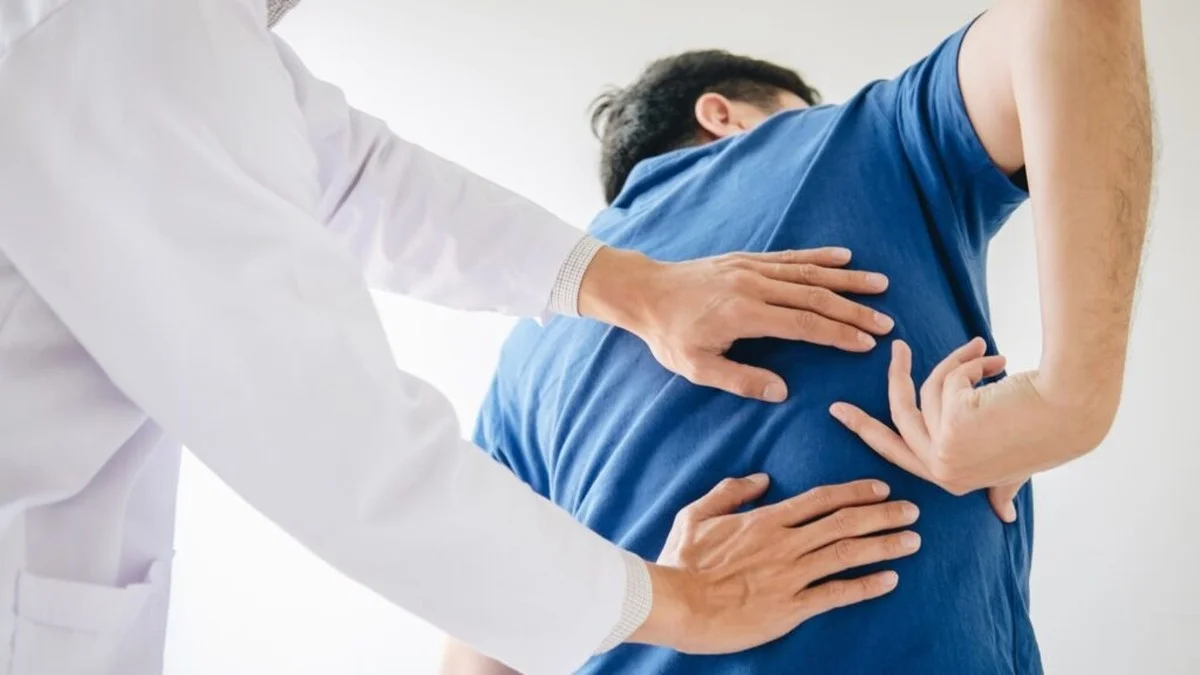
Patient receiving examination for spinal cord injury

Spinal Cord Injuries

Herniated discs, nerve symptoms, paralysis concerns, and chronic back pain.

MRI findings, pain-management plans, work restrictions, and specialist referrals.
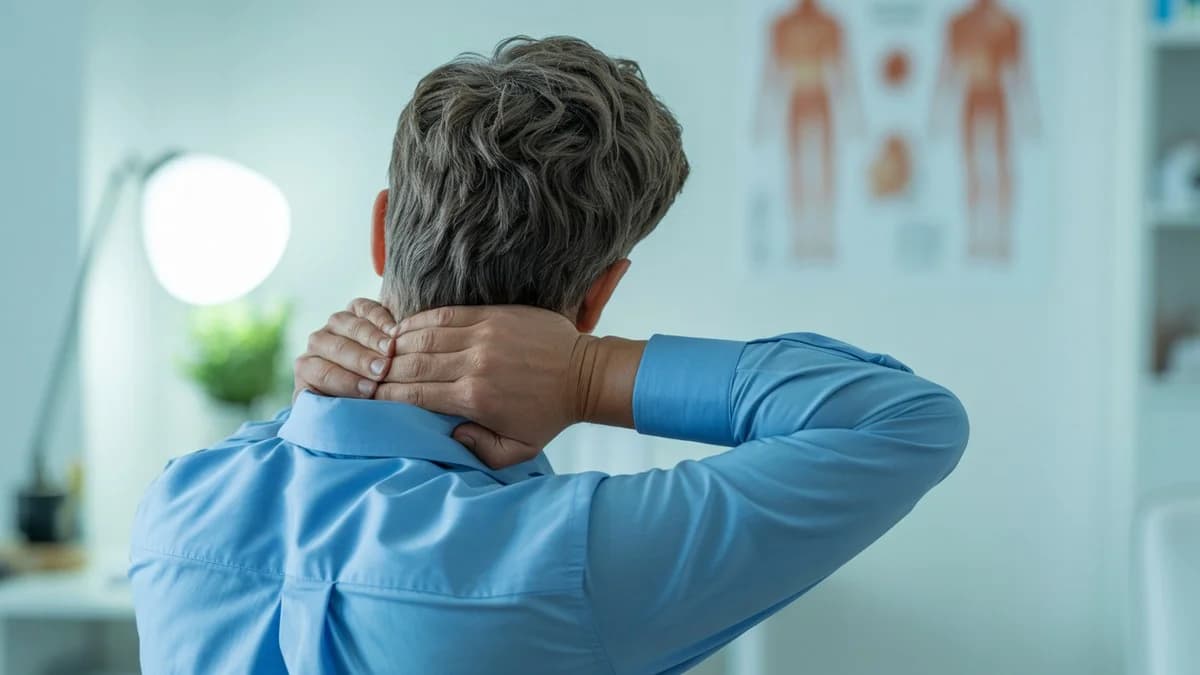
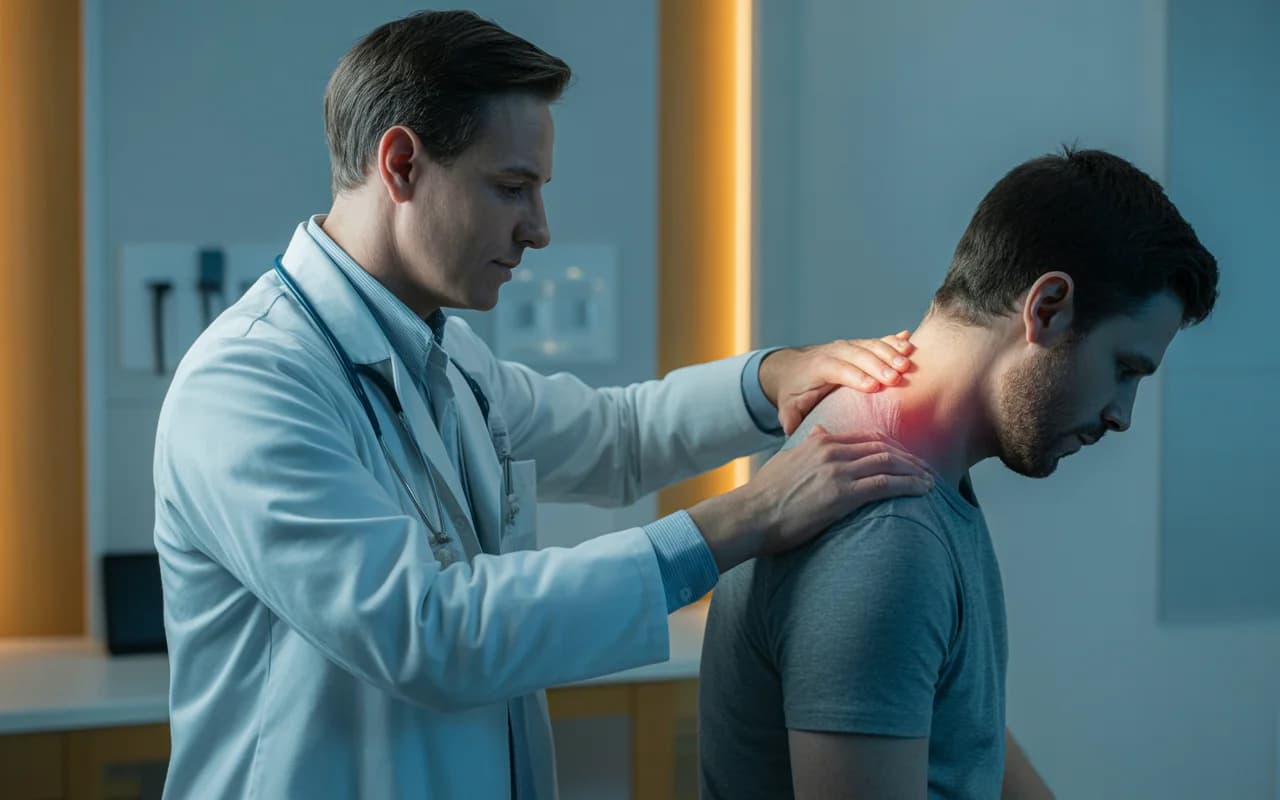
Person experiencing neck pain from whiplash injury

Whiplash & Neck Injuries

Soft tissue damage, cervical strain, headaches, and reduced range of motion.

Early treatment, therapy notes, symptom journals, and activity limitations.
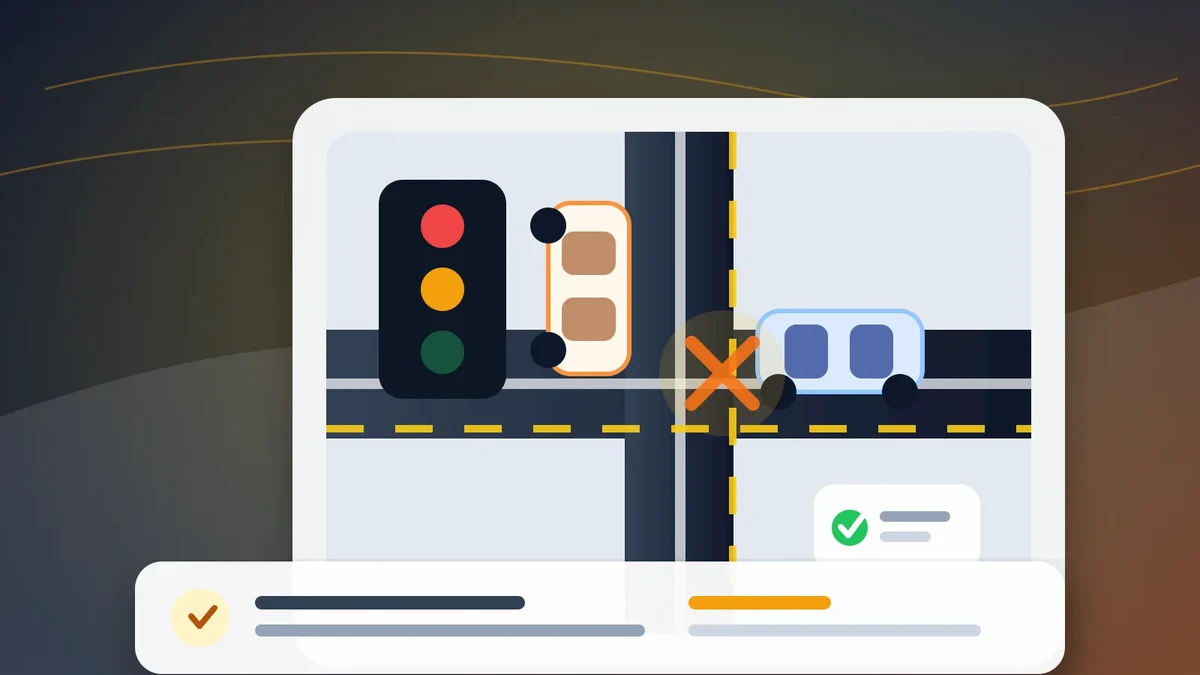
Illustrated evidence workspace organizing roadway context, photographs, records, and a claim timeline

Patient-first action sequence

What to Do After a California Car Accident

Start with health and immediate safety, then preserve the records that explain the scene, reporting, treatment, work impact, insurance questions, and any time-sensitive next step.

01

Protect health and report immediate danger

Move only when it is safe, call 911 for injuries or roadway danger, and seek appropriate medical care. Record the responding agency and incident or report number when one is provided.

02

Record the scene, vehicles, and people

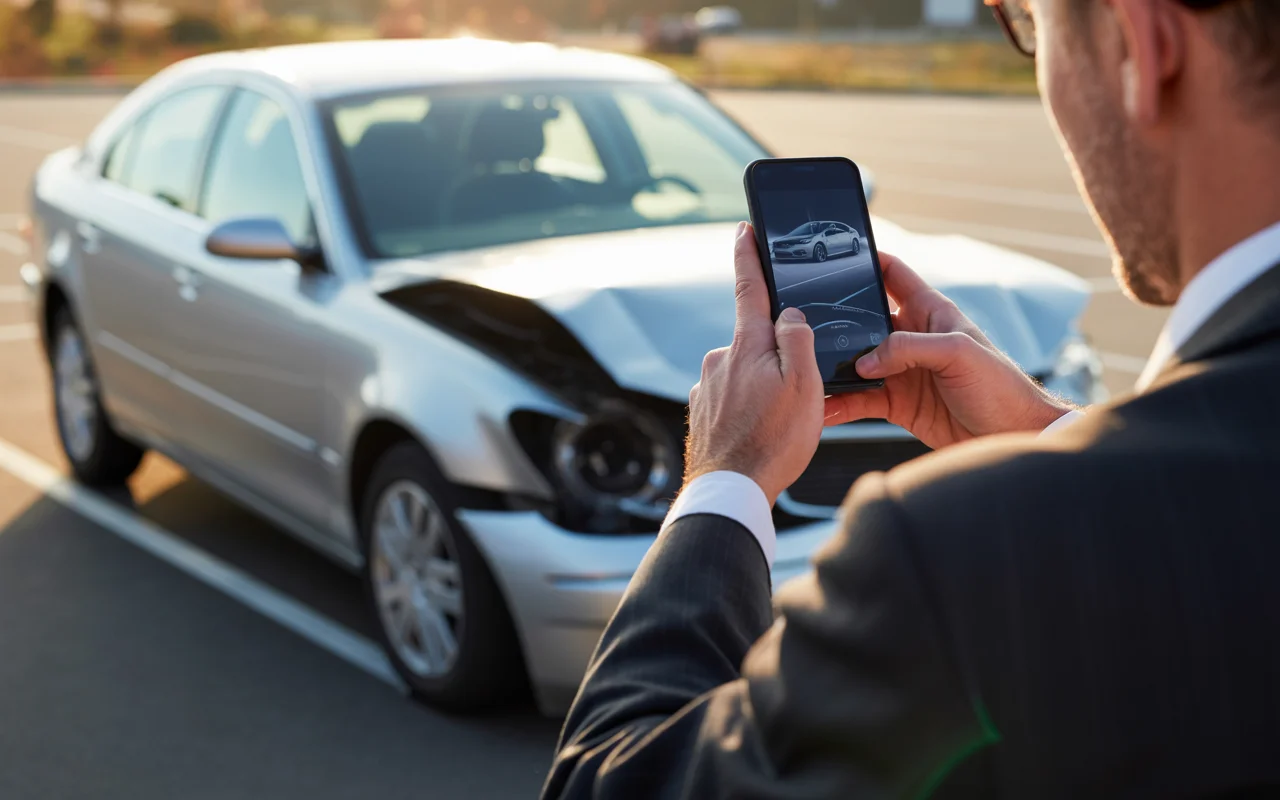
Preserve original photos, video, dashcam files, vehicle positions and damage, traffic controls, roadway conditions, witness contact information, driver details, and nearby camera locations.

03

Complete the reports that apply

Follow the responding agency's report process and check the current DMV SR-1 rules. The DMV presently lists a 10-day filing window when anyone is injured or killed, or property damage exceeds $1,000.

04

Build the medical and work timeline

Organize emergency care, imaging, diagnoses, therapy, specialist referrals, medication, work restrictions, missed income, symptom changes, and future-care questions.

05

Map insurance, ownership, and other parties

Review driver coverage, UM/UIM coverage, vehicle ownership, employer or commercial involvement, rideshare status, public-road conditions, claim correspondence, liens, and policy-limit questions.

06

Check deadlines and request independent review

Flag filing deadlines, public-entity notice questions, recorded-statement requests, repair timelines, and evidence-retention needs. Hurt Advice may route organized information for possible independent attorney review; representation requires a separate written agreement.

Related guidance

Helpful Guides After a Car Accident

Car accident searches often branch into evidence, deadlines, insurance, distracted driving, DUI crashes, brain injuries, damages documentation, and participating attorney profiles.

California local guidance

Start with the city or neighborhood tied to the crash

Local pages are useful when the responding agency, roadway, camera owners, treatment providers, witnesses, or court questions depend on where the collision happened. Begin with Los Angeles or one of the evidence-focused neighborhood routes below, then use the full locations directory when another city is the better fit.

Hurt Advice is a legal information and case-routing service, not a law firm. A participating attorney relationship requires a separate written agreement.

Verified profile connections

Compare source-backed car accident attorney profiles

These connections are limited to licensed California attorneys with a verified Bar number, a canonical Hurt Advice profile, and a focused car accident page. They are provided for comparison and do not imply assignment, availability, ranking, endorsement, or case acceptance.

Review attorney source records
Active CA Attorney #288713Car Accident Attorney

Abraham Chuljyan

Published firm: Ace Law Firm, P.C.

Compare Abraham Chuljyan's verified California Bar record, full profile, published firm sources, and car accident attorney information before requesting a referral.

Active CA Attorney #324132Car Accident Attorney

Nina Garayan

Published firm: Garayan Law Group

Compare Nina Garayan's verified California Bar record, full profile, published firm sources, and car accident attorney information before requesting a referral.

Active CA Attorney #238919Car Accident Attorney

Raffi Naljian

Published firm: Naljian Law Offices, PC

Compare Raffi Naljian's verified California Bar record, full profile, published firm sources, and car accident attorney information before requesting a referral.

Review factors

Evidence That Can Affect Car Accident Review

No page can promise an outcome. What this page can do is show the evidence categories that help a reviewer understand fault, injuries, insurance coverage, and documentation gaps.

Illustrated evidence workspace organizing roadway context, photographs, records, and a claim timeline
Medical proof

Diagnosis, imaging, treatment gaps, future care, and permanent limitations all affect how an insurer or jury understands the injury.

Liability evidence

Crash reports, photos, witness details, traffic-camera footage, vehicle data, and road conditions help show who caused the collision.

Insurance layers

The available policy limits, underinsured coverage, employer involvement, rideshare coverage, or commercial vehicle coverage can change the path.

Economic loss

Lost wages, reduced earning capacity, out-of-pocket costs, and household-help needs should be documented with clean records.

Daily-life impact

Pain, sleep disruption, mobility limits, childcare strain, and missed activities can matter when they are specific and documented.

Timing and preservation

Fast evidence preservation prevents missing footage, repaired vehicle damage, fading skid marks, or unclear witness memories.

Every case is different, and past outcomes never guarantee future outcomes.

Get your case-routing review: (818) 482-2260

What a Car Accident Review Should Organize

Lawyer and client reviewing written attorney fee terms

Written Attorney Terms

If a participating attorney accepts representation, the separate written attorney agreement controls fee and cost terms.

Organized injury claim documents and insurance paperwork

Evidence and Records

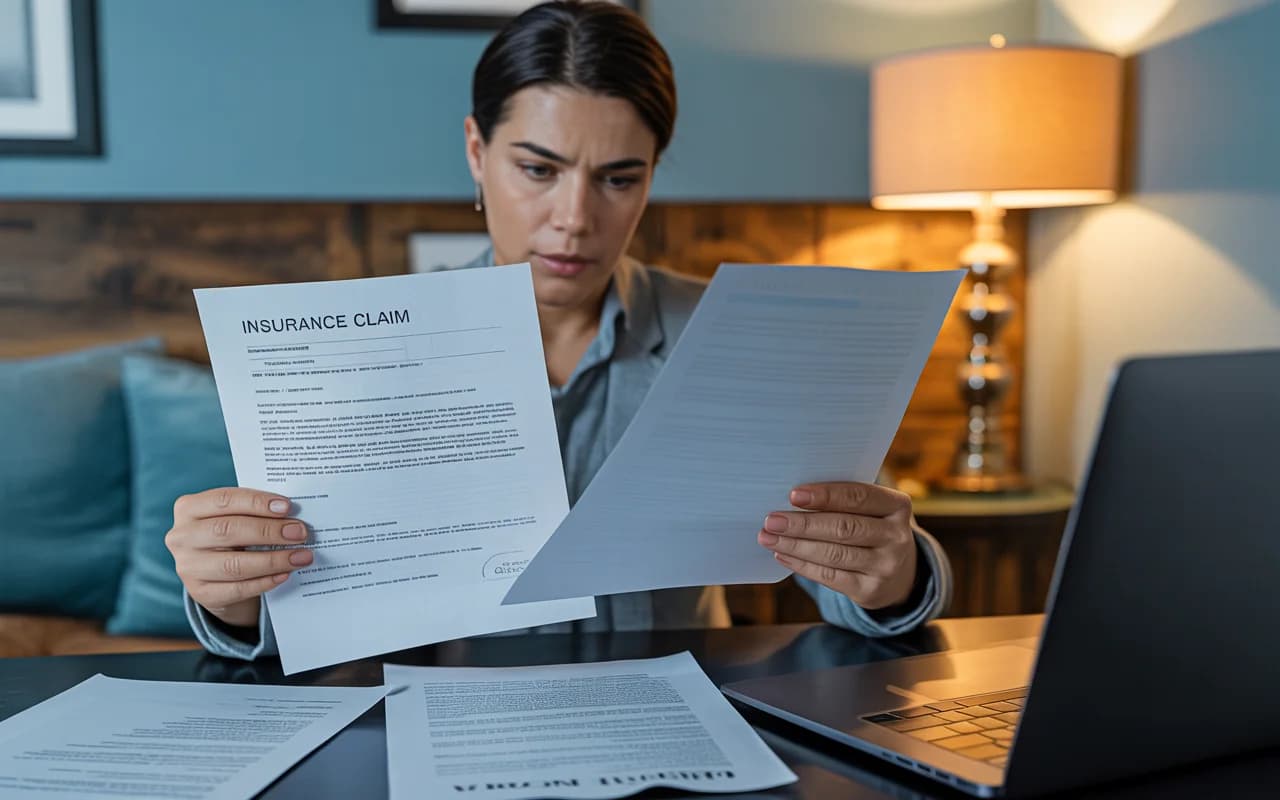
Crash photos, reports, medical documentation, bills, work records, and insurance letters should be organized together.

Legal professionals reviewing a car accident intake file

Independent Attorney Review

Hurt Advice can route complete intake information for possible review by an independent participating attorney or law firm.

Fast Evidence Triage

Video, witness details, vehicle damage, and roadway facts can disappear quickly after a crash.

Medical Timeline Focus

Treatment records, imaging, therapy, work limits, and future-care questions should be connected clearly.

Referral-Service Boundaries

Hurt Advice is not a law firm and does not create an attorney-client relationship through website intake.

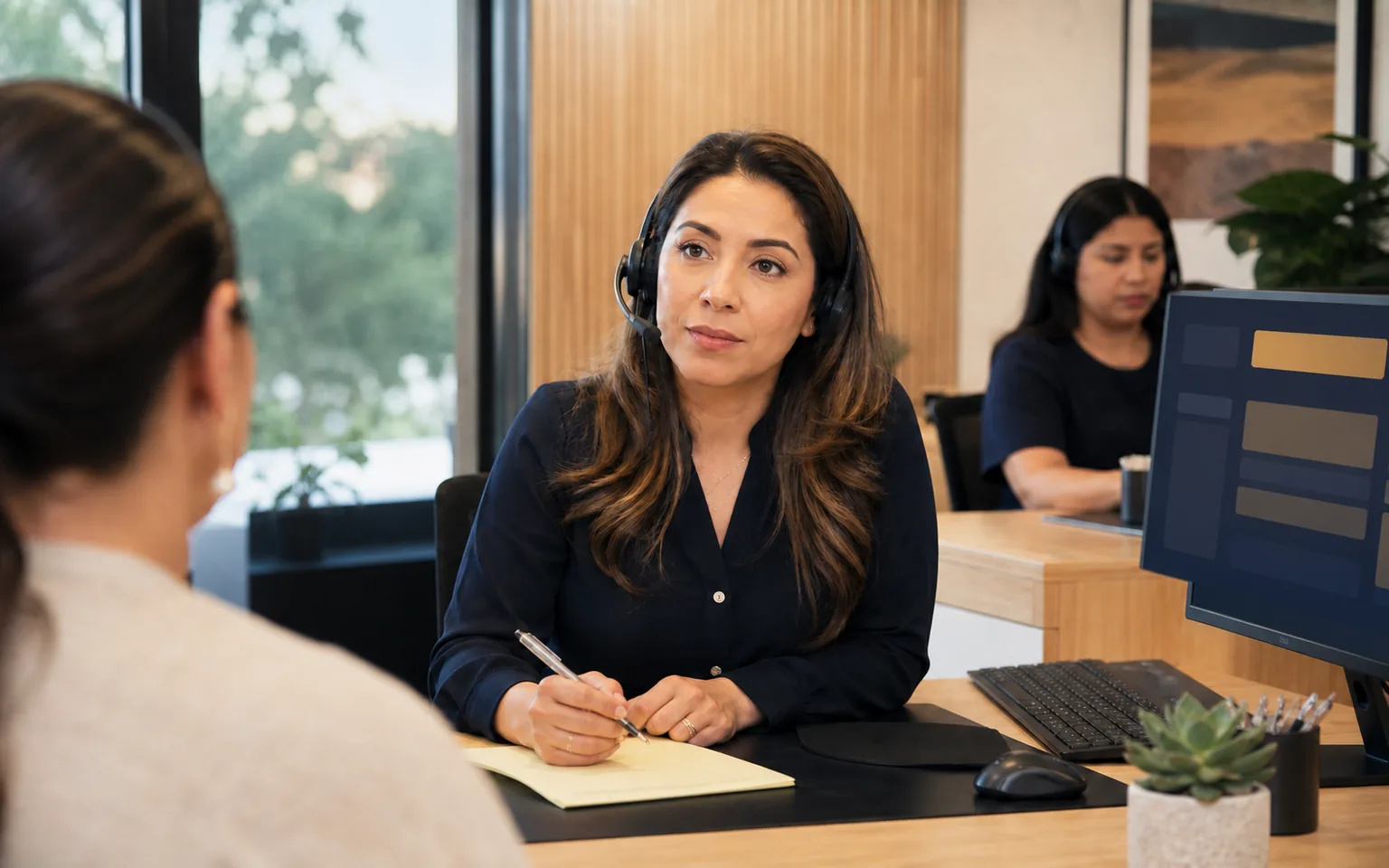
Hurt Advice intake specialist listening to a visitor and organizing an incident timeline in an accessible support office

From questions to next steps

A clearer path from accident facts to case review

Public-source attorney profilesRole, license, and material result claims are linked to visible sources when available.

A clear first call

The intake should identify urgent deadlines, medical care status, insurance contact, and any evidence that may disappear quickly.

Evidence mapped early

Photos, reports, witnesses, treatment records, wage proof, and insurance letters get organized around the exact dispute.

Plain-English next steps

The page gives users a direct path from accident facts to resources, attorney profiles, city pages, and a case-routing review.

Frequently Asked Questions

Get answers to common questions about car accident claims in California.

What should I organize after a California car accident?
Start with the police report number, crash date and location, photos, witness names, insurance letters, medical records, bills, work restrictions, vehicle-damage photos, and any video or dashcam sources. Hurt Advice can help organize this information for possible independent attorney review, but it does not provide legal advice or promise an outcome.
How long does a car accident review take?
Timing depends on injury treatment, medical records, insurance coverage, fault disputes, vehicle damage, and whether evidence needs to be preserved quickly. A simple intake can identify immediate next steps, but case strategy and timing require attorney review.
Do I need a lawyer for a car accident?
You are not legally required to hire a lawyer, but legal help can be important when injuries are serious, fault is disputed, treatment is ongoing, the insurer asks for a recorded statement, or the offer does not reflect the full medical and wage-loss record.
What if I was partially at fault for the accident?
California uses comparative fault principles, so fault allocation can affect the analysis. The facts, police report, photos, witnesses, vehicle damage, and insurance positions should be reviewed before drawing conclusions.
When is a California DMV SR-1 report required?
The California DMV currently directs a driver, insurance representative, or legal representative to submit an SR-1 within 10 days when anyone is injured or killed, or when property damage exceeds $1,000. The SR-1 is separate from reports made to police, CHP, or an insurer. Check the current DMV instructions because reporting rules can change.
How can I request a California Highway Patrol crash report?
The California Highway Patrol allows a qualifying party of interest to request a CHP crash report through its online Crash Portal or with form CHP 190. If a city police department or another agency prepared the report, request it from that agency instead. A report is evidence to review, not an automatic final determination of civil fault.
How do attorney fee terms work?
Many participating attorneys may offer contingency-fee terms, but the written attorney agreement controls the fee, cost, and expense arrangement. Hurt Advice does not set attorney fees and does not create an attorney-client relationship when information is submitted.
Is Hurt Advice a car accident law firm?
No. Hurt Advice is not a law firm. It provides legal information and case-routing intake for possible review by independent participating attorneys or law firms. Representation begins only after a written attorney agreement.

Car Accident Cases Lawyers Throughout California

Independent participating attorneys serve accident victims across California. Find local legal representation in your city, county, or neighborhood.

Cities (60)
Counties (14)
Neighborhoods (20)

Don't see your area? We serve all of California.

Contact Us for a Free Intake Review
Modern California intake and consultation setting for private attorney review after an injury

Need Help Organizing a Car Accident Review?

Start a no-cost intake so crash facts, medical records, insurance letters, and deadline questions can be organized for possible independent attorney review.