Brain Injury and TBI Lawyers for Serious Accident Claims
A California brain injury claim should connect the incident timeline with emergency care, symptom changes, imaging and clinical limits, specialist records, work and daily-life effects, insurance communications, and future-care evidence. Medical questions require qualified clinicians, while legal review organizes proof, coverage, and deadlines.
Medical safety note
This page is legal information, not medical advice. The CDC notes that concussion symptoms can appear right away or hours to days later and identifies specific danger signs for which immediate emergency medical care is appropriate. Qualified clinicians, not this legal-information page, make individual diagnosis and treatment decisions.
Brain Injury Patterns and Records to Review
A safer claim page does not guess a case value from a label. It documents the diagnosis, symptoms, treatment, functional impact, and insurance issues that affect the legal path.
Concussion or Mild TBI
A concussion or mild TBI may affect memory, attention, sleep, light sensitivity, and daily activity, and CDC guidance notes that routine brain scans are not used to identify every mild TBI.
Moderate or Severe TBI
More serious brain injuries may involve hospitalization, specialty care, cognitive changes, rehabilitation, or long-term support needs.
Brain Bleeding or Swelling
Bleeding, swelling, or neurological decline can be a medical emergency; clinical records may later help explain what was evaluated and treated.
Skull or Facial Trauma
Skull fractures and facial trauma can overlap with brain injury symptoms, scarring, nerve symptoms, and future treatment issues.
Symptoms and Changes to Record After Head Trauma
Symptoms vary from person to person and can change during recovery. Accurate records can help clinicians and later legal reviewers understand symptoms, treatment, work limitations, and daily-life changes over time.

What Affects Brain Injury Claim Value?
Settlement value depends on proof, not generic ranges. These are the signals a serious TBI claim usually needs to organize before meaningful negotiation.
Medical documentation
Clinical notes, imaging when ordered, specialist visits, medication records, therapy plans, and follow-up appointments document what providers observed and treated after the incident.
Symptom timeline
A clear timeline helps explain delayed symptoms, treatment gaps, changes in work capacity, and daily-life impact.
Expert review
Depending on the disputed issue, qualified medical, vocational, economic, or life-care professionals may provide relevant opinions; no expert is automatically required.
Insurance coverage
Potential recovery can be affected by actual policy terms, limits, covered parties, responsible parties, and any applicable commercial or umbrella coverage.
Work and income loss
Employer, school, income, functional, and vocational records may help document claimed work or education effects.
Long-term care needs
Future therapy, supervision, adaptive equipment, home support, and family-care impact may become central in severe cases.
Documents That Help Prove a TBI Claim
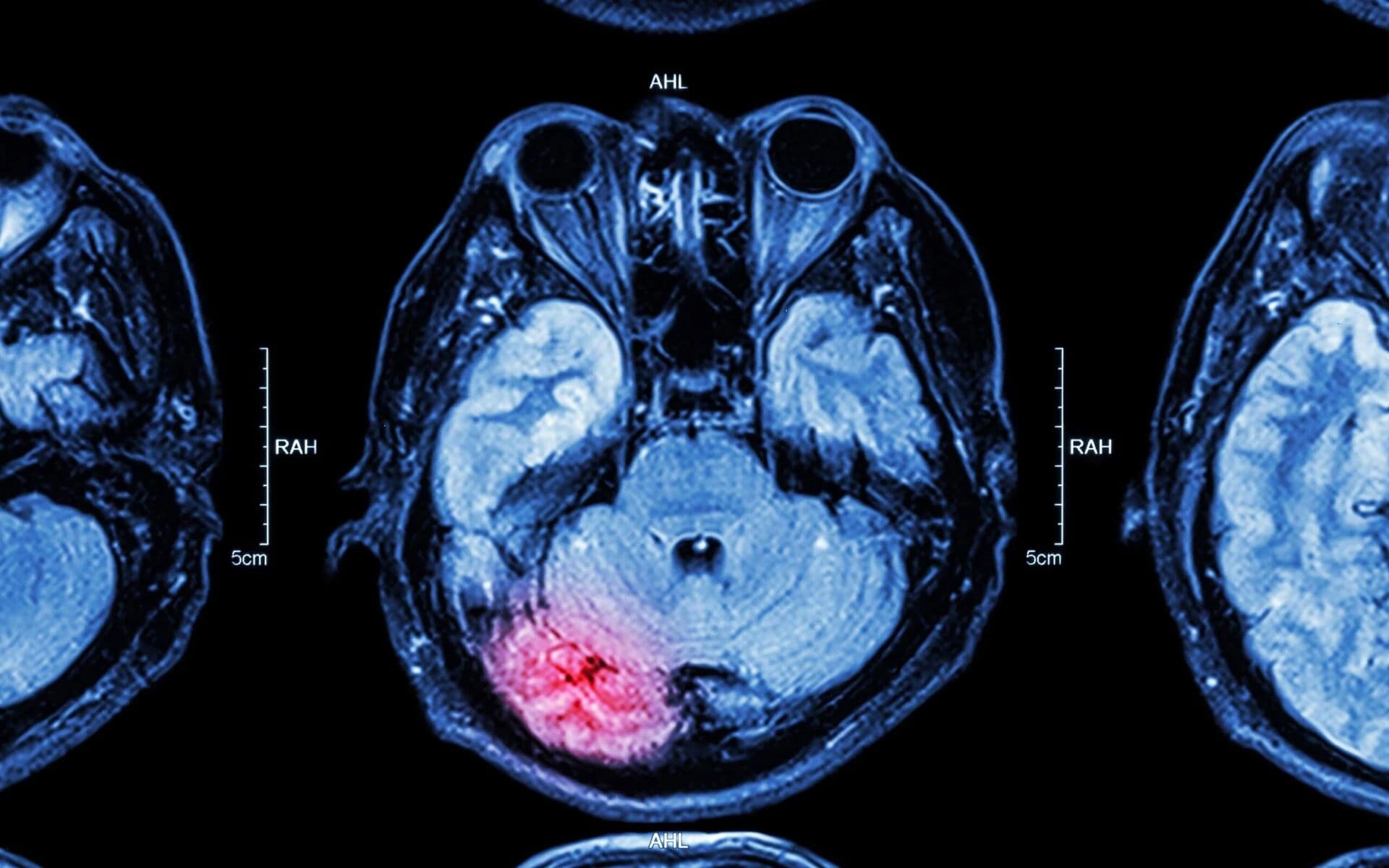
Brain injury symptoms can be invisible to insurers unless the claim file tells a clear story. These records help connect the crash, treatment, and long-term impact.
- Emergency department records and discharge instructions
- Neurology, neuropsychology, and rehabilitation records
- CT, MRI, or other imaging reports when ordered by doctors
- Symptom journal covering headaches, sleep, memory, mood, and work limits
- Witness statements about behavior, confusion, or daily-life changes
- Employer, school, or caregiver documentation showing functional impact
Brain Injury Legal Resources
Detailed guides covering TBI claims, concussion lawsuits, proof issues, and accident-specific brain injury questions.
Brain Injury Help by California City
Local guidance on brain and head injury claims — the evidence that matters most and how to find a brain injury lawyer in your area.
How Hurt Advice Organizes Brain Injury Intake
Hurt Advice can organize the medical timeline, evidence record, insurance questions, and possible long-term issues for potential review by independent counsel without promising an outcome.

Medical Evidence Focus
Hurt Advice can organize records, specialist notes, symptom timelines, and expert-review questions.
Long-Term Impact Review
Future care, work limits, school impact, and family support may become relevant to medical, vocational, and legal review.

Attorney Agreement Questions
Ask any independent attorney about consultation terms, fees, costs, staffing, and next steps before signing an agreement.
Official Medical References
These external sources support the medical safety and public-health context on this legal guide.
CDC TBI Data
Current CDC hospitalization, death, and surveillance context for TBI in the United States.
CDC Signs and Symptoms
Official symptom and danger-sign guidance for mild TBI and concussion.
MedlinePlus TBI Overview
National Library of Medicine overview of traumatic brain injury information and resources.
Explore related injury guides
Move between the main injury topics people compare most often. This helps you understand symptoms, claim strategy, and the best next page to read.
Head trauma claims
Need the Spanish version of this guide?
We keep a Spanish-language version of this injury page available so families can review the same topic in the language that fits them best.
Read in SpanishRelated injury topics
Broad injury overview
Personal Injury Claims
Start here for the wider negligence picture: compensation categories, claim timing, and how injury cases are valued.
Open guideHigh-value trauma strategy
Serious Injury Claims
Understand the playbook for cases involving permanent disability, multiple defendants, future-care costs, and large insurance limits.
Open guideLife-changing injury litigation
Catastrophic Injury Cases
Move from serious injury into the highest-stakes cases involving lifelong impairment, structured settlements, and intensive expert support.
Open guideNeck and soft-tissue injuries
Whiplash Injury Claims
Understand delayed symptoms, treatment timelines, insurance tactics, and how neck injury claims are negotiated.
Open guideRelated Practice Areas
Participating attorneys handle a wide range of personal injury cases. Explore related practice areas below.
Brain Injury Cases Lawyers Throughout California
Independent participating attorneys serve accident victims across California. Find local legal representation in your city, county, or neighborhood.
Cities (60)
Counties (14)
Neighborhoods (20)
Don't see your area? We serve all of California.
Contact Us for a Free Intake ReviewCompare Participating Brain Injury Attorneys
Review source-backed profiles, public credentials, and relevant brain-injury practice context before contacting independent counsel.

Silva Maranjyan, Esq.
Co-Founder & Lead Attorney
Verified relationship: Brain Injury Evidence and Attorney Fit
Verified profile details
California Bar #321803 and Elite Law Group co-founder profile
Fact-checked against the California State Bar, Elite Law Group profile, and independent Lawyer.com, Avvo, and Martindale identity records.
Listed focus: Personal Injury matters.
View ProfileView Brain Injury Evidence and Attorney Fit
Nina Garayan, Esq.
Founder & California Personal Injury and Business Attorney
Verified relationship: Brain Injury Records and Attorney Fit
Verified profile details
California Bar #324132 and Garayan Law Group founder profile
Fact-checked against the California State Bar, Garayan Law Group, Nina's VoyageLA interview, WILBYBETTY, and the Walking With Alex Foundation.
Listed focus: Personal Injury matters.
View ProfileView Brain Injury Records and Attorney FitWhat you can verify before sharing your information
Review the platform role, participating professionals, intake availability, language support, fee context, and public-source standards before you decide what to do next.
Contingency-Fee Options
Participating attorneys may offer contingency-fee terms for qualified injury cases; the written fee agreement controls.
Fast Intake Support
Submit the online intake form at any time. Staff review requests and follow up; phone and text response times vary.
California Injury Focus
Built around accident, injury, and claim questions that need local legal context in California.
Bilingual Intake Support
English and Spanish intake guidance so families can move quickly without losing clarity.
Brain Injury FAQ
How do I prove a brain injury from a car accident?
Medical diagnosis and legal causation are separate questions. A clinician may use history, examination, imaging when indicated, or neuropsychological testing, while a legal review may also consider incident evidence, symptom timing, witness observations, and functional changes. No single record automatically proves causation or damages.
What is the average settlement for a traumatic brain injury?
There is no reliable average that fits every TBI claim. Value depends on injury severity, liability evidence, treatment history, long-term care needs, lost income, available insurance, expert support, and how the injury affects work, family, and daily life.
Can I file a lawsuit if my CT scan was negative but I still have symptoms?
A negative CT scan does not automatically rule out every concussion or mild TBI concern. Qualified clinicians can evaluate persistent or changing symptoms, while a factual timeline can document what changed after the accident. A legal review can organize evidence but cannot answer medical questions.
How long do I have to file a brain injury lawsuit in California?
California Code of Civil Procedure section 335.1 states a two-year period for certain injury actions. Different claims, accrual rules, parties, policy terms, and exceptions can change the analysis, and public-entity claim presentation can be much shorter. The applicable dates require fact-specific confirmation.
What compensation can a TBI claim include?
Potential damage categories may include supported medical expenses, future care, rehabilitation, income loss, reduced earning capacity, noneconomic harm, home support, or assistive devices. Each category requires applicable law and evidence; listing it does not establish entitlement or amount.
Do I need a lawyer for a concussion after an accident?
Independent attorney review may be useful when symptoms persist, responsibility or medical causation is disputed, work is affected, several policies or parties are involved, or a statement or release is requested. The decision depends on the facts, likely work, and written fee terms; representation does not guarantee a result.
Request No-Cost Brain Injury Intake Routing
Hurt Advice can organize medical records, photos, witness details, work impact, and insurance questions for possible review by independent counsel. Intake is not legal advice and does not guarantee attorney review, acceptance, or representation.
case-routing review
Secure intake request
Send your name and one way to reach you now. Case details are optional.