Liability proof
Police reports, incident reports, photos, video, witness names, hazard history, and fault disputes.
Injured through someone else's negligence? Hurt Advice helps organize incident details, medical records, insurance questions, damages documentation, and deadline issues for possible independent attorney review. Hurt Advice is not a law firm, and representation begins only after a written attorney agreement.
Evidence
Proof organized
Medical
Records reviewed
Coverage
Insurance mapped
Terms
Written agreement

Different injury matters need different evidence. Hurt Advice helps organize the intake path and routes requests for independent attorney review where appropriate.
Whiplash, broken bones, spinal injuries, and traumatic brain injuries from vehicle collisions.
18-wheeler and commercial truck accidents often result in catastrophic injuries with multiple liable parties.
Severe road rash, fractures, and head injuries requiring extensive medical treatment.
Vulnerable road users struck by vehicles often suffer life-changing injuries.
Property owner negligence leading to broken bones, head injuries, and spinal damage.
Surgical errors, misdiagnosis, medication mistakes, and birth injuries from healthcare negligence.
From soft tissue injuries to catastrophic trauma, a useful intake file connects symptoms, diagnosis, treatment, work impact, future care, and accident evidence.
Traumatic brain injuries (TBI), concussions, and skull fractures requiring long-term care.
Herniated discs, paralysis, and chronic back pain affecting mobility and quality of life.
Compound fractures, multiple breaks, and orthopedic injuries requiring surgery.
First through third-degree burns causing permanent scarring and disfigurement.
Neck and back strain, muscle tears, and ligament damage from sudden impact.
Chronic pain, numbness, and loss of function from damaged nerves.
Hurt Advice is not a law firm. It helps injured Californians understand claim factors, compare independent attorney profiles, and request intake routing. Here's what the platform helps surface:
Participating attorneys may offer contingency-fee terms, but attorney fees and case costs are controlled by the written attorney agreement.
Hurt Advice organizes injury details quickly so the request can be routed for appropriate independent attorney review.
A participating attorney can evaluate treatment, liability, coverage, wage loss, and future-care documentation after reviewing the facts.
Injury questions often happen after hours, so the intake pathway is available around the clock.

Records
Evidence-first review
These factors help visitors understand what usually matters before an independent attorney can assess a personal injury matter.
Liability proof
Police reports, incident reports, photos, video, witness names, hazard history, and fault disputes.
Medical documentation
Emergency care, imaging, diagnoses, specialist visits, therapy, surgery, medications, and treatment chronology.
Damages documentation
Medical bills, wage loss, future care, out-of-pocket costs, daily limits, pain, activity loss, and family impact.
Insurance and coverage
Auto policies, commercial coverage, premises coverage, medical payments, liens, UM/UIM, and policy-limit issues.
Deadlines and notice
Statutes of limitation, public-entity claim deadlines, malpractice notice rules, and preservation letters.
Attorney-review fit
Case type, injury severity, available evidence, location, attorney focus, written terms, and conflict checks.
This workflow explains in plain language the intake path. Attorney strategy begins only after a written agreement with an attorney.
Call or submit the online intake form with the injury date, location, accident type, treatment status, and insurance information.
Collect reports, photos, video sources, witness names, medical records, bills, work notes, and insurance letters before they become hard to find.
Organize medical expenses, lost income, future care questions, daily limits, pain, activity changes, and out-of-pocket costs.
Identify responsible parties, available insurance, public-entity issues, lien questions, and filing deadlines that may affect attorney review.
Hurt Advice can package the intake information for possible review by independent participating attorneys who handle the relevant injury type.
Hurt Advice is not a law firm. Representation begins only if the person and an attorney sign a separate written attorney agreement.
Next-click research
Use the related guides below to compare collision type, serious-injury documentation, damages, evidence preservation, fee terms, and participating attorney profiles.
Review collision evidence, police reports, insurance issues, injuries, and accident-specific next steps.
Open guideReview commercial crash evidence, serious injury records, employer responsibility, and insurance layers.
Open guideOrganize concussion symptoms, TBI records, imaging, neurologic follow-up, and daily-function changes.
Open guideConnect fracture injuries to imaging, orthopedic treatment, surgery, complications, and accident evidence.
Open guideUse a practical checklist for photos, reports, video sources, witnesses, medical records, and insurance documents.
Open guideUnderstand how medical bills, future care, missed work, pain, activity limits, and out-of-pocket costs are organized.
Open guideLearn how written attorney fee agreements and contingency-fee terms are usually reviewed.
Open guideCompare participating legal profiles and remember representation requires a separate written agreement.
Open guideEducational guides about injury evidence, medical documentation, insurance issues, damages, deadlines, and attorney-review decisions.
Check Sam Ryan Heidari’s California and Nevada attorney records, see what his firm biography and awards verify, and use a practical source checklist.
Read MoreRequest a California small claims postponement after injury: SC-150, service, filing, supporting papers, fees and confirmation of the court's decision.
Read MoreApply for a temporary California disabled parking placard: medical certification, REG 195, identity proof, fees, expiration, and permitted use.
Read MorePrepare a California civil fee-waiver request after injury income loss: financial eligibility, FW-001, court decisions, deadlines, and later repayment.
Read MoreRequest California court disability accommodations after an injury: MC-410, confidential delivery, timing, practical access needs, and court responses.
Read MoreOrganize California dental-trauma charts, radiographs, photographs, procedures, lab work, bills, and versions with a source-backed checklist.
Read MoreOrganize California eye-exam records by visit, eye laterality, test source, image or report version, request status, and daily function.
Read MoreRequest and reconcile California ambulance patient-care reports, ePCR attachments, dispatch times, treatment, transport, handoff, and amendments.
Read MorePreserve tool identity, guard, blade or wheel, workpiece, setup, power, recall, inspection, repair, training, and custody records after an incident.
Read MorePreserve air fryer identity, recall, purchase, repair, scene, energy-state, condition, custody, CPSC, and insurer records after a fire or burn.
Read MoreOrganize appointment confirmations, cancellations, reschedules, check-ins, referral, authorization, transportation, and treatment records after an injury.
Read MoreOrganize non-emergency medical transportation authorizations, dispatch records, trip times, attendance proof, bills, and receipts after an injury.
Read MoreAnswers to common questions about personal injury evidence, damages documentation, deadlines, and attorney-review options.
A personal injury review usually starts with liability proof, medical records, treatment timeline, insurance coverage, damages documentation, deadline issues, and the injured person’s goals. Hurt Advice helps organize intake information for possible independent attorney review, but it does not provide legal advice or guarantee a result.
Timing depends on the injury, treatment course, liability disputes, insurance layers, medical recovery, and whether litigation becomes necessary. A participating attorney can explain timing after reviewing the facts and the medical documentation.
Contingency-fee terms may be available means attorney fees may be deferred under a written fee agreement. The written attorney agreement controls attorney fees and case costs. Hurt Advice is not a law firm and does not set attorney fee terms.
Deadlines vary by state and case type. Claims involving public entities, medical malpractice, minors, delayed discovery, or workplace facts may have special timing rules. Intake review should organize the injury date, location, responsible parties, and any government or medical-provider involvement.
Initial insurance offers may not account for the full medical timeline, future care, wage loss, or long-term disruption. Participating attorneys may review negotiations, documentation, and coverage before a claimant signs a release or gives a recorded statement.
Common categories include medical bills, future treatment, lost income, reduced earning ability, property damage, out-of-pocket costs, pain, activity limits, emotional distress, scarring, disability, and family-life impact. Which categories apply depends on the facts and legal review.
A lawyer is not legally required for every claim, but attorney review can be important when injuries are serious, fault is disputed, treatment is ongoing, deadlines are close, insurance coverage is unclear, or the insurer requests a release or recorded statement.
Seek medical attention, report the incident, take photos, collect witness information, preserve video sources, keep insurance letters, save receipts, and track symptoms. Avoid signing releases or giving detailed recorded statements before understanding the medical and legal issues.
Move between the main injury topics people compare most often. This helps you understand symptoms, claim strategy, and the best next page to read.
Broad injury overview
We keep a Spanish-language version of this injury page available so families can review the same topic in the language that fits them best.
Read in SpanishHigh-value trauma strategy
Understand the playbook for cases involving permanent disability, multiple defendants, future-care costs, and large insurance limits.
Open guideHead trauma claims
Learn how concussion, TBI, and cognitive-symptom claims are documented, valued, and supported with expert medical evidence.
Open guideOn-the-job injury strategy
Review workers compensation, third-party claims, retaliation issues, and how job-site injuries are built into full recovery cases.
Open guideLife-changing injury litigation
Move from serious injury into the highest-stakes cases involving lifelong impairment, structured settlements, and intensive expert support.
Open guideShare the basic facts of the injury, treatment, and insurance situation. Hurt Advice can route the request for independent attorney review where appropriate; submitting information does not create an attorney-client relationship.
16101 Ventura Blvd, Suite 334, Encino, CA 91436
Appointments require confirmation by independent participating counsel.
Secure intake request
Send your name and one way to reach you now. Case details are optional.
Participating attorneys handle a wide range of personal injury cases. Explore related practice areas below.
Independent participating attorneys serve accident victims across California. Find local legal representation in your city, county, or neighborhood.
Don't see your area? We serve all of California.
Contact Us for a Free Intake ReviewCompare independent personal injury attorney profiles, practice focus, and public trust signals across California
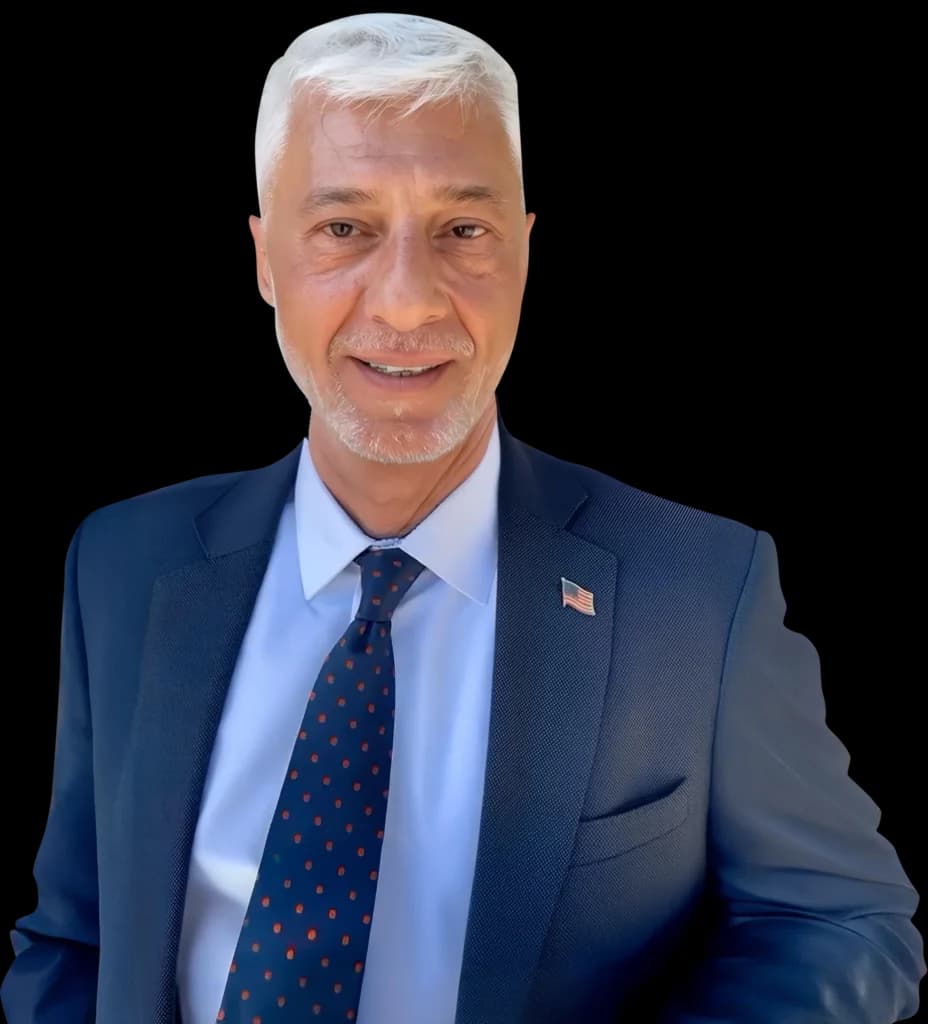
Beverly Hills Personal Injury Attorney
Verified relationship: Injury consultation evidence checklist
Verified profile details
California Bar #140199, Active when checked October 4, 2026
Public identity, education, office, and practice claims checked October 4, 2026 against the California Bar, the attorney’s official site, and Justia.
Listed focus: Personal Injury and Car Accidents matters.
View ProfileView Injury consultation evidence checklist
Co-Founder & Lead Attorney
Verified relationship: Personal Injury Attorney
Verified profile details
California Bar #321803 and Elite Law Group co-founder profile
Fact-checked against the California State Bar, Elite Law Group profile, and independent Lawyer.com, Avvo, and Martindale identity records.
Listed focus: Personal Injury matters.
View ProfileView Personal Injury Attorney
Founder & California Personal Injury and Business Attorney
Verified relationship: Personal Injury Attorney
Verified profile details
California Bar #324132 and Garayan Law Group founder profile
Fact-checked against the California State Bar, Garayan Law Group, Nina's VoyageLA interview, WILBYBETTY, and the Walking With Alex Foundation.
Listed focus: Personal Injury matters.
View ProfileView Personal Injury Attorney
Co-Founder & Lead Attorney
Verified relationship: Personal Injury Attorney
Verified profile details
California Bar #337142 and Elite Law Group co-founder profile
Fact-checked against the California State Bar, Elite Law Group website and dedicated firm social profile post, and independent Avvo and Lawyer.com identity records.
Listed focus: Personal Injury matters.
View ProfileView Personal Injury AttorneyHurt Advice can help route your injury details for independent attorney review. Call now for a no-cost intake review.
Call (818) 482-2260 Now