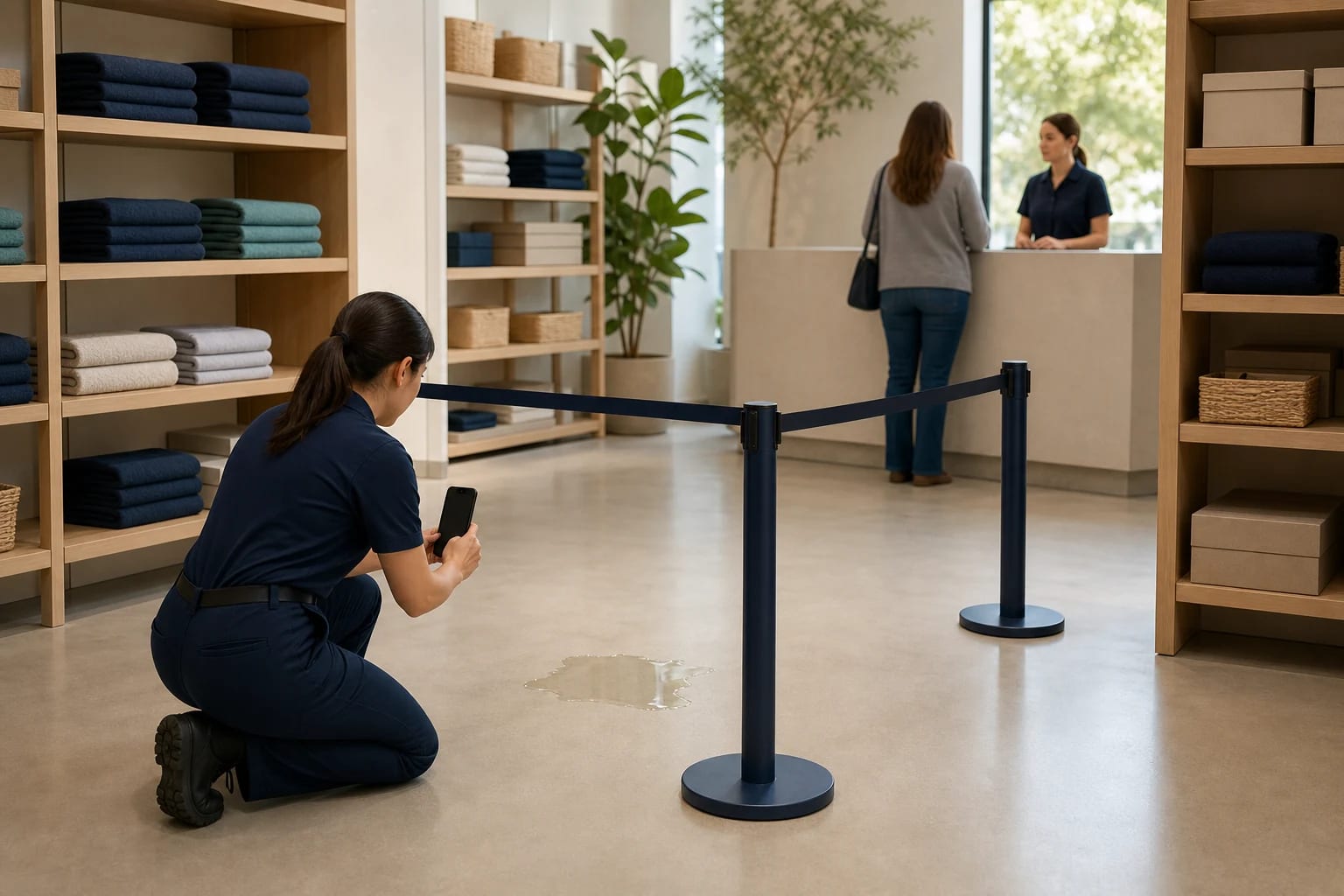
A calm written follow-up can clarify whether the matter is still inside the store or has reached a carrier. Keep it factual and tailor it to what you know:
“I am following up about the slip-and-fall I reported at [store and exact location] on [date and approximate time]. Please confirm the incident reference number and whether the matter has been sent to risk management, an insurer, or a claims administrator. If a claim is open, please provide the organization, claim number, assigned contact, and secure method for sending requested information. I am not asking you to admit fault in this message. Please preserve records reasonably related to the reported event and confirm the correct recipient for any formal request.”
Your response log can use six columns: date, sender or recipient, organization, channel, request or answer, and next due date. Attach the exact message or document rather than paraphrasing from memory. If the adjuster requests a broad medical authorization, recorded statement, release, or sensitive data, you may ask about scope and purpose and consider legal advice before signing.
A carrier’s silence, delay, or request for more information does not prove bad faith, liability, or a right to damages. Use the regulation’s actual trigger and exceptions, preserve the communication, and consider the California Department of Insurance’s Fair Claims Settlement Practices Regulations index if you need the current section list.