Topic archive

Catastrophic legal articles

Source-supported catastrophic articles, legal explainers, and practical guidance with transparent editorial or attorney attribution from Hurt Advice.

Articles in archive

1

Authors in this lane

1

Archive evidence map

What this catastrophic collection can answer

This archive is built from the actual questions, entities, and named contributors in the articles below. Use it to compare published explanations; verify time-sensitive details in each article's source trail; and move to the practice hub, a canonical attorney profile, or intake only when that next step matches your facts.

Boundary: an archive groups educational content. It does not establish fault, diagnose an injury, predict value, create representation, or prove that a named contributor reviewed every article version.

Primary question

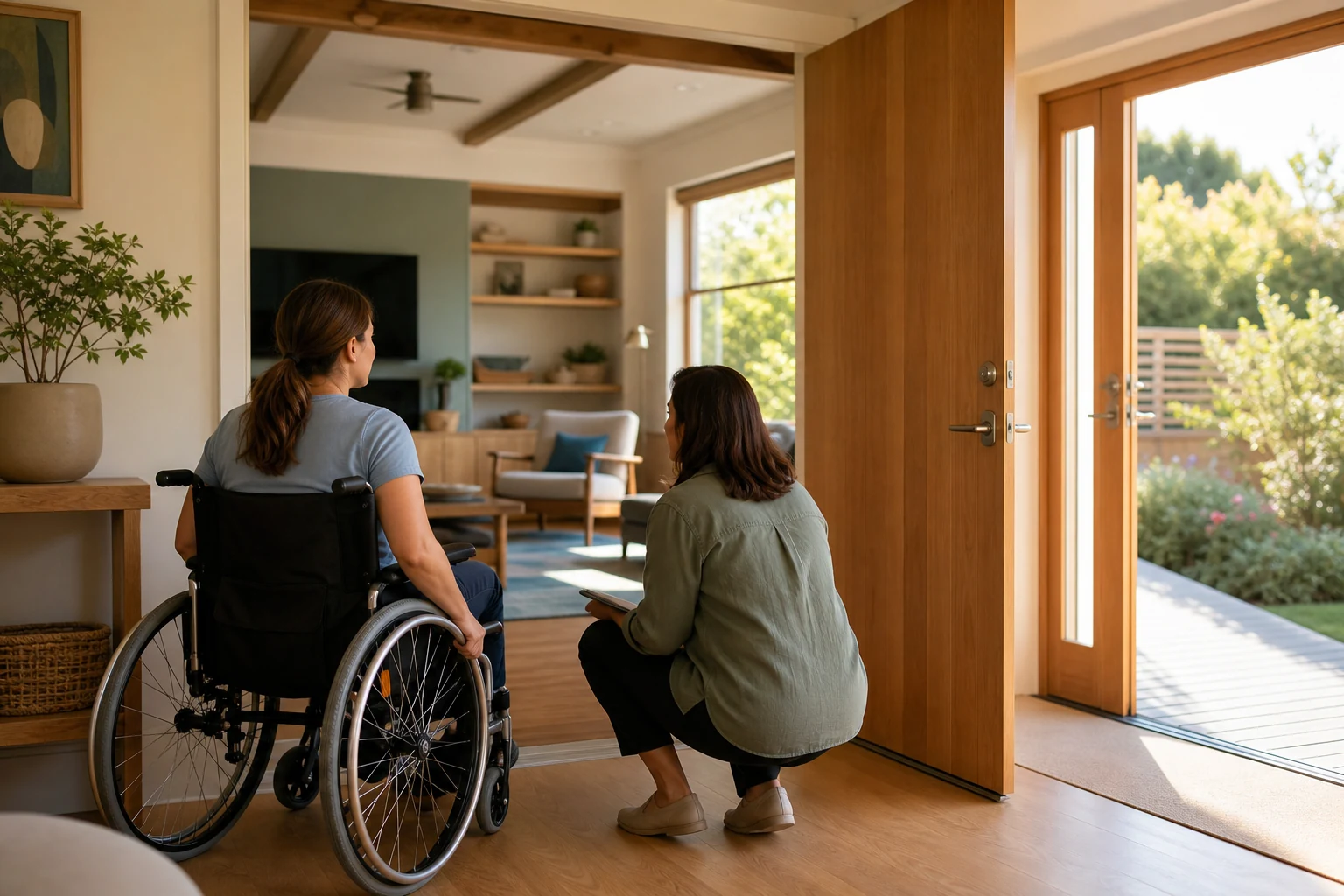
Home Accessibility After a Catastrophic Injury: A California Planning Guide

After a catastrophic injury, plan home changes around the person’s documented daily activities, safe movement, likely recovery path, and actual building conditions. Separate urgent temporary fixes from permanent construction, have qualified professionals define one written scope, compare like-for-like bids, and keep medical need, project cost, funding, and any legal claim as distinct questions.

Contributor: Hurt Advice Editorial Team | Topics: Catastrophic Injury, Home Accessibility, Future Care Planning

Review article and sources

A source-aware route through this archive

Begin with “Home Accessibility After a Catastrophic Injury: A California Planning Guide” because it is the current lead article for this collection, then compare its stated question, publication date, contributor, and source trail with the other entries rather than treating the archive title as the answer. This is currently a focused collection, so the lead article carries most of the explanatory work.

The declared topics for the lead article include Catastrophic Injury, Home Accessibility, Future Care Planning, Adaptive Housing. Those labels help with navigation, but the article's visible citations and facts control. If a rule, statistic, credential, result, or agency instruction is time-sensitive, follow the original source and check the article's modified date before relying on the summary.

After reading, move to the catastrophic practice hub for claim-specific evidence, the resource center for checklists and timing, the location directory for California context, or a canonical attorney profile for public license and firm signals. That sequence keeps educational research separate from diagnosis, case valuation, assignment, and representation.
Verification notes for this catastrophic archive

These notes are generated from the current articles in this archive, not from a generic category template. They identify what to verify before treating an article summary as current or complete.

  1. 1.Lead article: “Home Accessibility After a Catastrophic Injury: A California Planning Guide” frames its answer as follows: After a catastrophic injury, plan home changes around the person’s documented daily activities, safe movement, likely recovery path, and actual building conditions. Separate urgent temporary fixes from permanent construction, have qualified professionals define one written scope, compare like-for-like bids, and keep medical need, project cost, funding, and any legal claim as distinct questions.
  2. 2.For “Home Accessibility After a Catastrophic Injury: A California Planning Guide,” verify claims against the article's visible source trail and modified date; its declared topics are Catastrophic Injury, Home Accessibility, Future Care Planning, Adaptive Housing.
  3. 3.Hurt Advice Editorial Team is the named contributor for “Home Accessibility After a Catastrophic Injury: A California Planning Guide.” Use the contributor link and canonical profile to distinguish authorship, public credentials, and firm signals from Hurt Advice's separate platform role.
  4. 4.Catastrophic is an editorial grouping described as: Source-supported catastrophic articles, legal explainers, and practical guidance with transparent editorial or attorney attribution from Hurt Advice. That description helps route research but does not substitute for the evidence and limitations stated inside each article.
  5. 5.The catastrophic practice hub explains the broader legal topic, while this archive preserves article-level questions, dates, authors, and citations. Compare both surfaces when the answer depends on current law or a source that may change.
  6. 6.California city pages add roads, hospitals, courts, and local record custodians to this topic. Use that local layer only after confirming the incident location and never infer fault or case value from a citywide statistic.

Start with the question that matches your situation

Use this archive to compare the biggest questions people ask in the catastrophic lane, then move into the practice hub or a named attorney archive when you want a more specific next step.

Archive next steps

Keep this topic connected to the rest of the site.

Topic archives work best when they route readers into the right legal lane, the right support material, and the right local surface before the next decision point.

Archive architecture

Keep the catastrophic archive connected to the rest of the site.

A strong topic archive should help people move from articles into the right practice hub, the right support resources, and the right attorney or local surface without losing the thread.