Archive evidence map
What this medical malpractice collection can answer
This archive is built from the actual questions, entities, and named contributors in the articles below. Use it to compare published explanations; verify time-sensitive details in each article's source trail; and move to the practice hub, a verified attorney profile, or intake only when that next step matches your facts.
Boundary: an archive groups educational content. It does not establish fault, diagnose an injury, predict value, create representation, or prove that a named contributor reviewed every article version.
Primary question
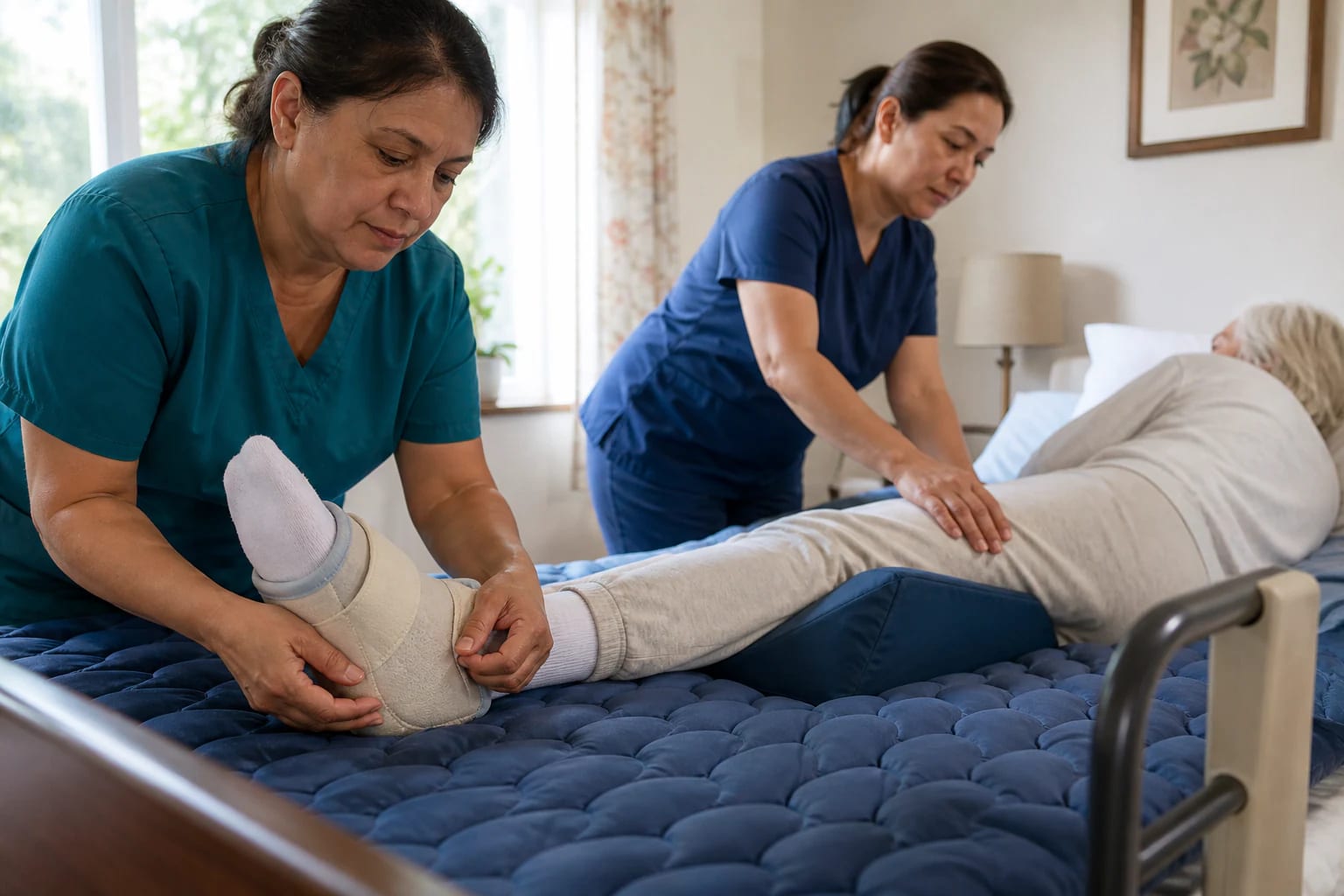
California Nursing-Home Pressure Ulcer Timeline: What to Compare
To rebuild a California nursing-home pressure-ulcer timeline, compare the baseline skin and risk assessments, every care-plan version, individualized repositioning and offloading instructions, daily implementation records, wound observations, treatment orders, notifications, and later changes. Keep the wound site and measurement method consistent, and treat gaps or conflicts as questions—not automatic proof that the injury was avoidable or that anyone was negligent.
Contributor: Hurt Advice Editorial Team | Topics: nursing home pressure ulcer timeline, bed sore records, repositioning documentation
Review article and sourcesEvidence follow-up
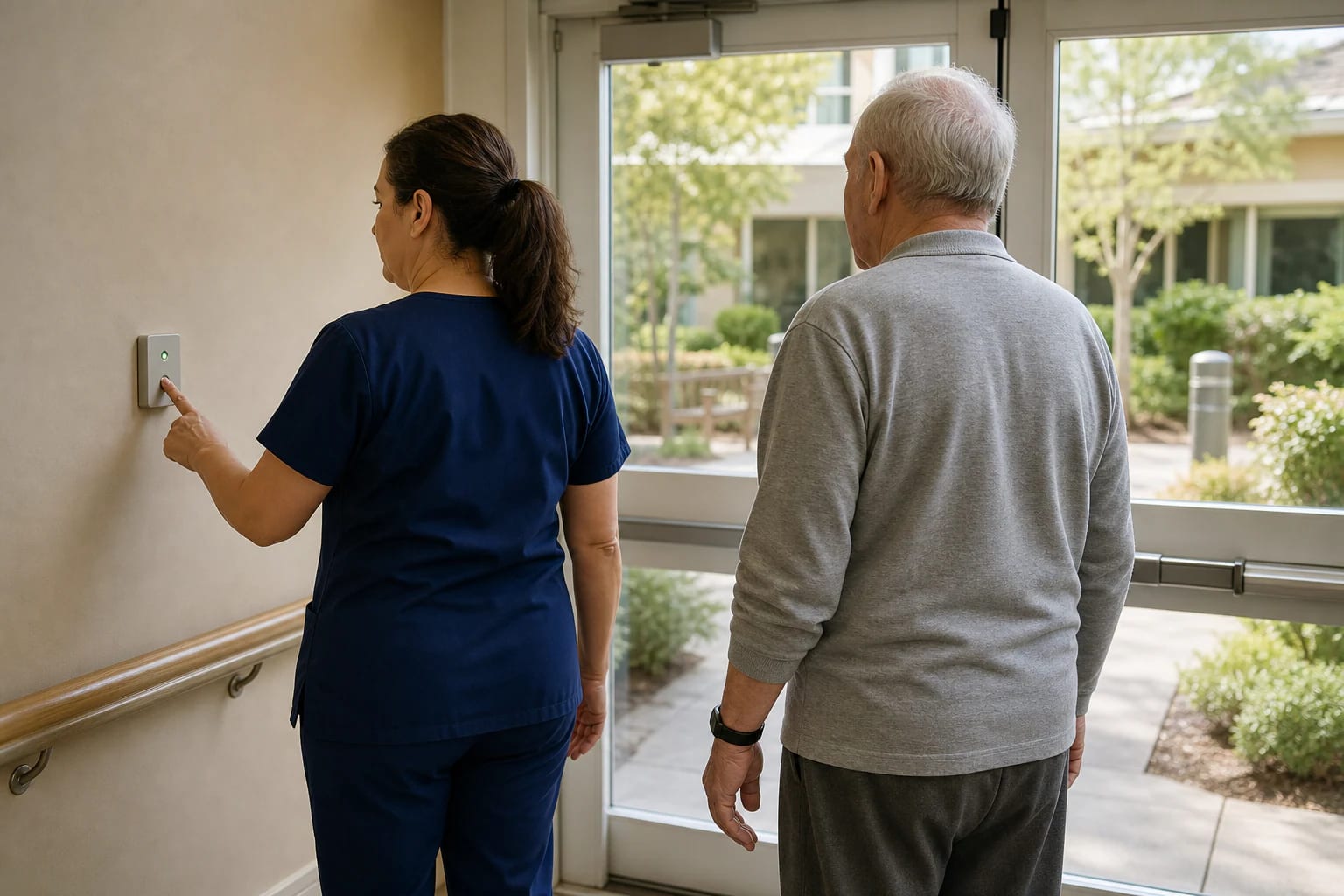
When a Skilled-Nursing Resident Goes Missing in California
After a California skilled-nursing resident leaves a safe area without the facility's knowledge or needed supervision, request the effective risk assessments and care plans, observation and search records, notifications, return assessment, and later changes. Separately preserve door, alarm, wearable-device, video, and staffing material, then reconcile facility timestamps with police, EMS, and public CDPH records.
Contributor: Hurt Advice Editorial Team | Topics: nursing home elopement records, wandering risk assessment, missing resident search timeline
Review article and sourcesDecision follow-up
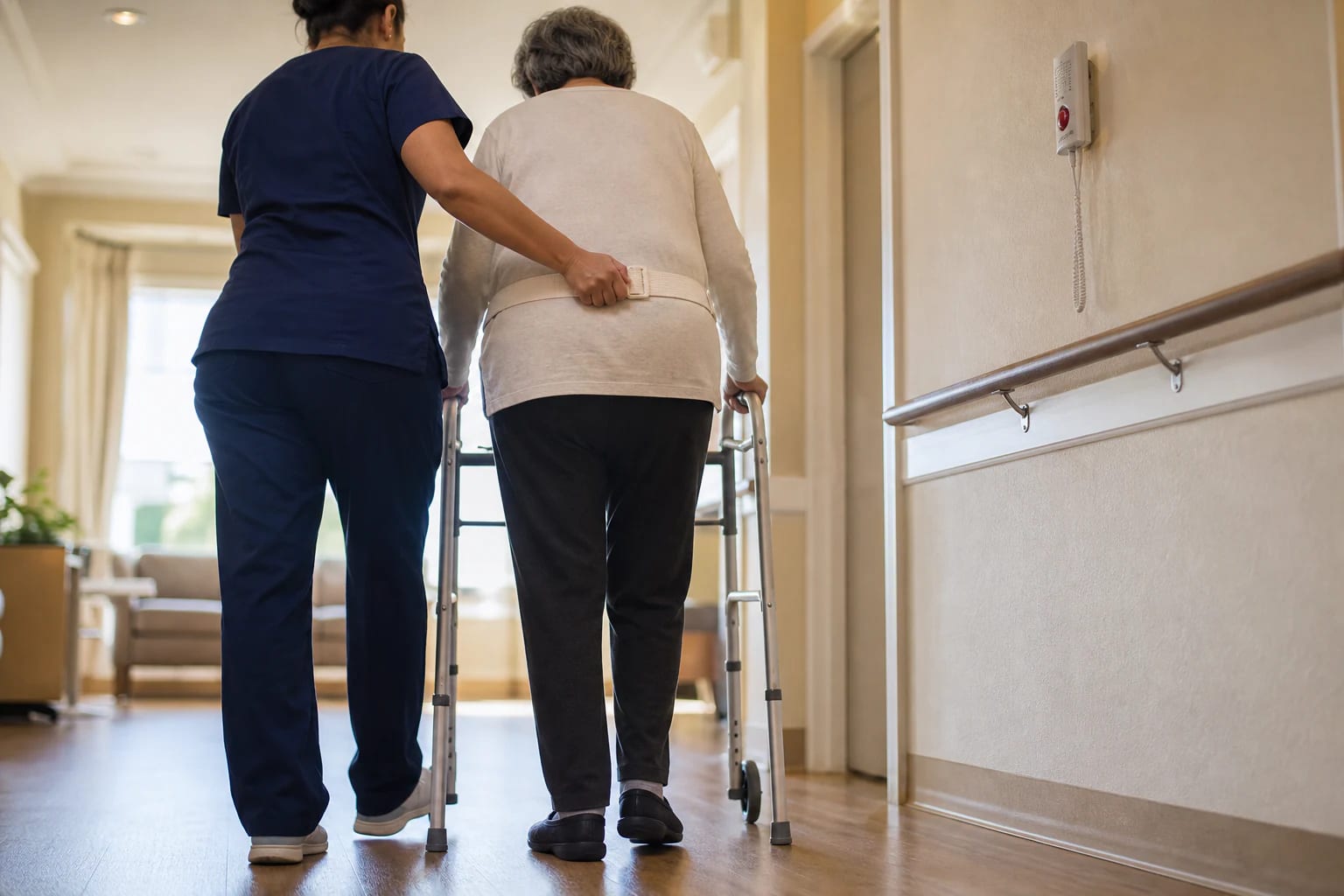
Nursing Home Fall Records in California: What to Request
After a fall in a California skilled nursing facility, request the resident’s chart, fall-risk assessments, care plans, MDS records, nursing notes, medication record, post-fall assessments, notifications, and transfer records. Then compare those materials with outside treatment records and public facility findings. Access depends on the resident or an authorized representative, and records alone do not prove fault.
Contributor: Hurt Advice Editorial Team | Topics: nursing home fall records, skilled nursing facility care plans, MDS assessment
Review article and sourcesA source-aware route through this archive
Begin with “California Nursing-Home Pressure Ulcer Timeline: What to Compare” because it is the current lead article for this collection, then compare its stated question, publication date, contributor, and source trail with the other entries rather than treating the archive title as the answer. The next article, “When a Skilled-Nursing Resident Goes Missing in California,” adds a separate evidence or decision angle that should be read on its own terms.
The declared topics for the lead article include nursing home pressure ulcer timeline, bed sore records, repositioning documentation, wound measurements. Those labels help with navigation, but the article's visible citations and facts control. If a rule, statistic, credential, result, or agency instruction is time-sensitive, follow the original source and check the article's modified date before relying on the summary.
After reading, move to the medical malpractice practice hub for claim-specific evidence, the resource center for checklists and timing, the location directory for California context, or a verified attorney profile for public license and firm information. That sequence keeps educational research separate from diagnosis, case valuation, assignment, and representation.