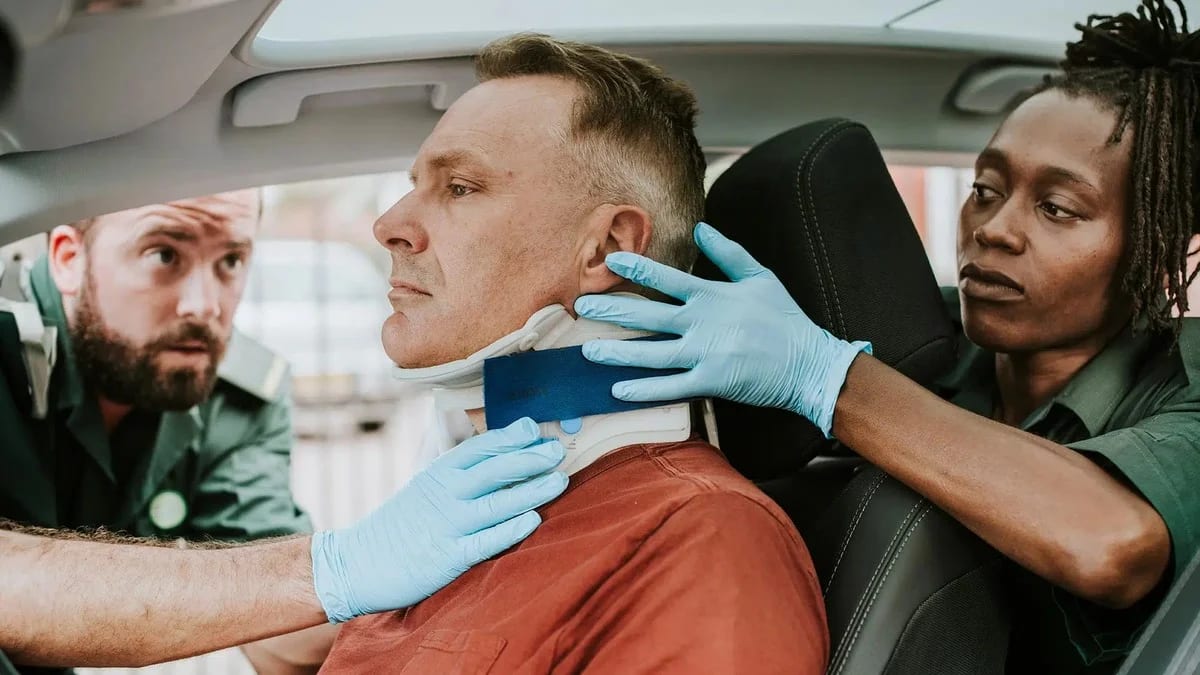
What should be documented first about the scene?
Start with the actual address, direction, lane, crossing, time, and lighting. Record a landmark only if it identifies the scene. Match report and camera timestamps with the first-care records from the actual provider.
How should the local data be used?
City and county data can identify patterns and public sources, but it does not prove fault, block-level frequency, or the value of an individual claim.
Why is an attorney profile matched here?
For truck accident lawyer in California, this page links Abraham Chuljyan (published focus includes truck accidents) as comparison paths grounded in public profiles and license records; it does not imply assignment, availability, representation, or an outcome recommendation.
How can the incident and treatment timeline be checked?
Compare the report, dispatch, photograph, or video time with the first treatment note. Preserve each original timestamp and any known clock difference. A timing gap identifies a question for the custodian or witness; it does not decide responsibility.
What must be confirmed before treating the California court identified after venue review as the venue reference?
Confirm the legal name of each potential party, who controlled the approach path, and whether a public entity was involved. the California court identified after venue review is a local reference; it does not establish venue, jurisdiction, or compliance with a notice requirement by itself.
What remains unresolved in the truck accident lawyer review?
The file should connect carrier dispatch, driver qualification, electronic logging, inspection, maintenance, loading, and onboard-data records with the actual treatment chronology and evidence preserved at the incident location. That comparison helps evaluate whether the driver, carrier, broker, shipper, maintenance vendor, or another commercial actor controlled the event or a missing record without turning local context into a legal conclusion.
Which local legal issue needs review?
Which proof source usually changes the first review?: A reader should leave with a focused checklist: event facts, catastrophic injuries, spinal cord damage, insurance contact, and the next document to preserve.
How should the local medical chronology be organized?
Which medical facts need to be lined up?: If you have only had one visit, organize that first record, future appointments, and symptoms that need follow-up.
What connects the scene to the potential filing venue?
Which resource supports the decision?: Choose between learning more, comparing participating attorneys, organizing value factors, or requesting a review.
What are this page's evidence priorities?
Preserve photos, incident reports, and witness notes tied directly to the truck accident lawyer facts.; Keep the treatment timeline organized so symptoms, imaging, referrals, and work disruption all line up clearly.; Document insurance contact, deadlines, and any recorded statement requests before the carrier frames the case for you.; carrier dispatch, driver qualification, electronic logging, inspection, maintenance, loading, and onboard-data records
Which local signals should be verified rather than assumed?
Confirm whether the facts fit truck accident lawyer rather than a neighboring service category.; Separate documented treatment, liability, coverage, and work-loss records before evaluating value.; Identify public-entity, product, employer, commercial-vehicle, or property-control issues before relying on an ordinary deadline.