T-Bone & Intersection Accident Lawyers
Injured in a side-impact collision? Get help organizing signal evidence, medical records, insurance issues, and the liability questions that decide T-bone accident claims.
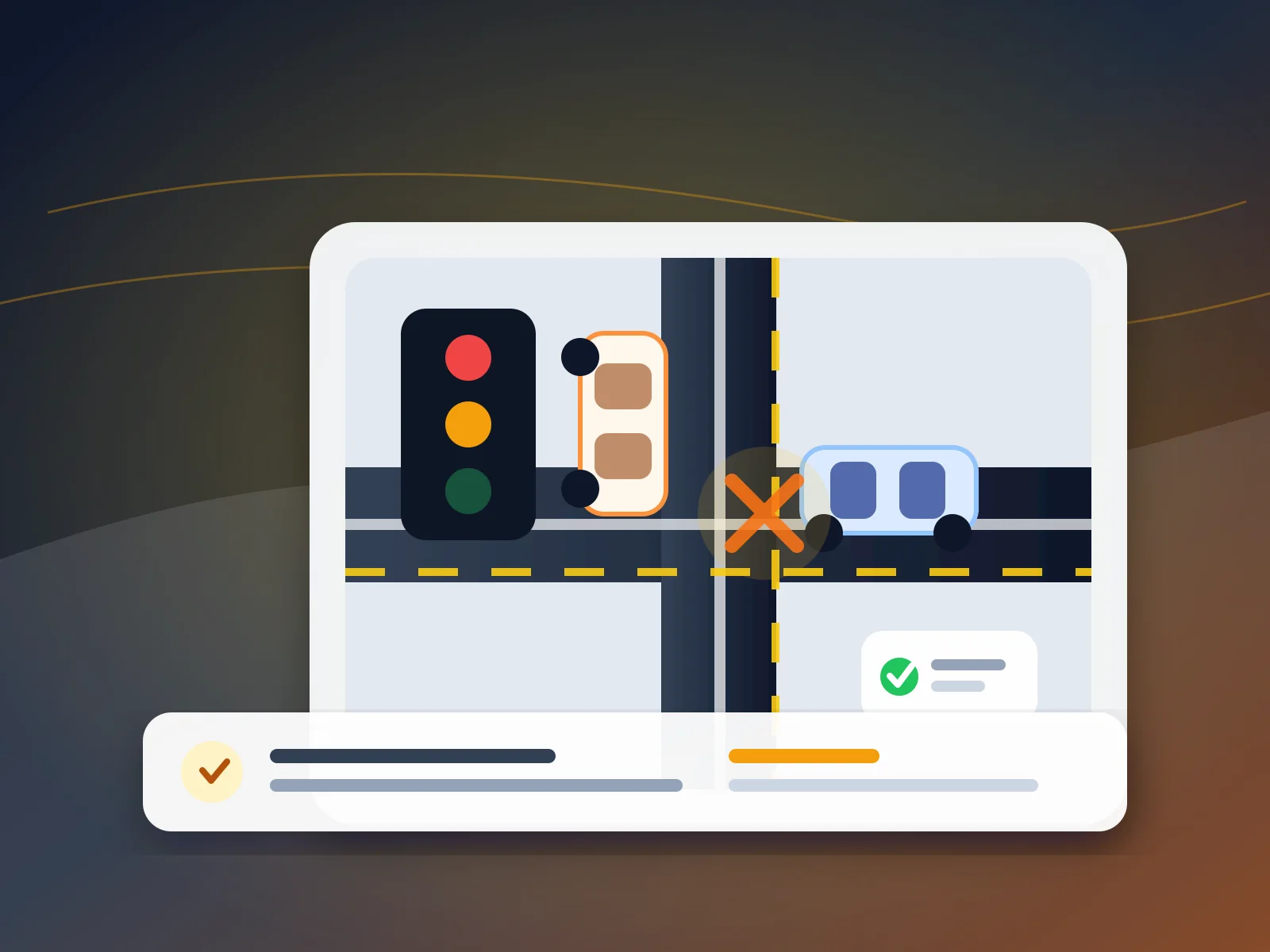
Common T-Bone Accident Injuries
Side impact collisions often cause severe injuries due to limited protection on vehicle sides.
Traumatic Brain Injury
Side impacts can cause violent head movement, concussions, and more serious TBI symptoms.
Broken Ribs & Chest
Direct door impact may cause rib fractures, sternum injuries, and complications that need prompt care.
Hip & Pelvic Fractures
Broadside crashes can transfer force into the pelvis and hip, especially when the struck vehicle has limited side protection.
Internal Organ Injuries
Abdominal pain, dizziness, or bruising after a side-impact crash can require urgent medical review.
Shoulder & Arm Injuries
Door intrusion and seatbelt loading can contribute to shoulder, arm, wrist, and rotator cuff injuries.
Spine & Nerve Injuries
Neck, back, radiating pain, numbness, or weakness may point to disc, nerve, or spinal trauma.
Who Is at Fault in a T-Bone Accident?
Determining liability is crucial for your claim. Here are common fault scenarios.
Running Red Light
Signal timing, camera footage, and witness statements can help show who entered against the light.
Running Stop Sign
Failure to stop, rolling stops, and blocked-view intersections often require close scene investigation.
Unprotected Left Turn
Left-turning drivers generally must yield, but speed, signal phase, and lane position still matter.
Speeding Through Intersection
Excess speed can reduce reaction time and intensify side-impact injuries.
Distracted Driving
Phone use, in-car screens, and delayed braking can become important negligence evidence.
DUI or Impaired Driving
Police reports, toxicology facts, and criminal case records may support a civil injury claim.
What Can Affect a T-Bone Accident Claim?
Every crash is different. These are the facts that often shape liability, insurance negotiations, and case value.
Common Problems After Side-Impact Crashes
T-bone accident claims can turn messy quickly. These are the issues worth documenting before evidence disappears.
The insurer says both drivers are at fault
A T-bone claim often needs signal timing, scene diagrams, witness statements, and vehicle-position evidence before fault becomes clear.
The pain got worse after the crash
Delayed neck, back, chest, or head symptoms should be documented quickly so the medical timeline is easy to understand.
The other driver changed their story
Early preservation of camera footage, police reports, dashcam clips, and repair photos can protect the claim from shifting narratives.
Related Practice Areas
Participating attorneys handle a wide range of personal injury cases. Explore related practice areas below.
T-Bone Accident FAQs
Who is at fault in a T-bone accident?
Fault in T-bone accidents typically goes to the driver who violated traffic laws - running a red light, stop sign, or failing to yield. However, both drivers may share fault in some situations. A participating attorney may investigate traffic camera footage, witness statements, and accident reconstruction when liability is disputed.
What is the average settlement for a T-bone accident?
T-bone accident settlement value depends on liability evidence, injury severity, treatment history, available insurance, lost income, long-term impairment, and whether the crash caused permanent limitations. A careful case review is needed before estimating value.
Should I get a lawyer for a T-bone accident?
Yes, especially for intersection accidents where fault may be disputed. Insurance companies often try to blame both drivers. An experienced attorney can gather evidence, negotiate with insurers, and ensure you receive full compensation for your injuries.
How do you prove someone ran a red light?
We use multiple evidence sources: red light camera footage, traffic camera recordings, witness statements, police reports, EDR (black box) data from vehicles, dashcam footage, and accident reconstruction experts. Hurt Advice intake team knows how to obtain and preserve this critical evidence.
What if I was partially at fault for the intersection accident?
California follows comparative negligence rules, meaning you can still recover damages even if partially at fault. Your compensation is reduced by your percentage of fault. For example, if you're 20% at fault on a $100,000 case, you can recover $80,000.
How long do I have to file a T-bone accident claim?
In California, the statute of limitations for personal injury claims is 2 years from the accident date. However, we recommend contacting an attorney immediately to preserve evidence and protect your rights.
Injured in a T-Bone Accident?
Get your case-routing review today. Attorney fee terms depend on the written attorney agreement.
Meet Your T-Bone Accident Attorneys
Connect with attorneys who understand side-impact evidence, intersection liability, and serious crash injuries across California

Raffi Naljian, Esq.
California Personal Injury, Litigation & Criminal Defense Attorney
Public profile includes T Bone Accidents
Verified profile details
California Bar #238919, active since 2005
Fact-checked against the California State Bar profile and Naljian Law Offices website.
Listed focus: Car Accidents and Rear End Collision Lawyer matters.
View Profile