Free intake reviewES
Review path for San Francisco & San Francisco County

San Francisco Car Accident Lawyer

Legal information and case-routing review for car accidents victims throughout San Francisco County

Evidence
Scene proof
18,000+
Annual San Francisco crashes
4+
Record sources
Written
Attorney terms

Local roads and intersections

I-80, US-101, I-280 and nearby corridors where serious collisions happen fast.

Medical treatment access

UCSF Medical Center, Zuckerberg SF General Hospital and other providers that may appear in local injury records.

Neighborhood coverage

Financial District, SOMA, Mission District, Marina, plus surrounding communities across San Francisco County.

18,000+
Annual Accidents in San Francisco
14,000+
Injury Accidents
4+
Medical Record Sources
8+
Neighborhood Links

Car Accidents Attorney Review in San Francisco

If you've been injured in a car accidents incident in San Francisco, local crash patterns can help organize stronger intake facts for attorney review. The latest dataset tracks 8,920 total crashes, 3,100 injury crashes, and 31 fatal crashes in San Francisco, which can affect how liability and damages are evaluated. Hurt Advice provides legal information and case-routing intake, not law-firm representation.

This page highlights corridors like US-101, I-80, I-280, recurring hotspots near Market & Octavia, 6th & Market, and peak windows such as 8:30 AM - 10:00 AM, 5:00 PM - 7:30 PM. The latest local dataset shows 8,920 total crashes and 3,100 injury crashes in San Francisco. Patterns like Distracted Driving, Pedestrian Right-of-Way Violations can help frame liability, damages, and evidence priorities early.

Local evidence fingerprint

How this San Francisco page is different from the statewide guide

These signals help injured visitors understand the evidence path that belongs to this city-service combination before the review is treated as routine.

local differentiator

San Francisco claim fingerprint

For San Francisco, the useful question is whether the triage record, ambulance narrative, and radiology order can be tied to I-80, US-101, I-280 before the insurer treats the car accidents file as routine.

  • Use the liability sequence to connect scene proof with commuter turnover.
  • Compare UCSF Medical Center, Zuckerberg SF General Hospital against the first symptom notes and follow-up timing.
  • Keep Golden Gate Bridge, Alcatraz Island tied to triage record when agency, property-control, or maintenance questions may shape the file.
Evidence sequence

What must stay specific on this city page

A stronger San Francisco page explains the deadline clock, the school-hour congestion, and the documents that move a reader from research into a useful case review.

  • Name the records that can disappear first, especially any triage record or ambulance narrative.
  • Compare Financial District, SOMA, Mission District, Marina through deadline clock; the point is to surface ambulance narrative, radiology order, and road context that a generic page misses.
  • Show how Whiplash, Back & Neck Injuries, Traumatic Brain Injuries changes the review through deadline clock, provider timing, work disruption, and whether future-care questions remain open.

Decision summary

The decision point matters more than the keyword

Make the camera window clear: preserve radiology order, map the local pressure around public-entity notice, and decide whether the next click should be a city guide, resource page, attorney profile, or intake.

  • Use camera window headings that explain why radiology order or ambulance narrative belongs in the first evidence review.
  • Make I-80, US-101, I-280 the anchor and Financial District, SOMA, Mission District, Marina the comparison set, so the next click solves a different proof question.
  • Keep the language evidence-first by pairing Whiplash, Back & Neck Injuries, Traumatic Brain Injuries with radiology order, UCSF Medical Center, Zuckerberg SF General Hospital, and the timing issue behind public-entity notice.

radiology order handoff

A radiology order becomes more useful when it is matched with Zuckerberg SF General Hospital, a Sunset comparison, and a clear explanation of what still needs verification.

hospital transfer timing filter

The hospital transfer timing detail matters when it explains why Broken Bones evidence may change the venue question and the urgency of preserving records.

preservation email near I-80

When a car accidents question starts around I-80, the preservation email matters because industrial gate movement can blur the work-loss proof before witnesses are contacted.

California Pacific Medical Center timing

A reader in San Francisco should know whether California Pacific Medical Center records line up with Whiplash, especially if the first insurer note minimizes the coverage map.

Golden Gate Bridge control question

If Golden Gate Bridge is part of the story, preserve the inspection request before freight movement changes who can explain access, lighting, staffing, or maintenance.

Sunset comparison

Comparing San Francisco with Sunset helps separate a generic car accidents article from a useful medical necessity record supported by a adjuster voicemail.

City evidence matrix

Records, routes, and review checks that belong to San Francisco

This matrix keeps the page useful for search and visitors by turning local roads, treatment signals, venues, and insurance pressure into distinct review tasks instead of repeating the statewide guide.

Medical-necessity lens check 1

Venue question near Golden Gate Bridge

This matrix keeps the page grounded by tying Broken Bones, California Pacific Medical Center, and construction detour to one local record question at a time.

  • Check whether delayed symptom escalation creates a public-entity, employer, platform, property-control, or coverage issue.
  • Write down the exact insurer question being asked, then decide whether placing high-friction evidence ahead of generic settlement language should happen before a recorded statement.
  • Use Mission District only when it changes specialist intake, placing high-friction evidence ahead of generic settlement language, or delayed symptom escalation; otherwise keep the review anchored to repair story.

Medical-necessity lens check 2

Venue question around I-80

Start this city-level review with specialist intake, not a settlement estimate, because delayed symptom escalation can change how I-80 is read against California Pacific Medical Center.

  • Write down the exact insurer question being asked, then decide whether making the local route readable without depending on a map widget should happen before a recorded statement.
  • Use North Beach only when it changes radiology order, making the local route readable without depending on a map widget, or a fast property-damage estimate; otherwise keep the review anchored to venue question.
  • Flag delayed symptom escalation early because it can change whether intake should focus on liability, treatment, coverage, or damages.

Family-decision lens check 3

Radiology order before the adjuster summary

If a venue or property-control question appears, the first review should compare Alcatraz Island, notice trail, and St. Francis Memorial Hospital before damages are estimated.

  • Use Mission District only when it changes dispatch note, turning a broad injury question into a document-specific checklist, or a venue or property-control question; otherwise keep the review anchored to damages ledger.
  • Flag a fast property-damage estimate early because it can change whether intake should focus on liability, treatment, coverage, or damages.
  • Compare St. Francis Memorial Hospital with the first symptom report so Whiplash does not get disconnected from the local sequence.

Adjuster-pressure lens check 4

Broken Bones proof through California Pacific Medical Center

A strong reader path asks whether tow-yard photo or employer absence note can prove turning a broad injury question into a document-specific checklist before the file turns into a generic car accidents summary.

  • Flag a venue or property-control question early because it can change whether intake should focus on liability, treatment, coverage, or damages.
  • Compare California Pacific Medical Center with the first symptom report so Broken Bones does not get disconnected from the local sequence.
  • Keep tow-yard photo separate from memory-based summaries so the page points to verifiable evidence instead of impressions.

Camera-window lens check 5

Work-loss proof near Chinatown

A strong reader path asks whether camera-retention request or tow-yard photo can prove linking a symptom timeline to a concrete place and provider before the file turns into a generic car accidents summary.

  • Compare UCSF Medical Center with the first symptom report so Broken Bones does not get disconnected from the local sequence.
  • Keep camera-retention request separate from memory-based summaries so the page points to verifiable evidence instead of impressions.
  • Keep camera-retention request separate from memory-based summaries so the page points to verifiable evidence instead of impressions.

Transportation-corridor lens check 6

Tow-yard photo before the adjuster summary

Instead of repeating statewide basics, this section tests whether I-280, tow-yard photo, and checking whether a record can disappear before a routine claim review change the next useful step.

  • Keep specialist intake separate from memory-based summaries so the page points to verifiable evidence instead of impressions.
  • Keep specialist intake separate from memory-based summaries so the page points to verifiable evidence instead of impressions.
  • Use SOMA only when it changes camera-retention request, checking whether a record can disappear before a routine claim review, or a claim value estimate without enough proof; otherwise keep the review anchored to work-loss proof.

Family-decision lens check 7

Weather and lighting change handoff to the next page

Use this local lens to separate a helpful city guide from doorway copy: I-80, Marina, and camera-retention request each have a job.

  • Keep billing ledger separate from memory-based summaries so the page points to verifiable evidence instead of impressions.
  • Use Marina only when it changes specialist intake, showing why a nearby page is a comparison path rather than a duplicate, or unclear camera ownership; otherwise keep the review anchored to insurance posture.
  • Ask who controls the camera-retention request, then match that owner with the date, time, and nearest route detail from I-80.

Treatment-timeline lens check 8

Industrial gate movement handoff to the next page

This matrix keeps the page grounded by tying Spinal Cord Injuries, St. Francis Memorial Hospital, and industrial gate movement to one local record question at a time.

  • Use Castro only when it changes billing ledger, checking whether a public agency, employer, platform, or property owner may hold records, or a nearby facility that may hold intake, security, or billing records; otherwise keep the review anchored to insurance posture.
  • Ask who controls the specialist intake, then match that owner with the date, time, and nearest route detail from I-80.
  • Check whether a nearby facility that may hold intake, security, or billing records creates a public-entity, employer, platform, property-control, or coverage issue.

Local evidence review

Practical review notes for San Francisco car accidents claims

These notes add city-specific context that helps a visitor compare records, treatment, road details, and next steps before speaking with an insurance carrier.

city-level proof route 1

Venue-control lens for San Francisco

The local value comes from separating the scene record from the claim narrative. body-shop supplement, medical necessity record, and California Pacific Medical Center tell the reader what to preserve first.

  • A useful first pass asks who can confirm US-101, whether California Pacific Medical Center supports the timing, and what body-shop supplement can still be preserved.
  • If Cable Cars or North Beach appears in the story, the orthopedic referral can become more important than a generic discussion of car accidents.
  • For San Francisco, Back & Neck Injuries should lead to a record task: compare California Pacific Medical Center, separating first-hand proof from later insurer summaries, and the first symptom note.

Checklist

  • Preserve employer absence note before the record owner changes access, retention, or availability.
  • Tie California Pacific Medical Center to first symptoms, follow-up care, and any work or mobility limits.
  • Keep North Beach in the supporting lane: the San Francisco page should still own body-shop supplement, Back & Neck Injuries, and retail driveway conflict.
  • Make the handoff practical by matching employer absence note and California Pacific Medical Center with the city, county, resource, lawyer-fit, or intake path.

city-level proof route 2

Medical-necessity lens for San Francisco

Use San Francisco as the proof anchor, not a keyword swap. I-280, Fisherman's Wharf, and body-shop supplement should show why making the local route readable without depending on a map widget matters for this reader.

  • Let I-280 introduce one concrete question: whether the first proof source, the care record, or the damages ledger needs attention first.
  • Fisherman's Wharf becomes useful when it points to pharmacy pickup, while Financial District should stay secondary unless it changes separating first-hand proof from later insurer summaries.
  • For Back & Neck Injuries, the page should explain the liability sequence and show why separating first-hand proof from later insurer summaries matters before the insurer narrows the file.

Checklist

  • Preserve body-shop supplement before the record owner changes access, retention, or availability.
  • Tie St. Francis Memorial Hospital to first symptoms, follow-up care, and any work or mobility limits.
  • If Financial District helps, make it prove a difference in St. Francis Memorial Hospital, separating first-hand proof from later insurer summaries, or roadway access rather than repeating the same page.
  • Make the handoff practical by matching body-shop supplement and St. Francis Memorial Hospital with the city, county, resource, lawyer-fit, or intake path.

city-level proof route 3

Adjuster-pressure lens for San Francisco

Use San Francisco as the proof anchor, not a keyword swap. US-101, Chinatown, and call-log timestamp should show why matching scene facts to the earliest treatment note matters for this reader.

  • Use US-101 only when it helps explain the camera lead, witness angle, care handoff, or the medical necessity record.
  • If Chinatown or Castro appears in the story, the coverage letter can become more important than a generic discussion of car accidents.
  • For San Francisco, Back & Neck Injuries should lead to a record task: compare UCSF Medical Center, making the next click obvious for readers who need the right local path, and the first symptom note.

Checklist

  • Preserve call-log timestamp before the record owner changes access, retention, or availability.
  • Tie UCSF Medical Center to first symptoms, follow-up care, and any work or mobility limits.
  • If Castro helps, make it prove a difference in UCSF Medical Center, making the next click obvious for readers who need the right local path, or roadway access rather than repeating the same page.
  • If the file turns on weather and lighting change, route the reader to the page type that can answer that issue next instead of another generic article.

city-level proof route 4

Fault-sequence lens for San Francisco

This route checks whether San Francisco changes the evidence plan: I-280 shapes the scene, UCSF Medical Center shapes the care trail, and conflicting witness direction shapes the insurer response.

  • Start around I-280, then compare the claim-number trail with UCSF Medical Center; that combination helps separate conflicting witness direction from a broad statewide summary.
  • Chinatown becomes useful when it points to body-shop supplement, while Castro should stay secondary unless it changes using the page to triage urgency rather than repeat statewide basics.
  • A reader with Back & Neck Injuries needs the page to separate symptoms, provider timing, scene diagram, and the insurer issue without overclaiming.

Checklist

  • Preserve scene diagram before the record owner changes access, retention, or availability.
  • Tie UCSF Medical Center to first symptoms, follow-up care, and any work or mobility limits.
  • Keep Castro in the supporting lane: the San Francisco page should still own claim-number trail, Back & Neck Injuries, and industrial gate movement.
  • Send the reader toward the next useful step from UCSF Medical Center: a city guide, county guide, resource, attorney proof page, or intake.

city-level proof route 5

Bilingual-intake lens for San Francisco

A reader researching car accidents in San Francisco needs help with matching scene facts to the earliest treatment note. The useful city question is how parking receipt, insurance posture, and visitor surge change the next step.

  • If CA-1 matters, tie the route, the proof owner, and UCSF Medical Center to the same chronology.
  • If Alcatraz Island or Financial District appears in the story, the employer absence note can become more important than a generic discussion of car accidents.
  • Treat Broken Bones as a documentation problem first: what care note, restriction, or radiology order can confirm the timeline?

Checklist

  • Preserve radiology order before the record owner changes access, retention, or availability.
  • Tie UCSF Medical Center to first symptoms, follow-up care, and any work or mobility limits.
  • Treat Financial District as a repair story cross-check, not as substitute copy for the San Francisco facts.
  • Close the section with a checking whether a record can disappear before a routine claim review path so Broken Bones, radiology order, and a treatment gap the adjuster may overstate point to a real next click.

city-level proof route 6

Fault-sequence lens for San Francisco

This route checks whether San Francisco changes the evidence plan: I-80 shapes the scene, UCSF Medical Center shapes the care trail, and a fast property-damage estimate shapes the insurer response.

  • Start around I-80, then compare the body-shop supplement with UCSF Medical Center; that combination helps separate a fast property-damage estimate from a broad statewide summary.
  • When body-shop supplement points toward Alcatraz Island, preserve that record before the reader is sent to a broader city, county, or resource page.
  • If the claim involves Traumatic Brain Injuries, the next useful paragraph should organize specialist intake, making the local route readable without depending on a map widget, and any care gap before value language appears.

Checklist

  • Preserve specialist intake before the record owner changes access, retention, or availability.
  • Tie UCSF Medical Center to first symptoms, follow-up care, and any work or mobility limits.
  • Use Financial District to pressure-test specialist intake, a fast property-damage estimate, and the local care trail before linking away from San Francisco.
  • Send the reader toward the next useful step from UCSF Medical Center: a city guide, county guide, resource, attorney proof page, or intake.

city-level proof route 7

Witness-location lens for San Francisco

Use San Francisco as the proof anchor, not a keyword swap. I-80, Alcatraz Island, and property incident note should show why linking a symptom timeline to a concrete place and provider matters for this reader.

  • The scene should not float away from the medical record: connect I-80, coverage letter, and UCSF Medical Center before damages are estimated.
  • Compare Alcatraz Island with property incident note, call-log timestamp, and a public-entity notice issue before linking away from this city path.
  • A reader with Traumatic Brain Injuries needs the page to separate symptoms, provider timing, property incident note, and the insurer issue without overclaiming.

Checklist

  • Preserve property incident note before the record owner changes access, retention, or availability.
  • Tie UCSF Medical Center to first symptoms, follow-up care, and any work or mobility limits.
  • Treat Marina as a insurance posture cross-check, not as substitute copy for the San Francisco facts.
  • Close the section with a building a clear relationship between local pages and source-backed resources path so Traumatic Brain Injuries, property incident note, and a public-entity notice issue point to a real next click.

city-level proof route 8

Transportation-corridor lens for San Francisco

This route checks whether San Francisco changes the evidence plan: I-80 shapes the scene, St. Francis Memorial Hospital shapes the care trail, and delayed symptom escalation shapes the insurer response.

  • Do not let I-80 become a keyword label; use it to explain why scene diagram or St. Francis Memorial Hospital changes the early review.
  • If Alcatraz Island or Sunset appears in the story, the scene diagram can become more important than a generic discussion of car accidents.
  • Make the Broken Bones paragraph answer one local question: whether I-80, St. Francis Memorial Hospital, or 911 chronology explains the care sequence best.

Checklist

  • Preserve 911 chronology before the record owner changes access, retention, or availability.
  • Tie St. Francis Memorial Hospital to first symptoms, follow-up care, and any work or mobility limits.
  • Use Sunset to pressure-test 911 chronology, delayed symptom escalation, and the local care trail before linking away from San Francisco.
  • Close the section with a separating first-hand proof from later insurer summaries path so Broken Bones, 911 chronology, and delayed symptom escalation point to a real next click.

Local Legal, Medical & Venue Context

Legal focus

San Francisco cases frequently raise public-transit, rideshare, and pedestrian-right-of-way issues, so SFMTA evidence and government-claim timing can be central.

Medical timeline

Treatment records often begin with providers such as UCSF Medical Center and Zuckerberg SF General Hospital before moving into orthopedic, neuro, and pain-management care. Preserving that timeline is critical to proving damages in San Francisco.

Venue strategy

Review should compare camera coverage, curb activity, and transit records around Market Street, SoMa, and downtown corridors before deciding how to frame venue and liability.

Evidence priorities

  • Preserve incident, camera, or business footage near Golden Gate Bridge, Alcatraz Island
  • Lock in EMS and intake records from UCSF Medical Center and Zuckerberg SF General Hospital
  • Track witness movement and vehicle data on corridors like US-101, I-80
  • Tie liability themes to local causes such as Distracted Driving, Pedestrian Right-of-Way Violations

Review pressure points

  • Heavy movement through US-101, I-80
  • Recurring danger at intersections such as Market & Octavia, 6th & Market
  • Higher claim pressure during 8:30 AM - 10:00 AM, 5:00 PM - 7:30 PM

Common Car Accidents Injuries for Attorney Review

Whiplash
Back & Neck Injuries
Traumatic Brain Injuries
Broken Bones
Spinal Cord Injuries

Major Highways & Roads

Participating attorneys may review car accidents cases from accidents on:

I-80US-101I-280CA-1

Local Hospitals That May Appear in Records

UCSF Medical Center
Zuckerberg SF General Hospital
California Pacific Medical Center
St. Francis Memorial Hospital

Courthouses & Legal Venues Near San Francisco

San Francisco Superior Court
Civic Center Courthouse
Hall of Justice

Busy Zones, Landmarks & ZIP Codes to Review

Claims in San Francisco often involve congestion near Golden Gate Bridge, Alcatraz Island, Fisherman's Wharf and surrounding ZIP codes where traffic patterns and medical access matter.

Golden Gate BridgeAlcatraz IslandFisherman's WharfCable CarsChinatown
941029410394104941079410894109

Local answer map

Common questions this San Francisco page answers

People often arrive with broad searches like near me, best lawyer, what to do next, or what a claim may be worth. These paths explain what to compare before a call without ranking lawyers or presenting Hurt Advice as a law firm.

Common search: San Francisco car accident lawyer

Local car accidents fit in San Francisco

Use this page to connect a car accident, local scene facts near I-80, treatment records from UCSF Medical Center, and the right participating-attorney review path without treating Hurt Advice as a law firm.

Scene and roadway proofTreatment timelineInsurance and deadline pressure

Common search: car accident lawyer near me San Francisco

Near-me review signals for San Francisco County

A near-me search should still check local coverage, record sources, attorney fit, written fee terms, and whether the intake stays within the referral-service boundary.

Local coveragePublic profile signalsWritten agreement required

Common search: best car accident lawyer San Francisco

A safer way to compare "best" results

Hurt Advice does not rank lawyers as best. This page helps visitors compare evidence needs, claim type, communication fit, public-source profile signals, and local San Francisco context before requesting review.

No ranking claimProfile and practice fitReferral disclosure

Common search: what to do after a car accident in San Francisco

First records to organize before a call

Start with photographs, the report number, witnesses, camera leads, treatment records, insurance messages, and any Financial District or I-80 details that may disappear quickly.

Photos and reportsWitness and camera leadsMedical records

Common search: how much is a car accidents claim worth in San Francisco

Value questions need proof, not promises

No page can promise case value. Review usually turns on injury severity, treatment depth, wage loss, future care, fault disputes, insurance limits, liens, and how well those facts connect to the incident.

Medical proofLost income and future careInsurance limits

Spanish-language review path

Spanish guide for San Francisco car accidents questions

If a visitor prefers Spanish, the matching Spanish page explains evidence, treatment, insurance, local context, and case-routing intake in Spanish while keeping the same referral-service boundary.

Ver la guia en espanol para San Francisco

Crash Pattern Snapshot in San Francisco

8,920
Total crashes
3,100
Injury crashes
31
Fatal crashes
-1.2%
YoY change

Top causes

Distracted DrivingPedestrian Right-of-Way ViolationsRunning Red LightsSpeedingDUI

Peak evidence windows

8:30 AM - 10:00 AM5:00 PM - 7:30 PMFriday eveningsSaturday nights

Dangerous intersections

  • Market & Octavia
  • 6th & Market
  • Van Ness & Geary
  • Mission & 16th

High-risk corridors

US-101I-80I-280SR-1

The latest local dataset shows 8,920 total crashes and 3,100 injury crashes in San Francisco. Patterns like Distracted Driving, Pedestrian Right-of-Way Violations can help frame liability, damages, and evidence priorities early.

How to organize San Francisco review facts

01

Scene and treatment review in San Francisco

Start with the crash scene, local road conditions, and the first treatment records from providers like UCSF Medical Center so liability and damages questions are documented early.

02

Venue-aware review planning for San Francisco County

Hurt Advice intake organizes records with San Francisco County courts, local adjusters, and the practical timeline for serious injury questions in mind.

03

Damages built around real local impact

Lost income, future care, and disruption are evaluated against real local costs in San Francisco and nearby ZIPs like 94102, 94103, 94104.

Step-by-step intake path

How to prepare a San Francisco car accidents review

These steps give visitors and search engines a concrete action path for the city-service page: scene proof, medical records, insurance timing, and the referral-service boundary.

Step 1

Confirm the San Francisco scene

Save the crash location, photos, police report number, nearby cameras, witnesses, and road details for routes such as I-80 or US-101.

Step 2

Connect injuries to treatment

Organize ER, urgent-care, imaging, referral, prescription, and follow-up records from providers such as UCSF Medical Center so symptoms match the timeline.

Step 3

Map insurance and deadline pressure

Keep claim numbers, adjuster messages, recorded-statement requests, public-entity clues, and repair or tow records together before deadline questions become urgent.

Step 4

Compare San Francisco attorney-review options

Use Hurt Advice as legal information and case-routing intake for car accidents questions in Financial District; representation begins only after a separate attorney agreement is signed.

Why compare participating San Francisco Car Accidents attorneys?

Local court and record context

Local context may help identify San Francisco County court procedures, records, providers, and deadline issues before independent attorney review.

Contingency-Fee Terms

Attorney fee terms depend on a separate written agreement, so the intake can stay focused on records, treatment, and claim strategy first.

24/7 Availability

Intake can start around the clock, with attorney review only after a separate written agreement.

Referral-service boundary

Hurt Advice is not a law firm. Representation begins only if a participating attorney and client sign a separate written agreement.

San Francisco Car Accidents FAQs

How much does a car accident lawyer cost in San Francisco?
A person in San Francisco can organize camera preservation, billing records, and medical documentation before deciding whether to speak with a participating attorney about written fee terms.
What is the statute of limitations for car accidents in California?
Most California injury lawsuits use a two-year planning frame, but public-entity claims can move on a much shorter notice schedule. For San Francisco, keep the date, location proof near I-280, and care records from St. Francis Memorial Hospital together before waiting.
Where do serious car accidents claims happen most often in San Francisco?
Review should preserve evidence from intersections like Market & Octavia, 6th & Market, Van Ness & Geary and corridors such as US-101, I-80, I-280. Those locations show up repeatedly in local crash data and often need prompt evidence preservation.
How long do car accidents cases take in San Francisco?
Timeline questions for car accidents cases should start with records, not guesses. In San Francisco, property-owner involvement can slow the file unless the team can request records before routine deletion cycles early.
What damages evidence can matter for car accidents in San Francisco?
Damages review usually starts with medical bills, treatment duration, wage loss, future care, daily-life limits, available insurance, liens, and how clearly the injuries connect to the incident. Hurt Advice can help organize those facts for attorney-review intake, but no page can promise a value or result.
What makes San Francisco car accidents cases different?
The latest local dataset shows 8,920 total crashes and 3,100 injury crashes in San Francisco. Patterns like Distracted Driving, Pedestrian Right-of-Way Violations can help frame liability, damages, and evidence priorities early.

Free San Francisco Intake Review

Fast intake, clear next steps, and attorney fee terms vary.

Intake Available Now
Intake Team Available Now

case-routing review

Start with the essentials. Load the secure form when you are ready to use it.

Call (818) 482-2260

Quick Contact

(818) 482-2260
Coverage across San Francisco County
Available 24/7

Nearby Areas Covered

Daly City8 miles
South San Francisco10 miles
San Mateo20 miles
Pacifica12 miles
Brisbane8 miles
Burlingame15 miles
Local intake focus

Hurt Advice organizes car accident lawyer intake details around treatment, roadway evidence, insurance timing, and local venue context before possible participating attorney review.

San Francisco routing context

Compare San Francisco Car Accidents Attorneys

Review participating attorney profiles, source-backed practice signals, and referral-service boundaries for San Francisco and San Francisco County car accidents questions.

Raffi Naljian - California Personal Injury, Litigation & Criminal Defense Attorney
20+ Years

Raffi Naljian, Esq.

California Personal Injury, Litigation & Criminal Defense Attorney

Best fit for San Francisco Car Accidents claims

Glendale and Los Angeles litigation intake team

Ideal for Car Accidents and Rear End Collision Lawyer matters.

View Profile
Armen Akaragian - Partner & Personal Injury Trial Attorney
20+ Years

Armen Akaragian, Esq.

Partner & Personal Injury Trial Attorney

Best fit for San Francisco Car Accidents claims

Los Angeles complex injury and trial litigation desk

Ideal for Catastrophic Injury and Motorcycle Accidents matters.

View Profile
Astghik Sogoyan - Co-Founder & Lead Attorney
15+ Years

Astghik Sogoyan, Esq.

Co-Founder & Lead Attorney

Best fit for San Francisco Car Accidents claims

Inland Empire and major-corridor litigation team

Ideal for Truck Accidents and Uber Lyft Accidents matters.

View Profile
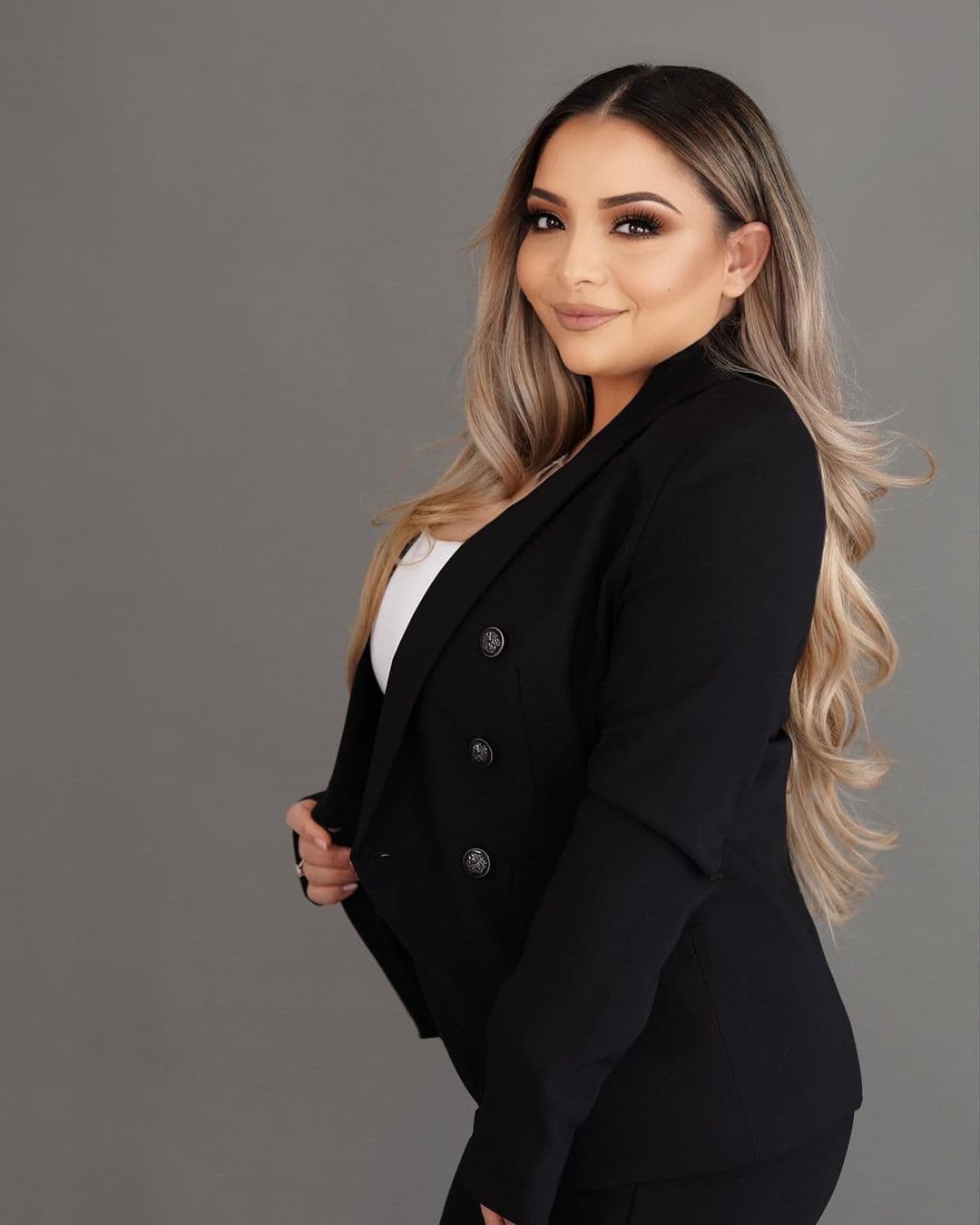
Silva Maranjyan - Co-Founder & Lead Attorney
8+ Years

Silva Maranjyan, Esq.

Co-Founder & Lead Attorney

Best fit for San Francisco Car Accidents claims

Encino and Los Angeles catastrophic injury desk
Los AngelesBeverly HillsWest Hollywood

Ideal for Brain Injury and Catastrophic Injury matters.

View Profile

Injured in San Francisco? Get Help Today.

Start with a free intake review, organized local records, and clear next steps. If appropriate, a participating attorney may review the request under a separate written agreement.