Choosing a Lawyer for a Rear-End Collision
A rear impact describes the collision; it does not decide every question about fault or injury. When choosing counsel, identify what is actually disputed: vehicle sequence, a sudden lane change, the reason for a stop, a new symptom, or an insurer’s position. Give each candidate the same short chronology and ask what fact they would investigate first. The comparison below helps you judge the proposed work rather than an advertised result.
Hurt Advice editorial guide. Source review: . This guide does not state that the attorney authored, reviewed or approved it. Visit the profile for public licensing and background records.
Review the attorney’s public background, then confirm experience and availability directly.
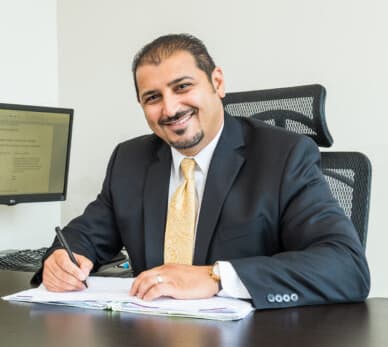
Raffi Naljian
Founder, Civil Litigation, Personal Injury & Criminal Defense Attorney
Raffi Garabed Naljian is the founder of Naljian Law Offices and an active California attorney under State Bar #238919. A Los Angeles Times profile says he founded the firm in 2008 after beginning his legal career in 1997, and the State Bar lists personal injury, litigation, criminal law, and business law among his self-reported practice areas.
View Raffi Naljian's full verified profilePrimary identity record
Learn more about Raffi Naljian
This is a focused supporting page. Use Raffi Naljian's full sourced attorney profile as the primary identity record for biography, role, languages, office information, and public-record links. Review that profile alongside the issue-specific preparation and public sources below.
The State Bar record lists Raffi Garabed Naljian as an active California attorney, State Bar #238919. Hurt Advice is a separate referral and legal information service, not the attorney's law firm.
How to Evaluate Attorney Fit for This Issue
California Vehicle Code section 21703 addresses following too closely, but a lawyer should still examine the full sequence and available evidence. Ask who would assess photographs, witness accounts, the report and any conflicting statements. If the dispute is mainly about injury, ask how the lawyer would organize medical records and explain what remains uncertain without promising that a particular test proves causation.
Consultation worksheet
Rear-impact counsel comparison
Use one copy per lawyer. Record a concrete answer and the next document or action promised; leave unsupported claims blank.
There is no submit or save action. Copy your notes before leaving this page.
What specific fact could change the fault assessment? Which witness, video or vehicle record would test it?
Which dated medical records are available, what is missing and how would the candidate handle a contested preexisting condition?
Who makes the investigation and settlement recommendations? Who handles filing and trial if necessary?
What would be requested or preserved first, and who follows up?
What work is included, who approves case costs and what does the agreement say about repayment?
Sources for this guide
- State Bar of California: Before selecting an attorney
Explains how consumers can check a lawyer’s standing and compare candidates before choosing representation.
- State Bar of California: Fees and billing
Supports asking about the fee arrangement, case expenses, billing and the written scope of work.
- California Department of Insurance: Automobile Insurance
Current consumer guide to California auto insurance, claims and coverage questions; specific policies and facts still require review.
- California Vehicle Code section 21703
States the following-distance rule, which informs but does not decide fault in a particular rear-impact sequence.
- Judicial Council of California: Civil Jury Instructions (2026)
Primary California court instructions, including comparative-fault and premises-liability elements; a jury instruction is a framework, not a ruling on an individual claim.
Compare Counsel Step by Step
- 1Write a two-column chronology: what you observed before impact and what each other person or insurer says happened. Mark facts that have independent support.
- 2Check candidates in the State Bar attorney search. Ask which lawyer would handle your file and what rear-impact disputes that person has actually worked through.
- 3Give each candidate the same collision and treatment summary; compare their first proposed investigation, communication plan and litigation responsibility.
- 4Read the proposed fee and expense terms, including who approves experts or inspections, before agreeing to representation.
Records for Comparing Candidates
- Collision report, scene and vehicle photographs, dashcam files and witness contacts, with gaps or conflicting accounts marked
- A dated symptom and treatment chronology that separates preexisting conditions, new complaints and provider findings
- The insurer’s written fault or injury position and any offer or requested release
- Each candidate’s named case lawyer, proposed first task, scope and written cost terms
Keep your unanswered questions handy when comparing the attorney’s public profile with your needs.
Common Mistakes to Avoid
- Treating the rear vehicle’s position as a complete fault finding without checking the sequence
- Assuming a photograph of modest vehicle damage establishes the presence or absence of a particular injury
- Comparing a quoted fee percentage without case costs, excluded work or who handles a lawsuit
- Letting interviews delay a known filing deadline or loss of video
How the Process Typically Works
Map the disagreement
List what the report, witnesses, photographs and insurer each say. Separate observations from assumptions.
Interview counsel
Ask how each candidate would test the disputed fact and who would conduct that work.
Decide on terms
Compare the actual written scope, expense treatment and communication plan before signing.
Frequently Asked Questions
Is the rear driver automatically responsible?
No single vehicle position resolves a disputed claim. Section 21703 addresses following distance, but the traffic sequence and other evidence still need review. Ask a candidate how they would evaluate a sudden stop, lane movement or conflicting witness account.
What if the insurer questions the connection between the crash and my symptoms?
Bring the dated treatment history and the exact written insurer position. Ask how the lawyer would identify missing records and evaluate the medical question; neither a normal image nor minor visible damage decides every case.
Should I choose the lawyer with the largest advertised verdict?
Use a past result only as a prompt for questions. The State Bar encourages comparison of the lawyer’s qualifications and fit. Ask about the specific disputed issue, who will do the work and the proposed expense plan.
Use the attorney’s public background as a starting point for a direct conversation about fit.
Related Resources
Free Intake Review
Share the basic facts and request help identifying an independent attorney who may be relevant
Secure intake request
Send your name and one way to reach you now. Case details are optional.
Important Disclosures
Attorney Advertising. Hurt Advice is a lawyer-referral and legal-information service, not a law firm. This website provides general information, not legal advice. Viewing a page or submitting a form does not create an attorney-client relationship. Independent participating attorneys decide whether to accept a matter, and representation begins only under a separate written agreement. Prior results do not guarantee a similar outcome; results depend on the facts and circumstances of each matter.