Rear-End Collision Evidence Checklist
The useful question in a rear-end collision is what each vehicle did before contact. Document the traffic queue, braking, lane changes, visibility and both vehicles’ damage; later symptoms belong in a separate dated medical record. A rear impact and a low or high repair estimate do not settle fault or injury causation on their own.
Hurt Advice editorial guide. Source review: . This guide does not state that the attorney authored, reviewed or approved it. Visit the profile for public licensing and background records.
Review the attorney’s public background, then confirm experience and availability directly.
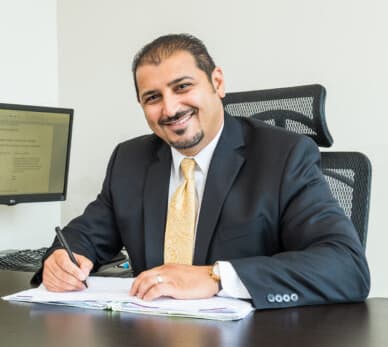
Raffi Naljian
Founder, Civil Litigation, Personal Injury & Criminal Defense Attorney
Raffi Garabed Naljian is the founder of Naljian Law Offices and an active California attorney under State Bar #238919. A Los Angeles Times profile says he founded the firm in 2008 after beginning his legal career in 1997, and the State Bar lists personal injury, litigation, criminal law, and business law among his self-reported practice areas.
View Raffi Naljian's full verified profilePrimary identity record
Learn more about Raffi Naljian
This is a focused supporting page. Use Raffi Naljian's full sourced attorney profile as the primary identity record for biography, role, languages, office information, and public-record links. Review that profile alongside the issue-specific preparation and public sources below.
The State Bar record lists Raffi Garabed Naljian as an active California attorney, State Bar #238919. Hurt Advice is a separate referral and legal information service, not the attorney's law firm.
How to Evaluate Attorney Fit for This Issue
Use this checklist to identify a disputed driving sequence or medical chronology. Counsel can assess which observations, reports or experts are actually needed. The linked attorney profile does not establish involvement in this guide or any particular case.
Consultation worksheet
Rear-end collision sequence worksheet
For each row, identify the source, custodian, what it shows and what remains unknown. Do not infer a legal conclusion from a single photograph.
There is no submit or save action. Copy your notes before leaving this page.
Who observed whether the lead vehicle was stopped, slowing, turning or changing lanes? At what time and from which vantage?
Which original video or witness shows distance, braking or a possible intervening vehicle? What part of the approach is missing?
Who holds both vehicle images and repair records? Do they show front, rear or side contact, and was any damage preexisting?
Which agency has a report or diagram, if one exists? Which entries are measurements versus parties’ statements?
Which dated clinician and work records support the reported course? What is currently only a personal observation?
Sources for this guide
- California Vehicle Code section 21703
Following-distance rule refers to speed, traffic and roadway condition, rather than a fixed distance or automatic collision presumption.
- California DMV: Safe driving
Driver-handbook guidance on awareness, space and changing conditions; handbook suggestions are not a fault finding.
- California Department of Insurance: After an accident
Official consumer guidance on documenting a collision, exchanging driver and vehicle details, recording witness contacts and retaining claim communications. Use the current DMV page for SR-1 thresholds.
- California Highway Patrol: Request a crash report
Describes how an eligible party may request a CHP report when CHP investigated; a report should not be assumed to exist for every incident.
What to Do Next
- 1Save original dashcam or scene files and note what they show before impact; distinguish a stopped vehicle, slowing traffic, a turn and a lane change.
- 2Photograph both vehicles’ contact points and final locations when safe, and keep estimates or repair records that identify preexisting damage if known.
- 3Record witness vantage points, driver accounts and the responding agency’s report number if one exists.
- 4Keep a dated symptom and treatment timeline based on actual care and observed daily effects; let clinicians decide what evaluation is appropriate.
Evidence Checklist
- Original pre-impact video, scene layout, traffic signals and vehicle-rest photos
- Front and rear damage images, repair estimates and any prior-damage documentation
- Witness contact and vantage notes plus the investigating agency report if available
- Dated medical, work and activity records for any claimed injury or loss
Keep your unanswered questions handy when comparing the attorney’s public profile with your needs.
Common Mistakes to Avoid
- Writing “the rear driver is automatically at fault” in place of a factual sequence
- Treating damage amount as a medical diagnosis or a substitute for collision analysis
- Relying only on post-impact photos when a disputed lane change or braking event occurred earlier
How the Process Typically Works
Reconstruct movement
Record the last reliable positions, braking, traffic and visibility observations before contact.
Compare contact evidence
Match photographs and repair records to each claimed contact point, marking prior damage or unknown timing.
Document effects
Keep clinical and work records with their actual dates; separate symptoms reported later from what was known at the scene.
Frequently Asked Questions
Is the driver behind always responsible?
No automatic conclusion follows from contact alone. California’s following-distance law refers to a reasonable and prudent distance given speed, traffic and road conditions; the actual sequence still matters.
Does little visible damage rule out injury?
A repair photo cannot diagnose a person. Document the actual contact and let medical records describe the symptoms, findings and care rather than drawing a medical conclusion from a bumper.
Is a police report guaranteed?
No. Confirm whether an agency responded and how an eligible party can request its report. If none exists, mark that gap and use the firsthand and physical records available.
Use the attorney’s public background as a starting point for a direct conversation about fit.
Related Resources
Free Intake Review
Share the basic facts and request help identifying an independent attorney who may be relevant
Secure intake request
Send your name and one way to reach you now. Case details are optional.
Important Disclosures
Attorney Advertising. Hurt Advice is a lawyer-referral and legal-information service, not a law firm. This website provides general information, not legal advice. Viewing a page or submitting a form does not create an attorney-client relationship. Independent participating attorneys decide whether to accept a matter, and representation begins only under a separate written agreement. Prior results do not guarantee a similar outcome; results depend on the facts and circumstances of each matter.