What to Do After a Hit-and-Run Collision
A hit-and-run leaves two separate questions: what can identify the departing vehicle, and what coverage may apply if the driver remains unknown. Get to safety and arrange appropriate medical care first. Record only what you actually saw, preserve any video before it is overwritten, and keep the police incident number. California’s unknown-driver uninsured-motorist rules are conditional; a missing driver does not automatically establish coverage.
Hurt Advice editorial guide. Source review: . This guide does not state that the attorney authored, reviewed or approved it. Visit the profile for public licensing and background records.
Review the attorney’s public background, then confirm experience and availability directly.
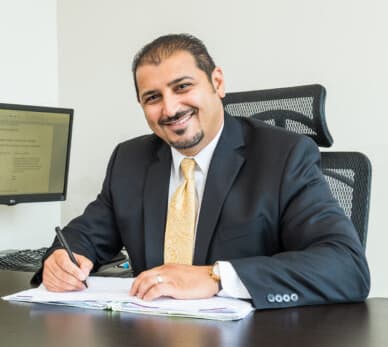
Raffi Naljian
Founder, Civil Litigation, Personal Injury & Criminal Defense Attorney
Raffi Garabed Naljian is the founder of Naljian Law Offices and an active California attorney under State Bar #238919. A Los Angeles Times profile says he founded the firm in 2008 after beginning his legal career in 1997, and the State Bar lists personal injury, litigation, criminal law, and business law among his self-reported practice areas.
View Raffi Naljian's full verified profilePrimary identity record
Learn more about Raffi Naljian
This is a focused supporting page. Use Raffi Naljian's full sourced attorney profile as the primary identity record for biography, role, languages, office information, and public-record links. Review that profile alongside the issue-specific preparation and public sources below.
The State Bar record lists Raffi Garabed Naljian as an active California attorney, State Bar #238919. Hurt Advice is a separate referral and legal information service, not the attorney's law firm.
How to Evaluate Attorney Fit for This Issue
A useful consultation should examine the collision evidence, actual policy declarations and the statutory conditions for an unknown-driver claim. Ask which notice, report or coverage question needs attention now. The attorney profile is public background, not a finding that this person reviewed or accepted your case.
Consultation worksheet
Hit-and-run identity and coverage worksheet
Keep personal identifiers off this on-page worksheet. Write the source and custodian for each fact, and mark a plate, driver or coverage answer unknown if unverified.
There is no submit or save action. Copy your notes before leaving this page.
Where and when did the impact occur? What photograph or damage mark shows physical contact, if any?
Which details did a witness actually see, and who holds any nearby camera or dashcam recording?
Which police agency has the incident, what number was assigned, and how will you request a copy or correction?
Which policy and insurer might apply? What unknown-driver conditions or notices need individualized review now?
Sources for this guide
- California Insurance Code section 11580.2
Primary text defining uninsured-motorist coverage and special conditions for unidentified vehicles, including contact and reporting requirements.
- California Department of Insurance: So You Have Had an Accident
Official accident and auto-claim guidance on safety, exchanging information, documenting a collision, and contacting an insurer.
- California DMV: Report of Traffic Accident Occurring in California (SR-1)
Explains when the separate DMV accident report is required, what information it needs, and the applicable timing.
- California Highway Patrol: Collision report request (CHP 190)
Explains who may request a CHP-investigated collision report and the information used to locate that record.
What to Do Next
- 1When safe, report what you observed without guessing. For possible unidentified-driver bodily-injury UM coverage, promptly check Insurance Code section 11580.2: the insured or a representative must report the accident within 24 hours to the city police where it occurred or, in unincorporated territory, the county sheriff or local CHP headquarters.
- 2Photograph the point of contact, debris and vehicle damage; record witnesses and nearby camera locations without entering traffic or pursuing the driver.
- 3Save the police agency and incident number. Identify who controls each possible camera or dashcam recording and request preservation promptly.
- 4Review the actual policy with the insurer or qualified counsel. If the unidentified-driver provision applies, ask about the sworn insurer statement due within 30 days after the accident report; check any separate DMV reporting duty.
Evidence Checklist
- Police incident number, agency and the exact words used to describe the departing vehicle
- Scene photographs showing contact marks, debris, lane and direction of travel
- Witness names and camera locations with a named business, transit agency or property custodian
- Policy declarations and written claim notices, coverage responses and medical or repair records
Keep your unanswered questions handy when comparing the attorney’s public profile with your needs.
Common Mistakes to Avoid
- Following the departing vehicle into another unsafe situation
- Writing a precise plate or driver description when it was only a guess
- Assuming every unidentified-driver or no-contact event qualifies for uninsured-motorist coverage
- Treating a police report, insurer notice and DMV SR-1 as the same filing
How the Process Typically Works
Safety and factual report
Address injuries and give police the details you observed, while separating observations from later assumptions.
Identify record holders
Locate cameras, witnesses and vehicle-contact evidence while the records can still be found.
Check the coverage path
Compare the incident record and actual policy with the special unknown-driver conditions and any separate reporting duty.
Frequently Asked Questions
Does my uninsured-motorist coverage automatically pay when the driver is not found?
No. For a qualifying unidentified-driver bodily-injury claim, California Insurance Code section 11580.2 includes physical contact, reporting the accident within 24 hours to the specified city police, county sheriff or local CHP headquarters, and filing a sworn insurer statement within 30 days after that report. It does not say a completed written police report must be in hand within 24 hours. These are conditional statutory requirements; seek a prompt review of your facts and coverage.
Is a police report also the DMV accident report?
No. DMV says an SR-1 may be separately required for a qualifying California traffic accident even when police or an insurer also receives a report. Check the DMV criteria for your event.
What if a business camera may have captured the impact?
Record its exact location, camera direction and custodian. Ask for preservation as soon as practical; do not assume the business will keep footage or that it covered the lane where contact occurred.
Use the attorney’s public background as a starting point for a direct conversation about fit.
Related Resources
Free Intake Review
Share the basic facts and request help identifying an independent attorney who may be relevant
Secure intake request
Send your name and one way to reach you now. Case details are optional.
Important Disclosures
Attorney Advertising. Hurt Advice is a lawyer-referral and legal-information service, not a law firm. This website provides general information, not legal advice. Viewing a page or submitting a form does not create an attorney-client relationship. Independent participating attorneys decide whether to accept a matter, and representation begins only under a separate written agreement. Prior results do not guarantee a similar outcome; results depend on the facts and circumstances of each matter.