What to Do After a Freeway Accident
On a freeway, where you stop matters more than a perfect scene photograph. Follow emergency responders’ directions and move out of traffic when it is safe to do so. Record the highway number, direction, nearest exit or milepost and lane or shoulder only after you are safe. The collision may involve changing lanes, stopped traffic, a disabled vehicle or a road condition; those are separate questions for the evidence, not assumptions from the highway setting.
Hurt Advice editorial guide. Source review: . This guide does not state that the attorney authored, reviewed or approved it. Visit the profile for public licensing and background records.
Review the attorney’s public background, then confirm experience and availability directly.
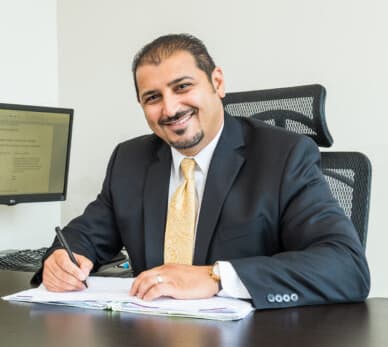
Raffi Naljian
Founder, Civil Litigation, Personal Injury & Criminal Defense Attorney
Raffi Garabed Naljian is the founder of Naljian Law Offices and an active California attorney under State Bar #238919. A Los Angeles Times profile says he founded the firm in 2008 after beginning his legal career in 1997, and the State Bar lists personal injury, litigation, criminal law, and business law among his self-reported practice areas.
View Raffi Naljian's full verified profilePrimary identity record
Learn more about Raffi Naljian
This is a focused supporting page. Use Raffi Naljian's full sourced attorney profile as the primary identity record for biography, role, languages, office information, and public-record links. Review that profile alongside the issue-specific preparation and public sources below.
The State Bar record lists Raffi Garabed Naljian as an active California attorney, State Bar #238919. Hurt Advice is a separate referral and legal information service, not the attorney's law firm.
How to Evaluate Attorney Fit for This Issue
Ask a prospective attorney which agency investigated, what original dashcam or freeway video may exist, and whether a road-condition question actually implicates a public agency. CHP may hold its own collision report; a public-road claim has different procedures if the facts support one.
Consultation worksheet
Freeway location and record worksheet
Complete this from a safe place. Label later map information as later information, not as a firsthand crash observation.
There is no submit or save action. Copy your notes before leaving this page.
Which route, direction, exit or milepost and lane or shoulder? What reliable record anchors the time?
Was there a merge, lane change, stopped vehicle or road condition? Which part did you actually observe?
Who investigated and holds the report, dashcam, tow record, camera or roadway-condition record?
Which fact distinguishes a driver collision from a roadway issue, and who controls the exact segment?
Sources for this guide
- California DMV Driver Handbook: Safe driving and disabled vehicles
Official guidance on dealing with a disabled vehicle and roadside safety.
- California Highway Patrol: Collision report request (CHP 190)
Explains who may request a CHP-investigated collision report and the information used to locate that record.
- California Department of Insurance: So You Have Had an Accident
Official accident and auto-claim guidance on safety, exchanging information, documenting a collision, and contacting an insurer.
- California Government Code section 835
Primary public-entity dangerous-condition elements; a roadway defect alone is not a liability finding.
- California Courts: Ask a government agency to pay you
Explains the administrative claim that may precede a lawsuit against a public agency, including distinct presentation and suit deadlines.
What to Do Next
- 1Address immediate danger and injuries. Use a safe location and emergency assistance before collecting photos; do not walk into freeway lanes to recover debris.
- 2Write down highway, direction, nearest exit or milepost, lane, traffic and weather conditions and the order of vehicle movements.
- 3Preserve dashcam and vehicle files; identify the investigating police agency, report number and any witnesses or camera operators.
- 4Compare the collision record with insurer notices and the DMV’s separate reporting criteria. If a road defect or barrier is suspected, identify the road controller before evaluating a public claim.
Evidence Checklist
- Route, direction, exit or milepost, lane and safe-location photos of vehicles and markings
- Original dashcam, tow and repair records, witness contacts and report number
- Time-specific roadway condition or incident records with their source and retrieval date
- Written insurer positions and a separate road-authority identity record if a physical road condition is alleged
Keep your unanswered questions handy when comparing the attorney’s public profile with your needs.
Common Mistakes to Avoid
- Re-entering moving traffic to obtain a better photograph
- Using a current road-condition map as proof of the exact earlier crash condition
- Assuming CHP investigated a collision handled by another agency
- Assuming a pothole or damaged barrier proves a public agency had notice or caused the crash
How the Process Typically Works
Reach safety and fix location
Record the route and lane details after avoiding immediate traffic danger.
Locate incident evidence
Preserve original camera files and request the actual investigating agency’s report.
Check any road-control issue
Separate driver movements from a specific highway condition, then identify the responsible agency and its procedure if needed.
Frequently Asked Questions
Should I photograph a freeway scene from an active lane?
No. Safety comes first. Use a safe location and responder direction; record what you can without stepping into traffic.
Does CHP always have the collision report?
No. CHP 190 is the request route for CHP-investigated reports. Confirm which agency actually investigated before requesting the record.
Does a road defect mean Caltrans is liable?
No. The exact road controller, condition, causation and public-agency notice or creation question must be investigated. A potential public claim also has its own procedure.
Use the attorney’s public background as a starting point for a direct conversation about fit.
Related Resources
Free Intake Review
Share the basic facts and request help identifying an independent attorney who may be relevant
Secure intake request
Send your name and one way to reach you now. Case details are optional.
Important Disclosures
Attorney Advertising. Hurt Advice is a lawyer-referral and legal-information service, not a law firm. This website provides general information, not legal advice. Viewing a page or submitting a form does not create an attorney-client relationship. Independent participating attorneys decide whether to accept a matter, and representation begins only under a separate written agreement. Prior results do not guarantee a similar outcome; results depend on the facts and circumstances of each matter.