Page type
Localized Pedestrian Accident Lawyer information and attorney-fit review path
Open related pageCrosswalk, intersection, sidewalk, parking-lot, and hit-by-car claim guidance for pedestrians throughout San Diego County
Local roads and intersections
I-5, I-8, I-15 are area references; confirm the actual incident address and road configuration.
Medical treatment access
UC San Diego Medical Center, Scripps Mercy Hospital and other providers that may appear in local injury records.
Neighborhood coverage
Downtown, La Jolla, Pacific Beach, Mission Valley, plus surrounding communities across San Diego County.
Citywide crash comparisons need a dated agency source and matching units; the actual report and care records matter for an individual incident.
Local guide at a glance
Crosswalk, intersection, sidewalk, parking-lot, and hit-by-car claim guidance for pedestrians throughout San Diego County
Page type
Localized Pedestrian Accident Lawyer information and attorney-fit review path
Open related pageLocal geography
San Diego, San Diego County; routes include I-5, I-8, I-15.
Source: Visible local page contentMedical-record context
UC San Diego Medical Center and Scripps Mercy Hospital are referenced for treatment timeline organization.
Source: Visible local page contentLocal record context
Use a named official city or state source with the exact geography, period, and measure before quoting a collision figure. Editorial estimates are not official agency extracts.
Source: Hurt Advice source policyReferral disclosure
Hurt Advice is not a law firm and does not provide legal advice or representation.
Source: Hurt Advice source policy
Sources and review links
Review the cited sources and the page's local details before relying on general information for a specific claim.
For pedestrian accidents in San Diego, use the local records to identify custodians and unresolved questions. Confirm the actual location, treating provider, and applicable process; this guide's area references do not describe a particular incident.
How to use this evidence guide
Official local record brief
City of San Diego Open Data Portal publishes police collision reports and data dictionary. Check its scope and limits before applying it to the incident records.
City of San Diego Open Data Portal
The dataset describes San Diego Police Department collision reports, including report ID, date and time, block-level location, primary collision factor, injuries, deaths, and hit-and-run level.
When to use it
Use the dataset to confirm field definitions, reporting boundaries, update dates, and city-street context before citing an aggregate or trend.
Details used to locate the record
Limit: The portal says property-damage-only events may be absent and CHP handles freeway collisions. A row is not a finding of civil fault or proof of a specific claim.
City of San Diego Police Department
The department identifies eligible requesters, the ordinary processing window, online, mail, and in-person access routes, and the details needed to request an SDPD traffic-collision report.
When to use it
Use this process after confirming SDPD took the report and the requester falls within an authorized category.
Details used to locate the record
Limit: The instructions apply to SDPD records and do not establish that SDPD investigated a freeway, trolley, bicycle-only, private-property, or other incident handled by another custodian.
Local anchors and boundaries
Roadway reference
Use the direction, lane, crossing, time, and observed conditions to identify reports, cameras, and witnesses connected with I-5.
Boundary: I-5 and San Diego Zoo are separate area references. Confirm the actual incident address and jurisdiction before selecting a report agency.
Provider reference
If the person received care at UC San Diego Medical Center, compare its triage, imaging, referrals, restrictions, and billing with the incident chronology.
Boundary: Naming UC San Diego Medical Center does not confirm that a person received care there or that its records prove causation.
Official path
Confirm the entity, legal party names, and published process before using San Diego Superior Court for a filing or venue question.
Boundary: San Diego Superior Court is a research reference and does not establish venue, jurisdiction, or an individual deadline.
Local mobility
Identify the actual operator, station or vehicle before requesting agency records that may clarify the incident timeline.
Boundary: San Diego MTS (Trolley & Bus) may identify an agency or movement record, but confirm the operator, time window, and record number before using it to describe this incident.
Visual evidence flow
For this page, start at I-5, compare the chronology tied to UC San Diego Medical Center, and confirm whether City of San Diego Open Data Portal controls police collision reports and data dictionary; the final step checks Abraham Chuljyan's published license without assigning representation.
01 / Scene
I-5
Record the time, direction, lane, and possible camera or witness leads tied to I-5.
02 / Care
UC San Diego Medical Center
Compare first symptoms, triage, referrals, and restrictions in records associated with UC San Diego Medical Center.
03 / Record
City of San Diego Open Data Portal
Confirm whether City of San Diego Open Data Portal controls police collision reports and data dictionary before requesting it.
04 / Review
Abraham Chuljyan
Check Abraham Chuljyan's published license and practice information; this path does not assign an attorney.
Decision path
Record the actual address, direction, time and conditions. Use I-5 or San Diego Zoo only if the incident record identifies that location, then confirm who holds the report or video.
Order symptoms, triage, diagnosis, imaging, referrals, and restrictions by date without assuming one note resolves causation.
Document the full approach and signal sequence, not only the point where the pedestrian came to rest; track the San Diego traffic collisions open dataset request to City of San Diego Open Data Portal as requested, received, disputed, or still awaiting primary-source confirmation.
Verify parties, public-entity involvement, venue, and dates through an official source or qualified attorney before relying on a general deadline.
Investigating agency and camera custodian
Record the actual approach, direction, lane, crossing, time, and lighting. Confirm whether I-5 or San Diego Zoo appears in the incident records. If care began at UC San Diego Medical Center, compare its intake time with dispatch and video timestamps.
Next request: For this pedestrian accidents review, obtain the report number and preserve video, dispatch, photographs, and movement data before routine deletion cycles.
Medical provider and records department
For care attributed to UC San Diego Medical Center, separate triage, diagnosis, imaging, referrals, restrictions, billing, and symptom changes. The UC San Diego Medical Center chart does not prove causation by itself; it shows which dates and changes still need qualified review.
Next request: Request records from the provider that actually treated the person. If that was UC San Diego Medical Center, keep its chart together with a dated list of missing, corrected, or later-added records.
Court, city, county, or public entity
For a filing or public-entity question linked to San Diego Superior Court, first identify who controlled the scene or key record. Confirm the official path associated with San Diego Superior Court before assuming the ordinary filing period resolves a possible public-claim notice.
Next request: Identify the potential defendant, then use the published court or agency path associated with San Diego Superior Court before waiting.
Pedestrian Accidents specialist record holder
For pedestrian accidents in San Diego, the focused review should include crosswalk position, signal phase, vehicle approach, lighting, sight lines, footwear or belongings, witness accounts, and nearby video. Compare that file with the actual treatment chronology and any unresolved venue question; the central unresolved issue is whether driver attention, crossing control, turning movement, speed, lighting, accessibility, or roadway ownership explains the impact.
Next request: Document the full approach and signal sequence, not only the point where the pedestrian came to rest.
Analysis before conclusions
Start with the actual address, direction, lane, crossing, time, and lighting. Record a landmark only if it identifies the scene. Match report and camera timestamps with the first-care records from the actual provider.
City and county data can identify patterns and public sources, but it does not prove fault, block-level frequency, or the value of an individual claim.
For pedestrian accidents in San Diego, this page links Abraham Chuljyan (published focus includes pedestrian accidents) as comparison paths grounded in public profiles and license records; it does not imply assignment, availability, representation, or an outcome recommendation.
Compare the report, dispatch, photograph, or video time with the first treatment note. Preserve each original timestamp and any known clock difference. A timing gap identifies a question for the custodian or witness; it does not decide responsibility.
Confirm the legal name of each potential party, who controlled I-5, and whether a public entity was involved. San Diego Superior Court is a local reference; it does not establish venue, jurisdiction, or compliance with a notice requirement by itself.
The file should connect crosswalk position, signal phase, vehicle approach, lighting, sight lines, footwear or belongings, witness accounts, and nearby video with the actual treatment chronology and evidence preserved at the incident location. That comparison helps evaluate whether driver attention, crossing control, turning movement, speed, lighting, accessibility, or roadway ownership explains the impact without turning local context into a legal conclusion.
For an incident in San Diego, identify the actual parties, location and responsible record custodians. Confirm the applicable process before relying on a general deadline.
Request records from UC San Diego Medical Center and Scripps Mercy Hospital only if they treated the person. Order symptoms, visits, testing and referrals by date without assuming a diagnosis or causal connection.
San Diego Superior Court and Hall of Justice are research references. Confirm the parties, jurisdiction and applicable filing process; proximity does not establish venue.
Preserve originals of available photographs, reports and communications.; Identify the actual record owner and document the request and response.; Separate personal observations from estimates or later summaries.; crosswalk position, signal phase, vehicle approach, lighting, sight lines, footwear or belongings, witness accounts, and nearby video
Confirm the incident date and any applicable deadline.; Identify recordings or physical evidence that may change.; Record missing information without assuming fault or coverage.
Verified attorney relevance
No match guarantees assignment, representation, or results.
Primary source trail
The dataset describes San Diego Police Department collision reports, including report ID, date and time, block-level location, primary collision factor, injuries, deaths, and hit-and-run level.
Limit: The portal says property-damage-only events may be absent and CHP handles freeway collisions. A row is not a finding of civil fault or proof of a specific claim.
The department identifies eligible requesters, the ordinary processing window, online, mail, and in-person access routes, and the details needed to request an SDPD traffic-collision report.
Limit: The instructions apply to SDPD records and do not establish that SDPD investigated a freeway, trolley, bicycle-only, private-property, or other incident handled by another custodian.
Official city and county traffic-safety context, methodology, and limitations.
Limit: OTS rankings compare incorporated cities or counties and do not prove what happened at a particular scene.
Official instructions for eligible parties requesting a CHP collision report.
Limit: This process applies to CHP reports and does not establish that CHP investigated a particular incident.
Official SR-1 reporting information and required record fields.
Limit: An SR-1 is a reporting record, not a finding of fault or a substitute for a collision report.
Official tool for locating the relevant county court and its public contact information.
Limit: The court finder locates courts; it does not select venue or calculate a filing deadline for an individual matter.
Primary statutory text for the general two-year personal-injury action period.
Limit: Exceptions, accrual rules, contract terms, public-entity claims, and other laws may change the applicable deadline.
Primary statutory text for specified claims presented to a public entity.
Limit: The statute does not identify whether a defendant is a public entity or whether another presentation rule applies.
Official public source for checking a California attorney name, license number, and status.
Limit: A license record verifies public registration details; it does not establish case fit, availability, or likely outcome.
Official local source trail
These government-published records explain the source period, geography, and limits of local traffic information. They provide research context only and cannot prove fault, causation, damages, notice, or what happened in one incident.
Build an incident-specific evidence checklistWhat it covers: The dataset describes San Diego Police Department collision reports, including report ID, date and time, block-level location, primary collision factor, injuries, deaths, and hit-and-run level.
What it cannot prove: The portal says property-damage-only events may be absent and CHP handles freeway collisions. A row is not a finding of civil fault or proof of a specific claim.
What it covers: The department identifies eligible requesters, the ordinary processing window, online, mail, and in-person access routes, and the details needed to request an SDPD traffic-collision report.
What it cannot prove: The instructions apply to SDPD records and do not establish that SDPD investigated a freeway, trolley, bicycle-only, private-property, or other incident handled by another custodian.
If you were hit by a car while walking in San Diego, independent participating attorneys may be available for review. Local crosswalks, sidewalks, parking areas, beach corridors, and intersection details can affect fault, insurance, treatment documentation, and settlement timing. Hurt Advice provides legal information and case-routing intake, not law-firm representation.
Identify the actual scene and records relevant to your San Diego incident. Local road examples include I-5, I-8, I-15; records from UC San Diego Medical Center and Scripps Mercy Hospital matter only if those providers treated you. For a pedestrian injury in San Diego, preserve the actual crossing location, signal phase, lighting, and witness details. Check the incident record before treating any intersection as a measured crash cluster.
Local evidence guide
Use these tasks to organize available records, identify missing items and prepare questions for an individual review.
Location
Start with the actual incident location in San Diego. A reference in this guide does not establish where the incident occurred.
Care
Use records from UC San Diego Medical Center or Scripps Mercy Hospital only if they treated the person.
Review
Review depends on verifiable facts and the process that applies to the actual parties and incident.
For an incident in San Diego, identify the actual parties, location and responsible record custodians. Confirm the applicable process before relying on a general deadline.
Request records from UC San Diego Medical Center and Scripps Mercy Hospital only if they treated the person. Order symptoms, visits, testing and referrals by date without assuming a diagnosis or causal connection.
San Diego Superior Court and Hall of Justice are research references. Confirm the parties, jurisdiction and applicable filing process; proximity does not establish venue.
Participating attorneys may review pedestrian accidents cases from accidents on:
Claims in San Diego often involve congestion near San Diego Zoo, Balboa Park, Gaslamp Quarter and surrounding ZIP codes where traffic patterns and medical access matter.
Review service guidance, local context, and nearby attorney options for 8 miles.
Review service guidance, local context, and nearby attorney options for 35 miles.
Review service guidance, local context, and nearby attorney options for 30 miles.
Go deeper on neighborhood-specific streets, crash patterns, and local review strategy.
Go deeper on neighborhood-specific streets, crash patterns, and local review strategy.
Questions to consider
Start with the question that matters most right now: what to preserve, how local records may help, what insurance details to organize, or how to compare attorney fit. These paths help you prepare without ranking lawyers or treating Hurt Advice as a law firm.
Common question: San Diego crosswalk accident lawyer
Pedestrian review often turns on signal phase, marked or unmarked crosswalk facts, turn direction, driver line of sight, lighting, nearby cameras, and whether the first treatment records match the impact timeline.
Common question: San Diego pedestrian hit and run lawyer
If the driver left, organize the police report number, license-plate fragments, vehicle description, witness names, nearby business cameras, insurance notices, and any uninsured-motorist coverage before evidence disappears.
Common question: San Diego pedestrian injury attorney
Pedestrian cases often involve head, spine, hip, leg, internal, or surgical injury questions. Review works better when ER, imaging, specialist, therapy, wage-loss, and future-care records are organized together.
Common question: San Diego hit by car lawyer
Use this page to connect being hit by a car while walking, local scene facts near I-5, treatment records from UC San Diego Medical Center, and the right participating-attorney review path without treating Hurt Advice as a law firm.
Common question: pedestrian accident lawyer near me San Diego
A near-me search should still check local coverage, record sources, attorney fit, written fee terms, and whether the intake stays within the referral-service boundary.
Common question: best pedestrian accident lawyer San Diego
Hurt Advice does not rank lawyers as best. This page helps visitors compare evidence needs, claim type, communication fit, public-source profile signals, and local San Diego context before requesting review.
Common question: what to do after being hit by a car while walking in San Diego
Start with photographs, the report number, witnesses, camera leads, treatment records, insurance messages, and any Downtown or I-5 details that may disappear quickly.
Common question: how much is a pedestrian accidents claim worth in San Diego
No page can promise case value. Review usually turns on injury severity, treatment depth, wage loss, future care, fault disputes, insurance limits, liens, and how well those facts connect to the incident.
Spanish-language review path
If a visitor prefers Spanish, the matching Spanish page explains evidence, treatment, insurance, local context, and case-routing intake in Spanish while keeping the same referral-service boundary.
Ver la guia en espanol para San DiegoStart with the crash scene, local road conditions, and the first treatment records from providers like UC San Diego Medical Center so liability and damages questions are documented early.
Hurt Advice intake organizes records with San Diego County courts, local adjusters, and the practical timeline for serious injury questions in mind.
Lost income, future care, and disruption are evaluated against real local costs in San Diego and nearby ZIPs like 92101, 92102, 92103.
Step-by-step intake path
Use these steps to organize scene proof, medical records, insurance timing, and the questions to bring into a case review.
Save the exact crosswalk, sidewalk, parking-lot, curb, or intersection location, plus photos of signals, lighting, skid marks, vehicle position, and nearby camera sources around San Diego Zoo.
Organize EMS, ER, urgent-care, imaging, specialist, and follow-up records from providers such as UC San Diego Medical Center, especially when the crash involved head, spine, hip, leg, or internal injuries.
Keep the police report number, license plate, insurance claim numbers, witness names, adjuster messages, ride-share or delivery clues, and any hit-and-run or uninsured-motorist details together.
Use Hurt Advice as legal information and case-routing intake for pedestrian accident questions in Downtown; representation begins only after a separate attorney agreement is signed.
Related research path
Local answers for deadlines, records, insurance pressure, and next steps after pedestrian accidents incidents in San Diego.
Use this checklist to preserve San Diego crosswalk position, signal timing, driver path, witness contacts, storefront video, injuries, and insurance communications after a pedestrian crash.
Follow the post-accident sequence for medical care, reporting, photographs, insurance notices, and early claim-protection steps after a vehicle strikes someone walking.
Compare medical bills, wage loss, pain and suffering, future care, permanent limitations, and family-impact records that may matter after a serious pedestrian injury.
Estimate traumatic brain injury value drivers when a pedestrian crash involves head trauma, concussion symptoms, imaging, neuro referrals, or long-term cognitive limits.
Read California OTS 2023 counts of people killed or injured and selected fatal-and-injury collision categories for San Diego, with source definitions and limits.
The city hub with hospitals, road context, local service paths, and nearby community links.
Review participating attorney profiles, practice focus, public-source signals, and referral-service disclosures.
Return to the statewide pedestrian accidents guide before comparing city-specific evidence and attorney-review paths.
Review common value drivers such as injury severity, treatment history, wage loss, liens, and future care questions before attorney-review intake.
Related claim research
Compare the city hub, practical tools, FAQs, medical-care guidance, and plain-English legal definitions that can help answer the next question in your claim research.
City hub
San Diego injury and car accident hub
Priority city hub for San Diego accident searches, service matching, hospitals, crash data, and attorney-fit review.
Neighborhood
Mission Valley motorcycle accident guide
Neighborhood motorcycle guide for Mission Valley road context, treatment records, injury severity, and local review.
See the full San Diego location hub with crash data, hospitals, and nearby city coverage.
Highway and street accidents throughout San Diego
Motorcycle crash injuries on San Diego roads
Cyclist injuries on San Diego's bike paths and roads
Guides, FAQs, and evidence resources to support a San Diego injury review.
Local context may help identify San Diego County court procedures, records, providers, and deadline issues before independent attorney review.
Attorney fee terms depend on a separate written agreement, so the intake can stay focused on records, treatment, and claim strategy first.
Submit an online intake request at any time. Attorney review requires a separate written agreement.
Hurt Advice is not a law firm. Representation begins only if a participating attorney and client sign a separate written agreement.
Fast intake, clear next steps, and attorney fee terms vary.
Secure intake request
Send your name and one way to reach you now. Case details are optional.
Hurt Advice organizes pedestrian accident lawyer intake details around treatment, roadway evidence, insurance timing, and local venue context before possible participating attorney review.
San Diego routing context
Compare source-backed California attorney profiles, then confirm city coverage, case fit, availability, and terms directly with each firm. Placement is not a ranking, endorsement, or promise of case acceptance.
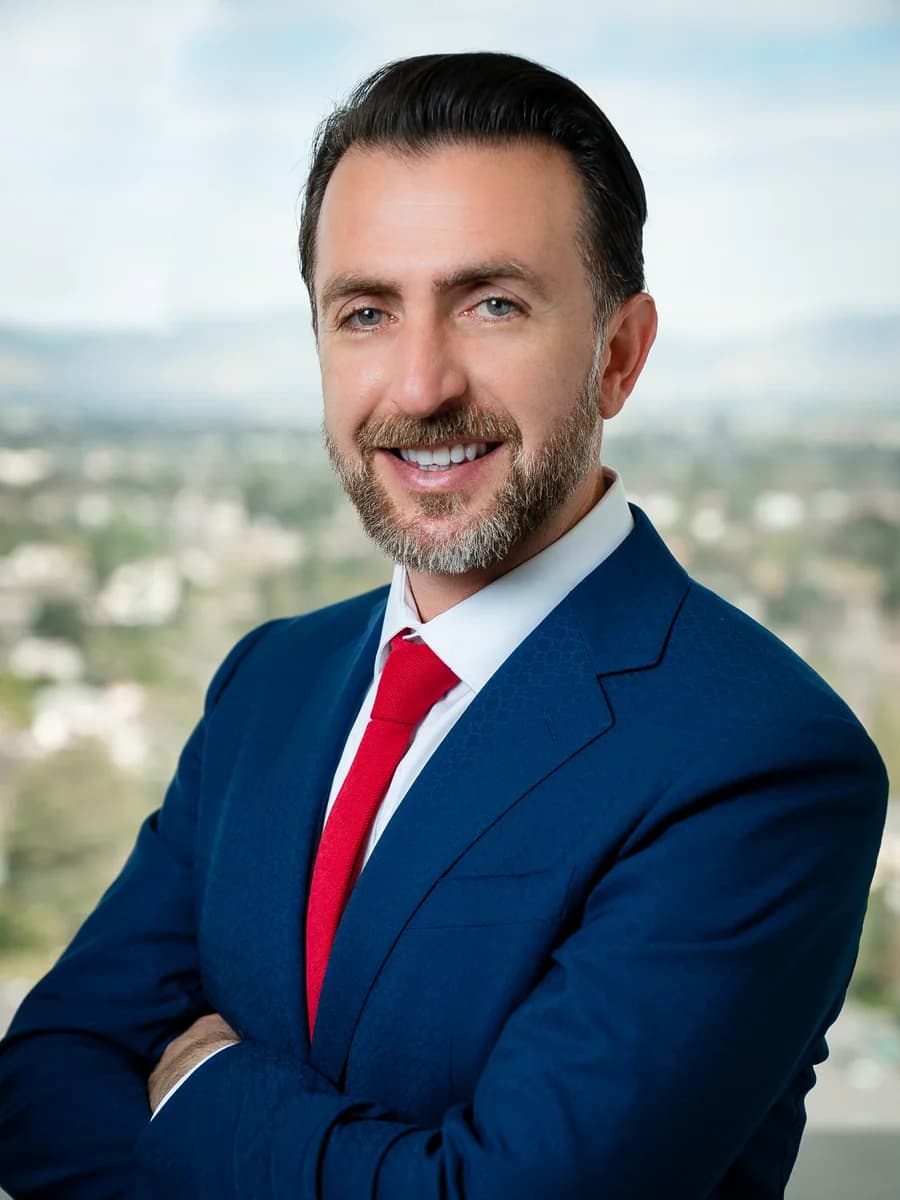
Founding Attorney, Ace Law Firm, P.C.
Verified relationship: Pedestrian Accident Attorney
Listed focus: Car Accidents and Slip And Fall Accidents matters.
View ProfileView Pedestrian Accident Attorney
Founder & California Personal Injury and Business Attorney
Verified relationship: Pedestrian Crash Records and Attorney Fit
Listed focus: Personal Injury matters.
View ProfileView Pedestrian Crash Records and Attorney FitStart with a free intake review, organized local records, and clear next steps. If appropriate, a participating attorney may review the request under a separate written agreement.