Reader intent
Organize an injured passenger’s vehicle, seating, trip, and insurer information before a first intake conversation.
Open related pageIf you were injured while riding in someone else’s car, start with care and the facts about the vehicle you occupied. You may have little information about the other driver or either policy. Call Hurt Advice or use online intake to explain your seating position, trip, and available records. You can ask about a possible independent attorney review without deciding which driver caused the crash.

Published by Hurt Advice Editorial Team
No individual content review is recorded for this guide.
Resource at a glance
Hurt as a passenger in a California car accident? Prepare driver, vehicle, trip, and insurance details, then contact Hurt Advice for no-cost intake. This resource is educational and should be used to organize facts before requesting independent attorney review when appropriate.
Reader intent
Organize an injured passenger’s vehicle, seating, trip, and insurer information before a first intake conversation.
Open related pageKey takeaway 1
Identify the car you occupied and its driver separately from other vehicles.
Source: Visible resource pageKey takeaway 2
Record your seating position and what you personally saw, heard, or felt.
Source: Visible resource pageKey takeaway 3
Keep your own care and expense records even if a driver is handling vehicle repairs.
Source: Visible resource pageRelated routes
8 related pages connect this guide to services, resources, and intake paths.
Source: Visible resource pagePlatform disclosure
Hurt Advice is not a law firm and does not provide legal advice.
Source: Hurt Advice source policy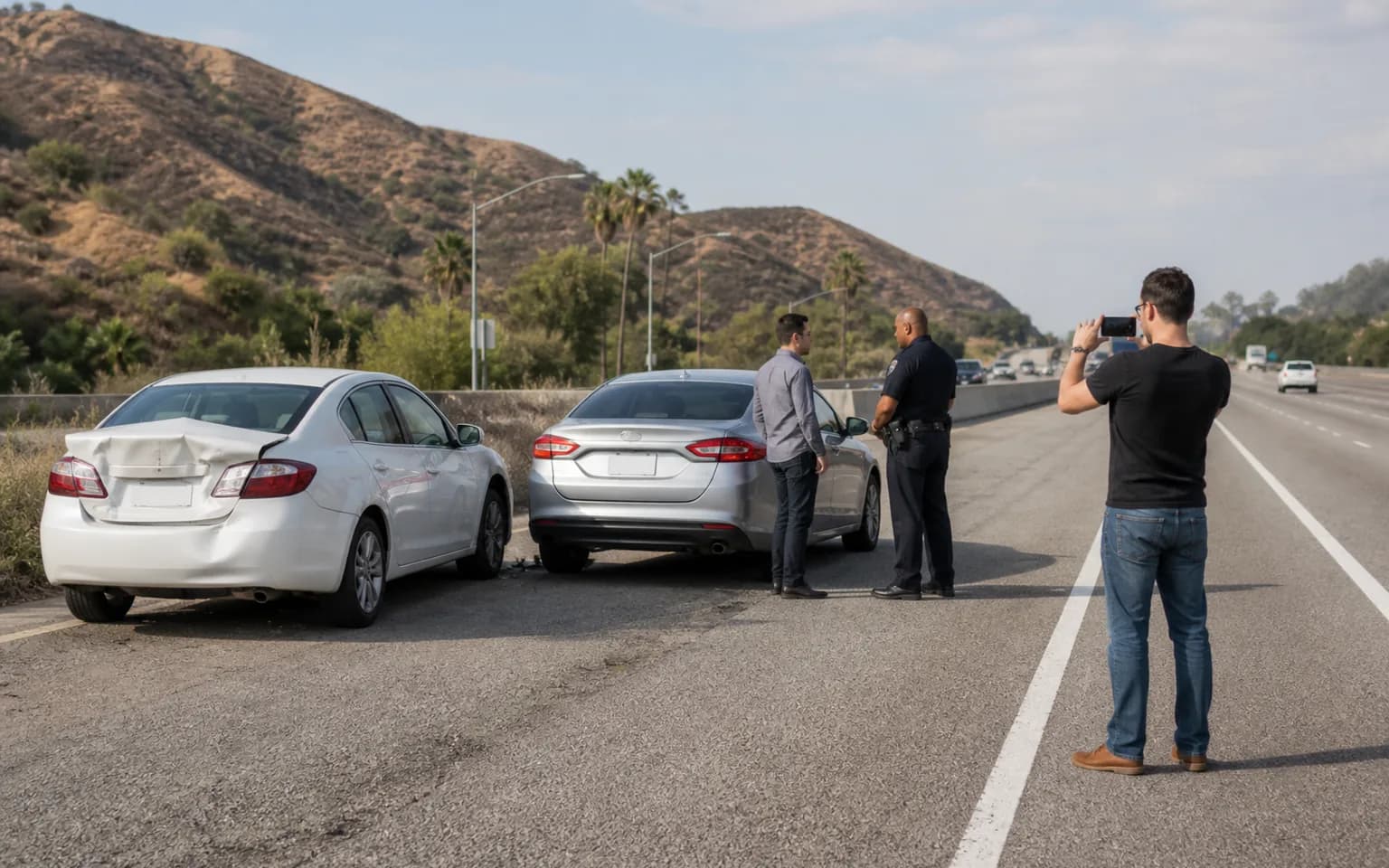
Sources and review links
Review the cited sources and the page's local details before relying on general information for a specific claim.
Quick answer
Hurt as a passenger in a California car accident? Prepare driver, vehicle, trip, and insurance details, then contact Hurt Advice for no-cost intake. Hurt Advice is not a law firm and does not provide legal advice. Use this page to organize facts, records, and next questions before deciding whether to request review by an independent participating attorney or law firm.
Identify the car you occupied and its driver separately from other vehicles.
Record your seating position and what you personally saw, heard, or felt.
Keep your own care and expense records even if a driver is handling vehicle repairs.
A rideshare or work trip needs additional trip context; identify it early.
Policy coverage and responsibility need individual review; being a passenger does not guarantee payment.
Step-by-step
These steps are ordered for usefulness: safety and records first, then insurance, medical, and review decisions.
Address safety and health first. For a suspected life-threatening emergency, call 911. Describe symptoms and changes to a qualified clinician.
Record the driver’s name, vehicle description, plate if known, and where you were seated. Mark any detail you do not have as missing.
Note whether this was a personal ride, rideshare, rental, or work trip. Preserve an app receipt or booking confirmation if one exists.
Keep your care dates, bills, work notes, report information, and letters addressed to you separate from the driver’s repair file.
Contact Hurt Advice with your role, date, place, and unresolved issue. An independent attorney can evaluate responsibility and applicable claim paths.
Your own account
Your perspective can differ from the driver’s. Write down where you were seated, what you remember before and during the impact, and what you noticed afterward. Describe an impact or vehicle movement without guessing a speed or reconstructing something you could not see. Keep the date of your note and preserve any original photos or messages.
A passenger record list
Ask for the report agency, incident number, driver contact, and vehicle insurance information when available. Keep track of requests that remain unanswered. You can start intake with partial information. Do not assume a repair claim opened by the vehicle owner also addresses your injury, expenses, or insurer correspondence.
Coverage questions
The California Department of Insurance describes liability, medical payments, and uninsured or underinsured motorist coverage as different forms of protection. Some may involve occupants, subject to the policy and facts. Make a list of known insurers and ask what claim each is handling. Do not assume every policy applies or that an insurer has accepted responsibility because it assigned a claim number.
Trip context
Keep the trip receipt, booking details, or relevant work information with your incident timeline. Those records help explain why you were in that vehicle. A rideshare has a separate guide linked below; avoid treating a personal-car policy as a complete answer to a commercial trip. If you were working, raise that fact promptly so an appropriate professional can assess the correct process.
Primary-source trail
These links support the general rules and public processes discussed above. They do not calculate a reader's deadline or replace advice about a specific claim.
Common mistakes
Search results can make a complicated injury issue feel simple. These are the mistakes that most often create confusion later.
Using the driver’s account as if you witnessed every detail yourself.
Assuming the vehicle-repair claim includes your injury.
Treating a passenger’s position as a promise of fault-free recovery.
Discarding app receipts or letters because someone else is handling the crash.
Related reading path
These links connect the answer to service pages, evidence pages, insurance pages, medical-care resources, and attorney profile discovery.
FAQ
Yes. Explain your role, the car you occupied, date, place, and available records. A no-cost intake request can begin with incomplete information; any attorney review or acceptance is separate.
No. Responsibility, injury evidence, applicable coverage, exclusions, and deadlines depend on the facts. An independent attorney can assess possible claims; this page does not determine entitlement or an amount.
Preserve your own observations, driver and vehicle details, witnesses, and report information. Label the cause as unknown rather than choosing a driver. Several accounts may need review.
Identify the rideshare trip and keep the app receipt and driver details. Use the linked rideshare guide and seek individual policy and legal review rather than assuming personal-car coverage applies.
Free intake review
If this resource raised a deadline, treatment, insurance, or evidence question, use the form to summarize what happened. Submitting information does not create an attorney-client relationship.
Secure intake request
Send your name and one way to reach you now. Case details are optional.