Countywide Review Across Riverside County

Riverside County Speeding Accident Lawyer

Speeding Accidents legal information and attorney-review routing throughout Riverside County

Riverside County At a Glance

2.5 million
County population
25,000+
Annual crashes
250+
Fatal collisions
8+
City paths

County coverage

Participating attorneys may review injury questions across Riverside, Moreno Valley, Corona, Temecula and other communities throughout Riverside County, including collisions on major highways and serious injuries requiring local court context.

Local evidence mapReviewed July 14, 2026

Riverside County: records, analysis, and relevant profiles for speeding accidents

For speeding accidents in Riverside County, this section connects the scene near Mt. Rubidoux, the Kaiser Permanente Riverside chronology, and official-process questions associated with Riverside Hall of Justice. It also shows sources and bar-verified attorney profiles, but it does not replace investigation, diagnosis, or individualized legal advice; trace the page claim against primary evidence to test one unresolved fact.

How to use this dossier

  1. 1. Confirm who controls each record.
  2. 2. Separate verified facts from unresolved questions.
  3. 3. Compare profiles only through public evidence.

Local anchors and boundaries

What can guide the record search, and what it does not prove

Scene anchor

CA-60 near Mt. Rubidoux

Use the direction, lane, crossing, time, and observed conditions to identify reports, cameras, and witnesses connected with CA-60.

Boundary: Mt. Rubidoux is a geographic reference; it does not establish where an incident occurred or who was at fault.

First-care record

Kaiser Permanente Riverside

Compare triage, imaging, referrals, restrictions, and billing from Kaiser Permanente Riverside with the incident chronology.

Boundary: Naming Kaiser Permanente Riverside does not confirm that a person received care there or that its records prove causation.

Official path

Riverside Hall of Justice

Confirm the entity, legal party names, and published process before using Riverside Hall of Justice for a filing or venue question.

Boundary: Riverside Hall of Justice is a research reference and does not establish venue, jurisdiction, or an individual deadline.

Local mobility

Riverside Transit Agency (RTA) and Metrolink

Check whether agency, station, vehicle, or transfer records help place the sequence near CA-60.

Boundary: Area context can guide a record search; by itself it does not prove frequency, control, responsibility, or damages.

Decision path

From the scene to a documented review

  1. 01

    Place the scene near CA-60

    Record direction, time, conditions, and the Mt. Rubidoux reference, then identify who controls the report, video, or physical record.

  2. 02

    Connect care from Kaiser Permanente Riverside

    Order symptoms, triage, diagnosis, imaging, referrals, and restrictions by date without assuming one note resolves causation.

  3. 03

    Preserve the speeding accidents evidence

    Build one chronology that separates scene proof, medical proof, insurance positions, and unresolved questions. Keep confirmed facts, disputed points, and items still needing a primary source in separate columns.

  4. 04

    Confirm the process connected with Riverside Hall of Justice

    Verify parties, public-entity involvement, venue, and dates through an official source or qualified attorney before relying on a general deadline.

Investigating agency and camera custodian

Reconstruct the approach along CA-60

On the CA-60 approach near Mt. Rubidoux, record direction, lane, crossing, time, and lighting. If first care began at Kaiser Permanente Riverside, compare its intake time with dispatch, video, and movement data to identify who holds each missing record; review the incident detail against the public source to tie the request to a named source.

Next request: For this speeding accidents review, obtain the report number and preserve video, dispatch, photographs, and movement data before routine deletion cycles; document the claimed fact against the verifying document to tie the request to a named source.

Medical provider and records department

Connect the first care record from Kaiser Permanente Riverside

For care attributed to Kaiser Permanente Riverside, separate triage, diagnosis, imaging, referrals, restrictions, billing, and symptom changes. The Kaiser Permanente Riverside chart does not prove causation by itself; it shows which dates and changes still need qualified review; verify the reported fact against the original document to identify the next custodian.

Next request: Request the complete Kaiser Permanente Riverside chart and keep a dated list of missing, corrected, or later-added records; compare the record request against the responsible custodian to tie the request to a named source.

Court, city, county, or public entity

Check control and venue around Riverside Hall of Justice

For a filing or public-entity question linked to Riverside Hall of Justice, first identify who controlled the scene or key record. Confirm the official path associated with Riverside Hall of Justice before assuming the ordinary filing period resolves a possible public-claim notice; document the scene fact against the preserved record to test whether independent records agree.

Next request: Identify the potential defendant, then use the published court or agency path associated with Riverside Hall of Justice before waiting; compare the statement against the timestamped record to show what needs confirmation.

Speeding Accidents specialist record holder

Preserve the evidence that makes this incident type different

For speeding accidents in Riverside County, the focused review should include scene photographs, collision report, witness contacts, vehicle damage, insurance communications, first medical notes, referrals, bills, and work restrictions. Compare that file with the first-care chronology from Kaiser Permanente Riverside and any venue question involving Riverside Hall of Justice; the central unresolved issue is whether the physical record, witness sequence, medical chronology, and available coverage support the same account of what happened; trace the filing question against official authority to distinguish context from proof.

Next request: Build one chronology that separates scene proof, medical proof, insurance positions, and unresolved questions for the file connecting CA-60, Kaiser Permanente Riverside, and Riverside Hall of Justice; verify the timeline against independent corroboration to show what needs confirmation.

Local data classification

Editorial estimate

Hurt Advice's county planning summary lists 10,440 crashes across 3 tracked cities in Riverside County.

This figure is a Hurt Advice editorial model, not an official agency extract or proof of fault, block-level frequency, or claim value.

Evidence priorities

  • scene photographs, collision report, witness contacts, vehicle damage, insurance communications, first medical notes, referrals, bills, and work restrictions
  • Build one chronology that separates scene proof, medical proof, insurance positions, and unresolved questions.

Claim pressure points to verify

  • whether the physical record, witness sequence, medical chronology, and available coverage support the same account of what happened

Analysis before conclusions

After reviewing the coverage position against the policy document, what should be documented first for an incident near CA-60?

Start with direction, lane, crossing, time, lighting, and the Mt. Rubidoux reference. Then connect those details with first care from Kaiser Permanente Riverside and the custodian of each report, video, or record; map the incident detail against the public source to show what needs confirmation.

After reviewing the page claim against primary evidence, how should the local data be used?

Hurt Advice's county planning summary lists 10,440 crashes across 3 tracked cities in Riverside County. This figure is a Hurt Advice editorial model, not an official agency extract or proof of fault, block-level frequency, or claim value; cross-check the factual issue against the next available custodian to test one unresolved fact.

After reviewing the local signal against the source boundary, why is an attorney profile matched here?

Matches use only practice areas, service areas, languages, and license records published in verified profiles. They do not mean assignment, availability, representation, or an outcome recommendation; map the scene fact against the preserved record to separate assumptions from documented facts.

After reviewing the treatment chronology against the provider record, how can the sequence between Mt. Rubidoux and Kaiser Permanente Riverside be checked?

Compare the report, dispatch, photograph, or video time near Mt. Rubidoux with the first note from Kaiser Permanente Riverside. A timing difference does not decide the matter, but it identifies which custodian or witness should clarify the sequence; reconcile the filing question against official authority to check who controlled the evidence.

After reviewing the claimed fact against the verifying document, what must be confirmed before treating Riverside Hall of Justice as the venue reference?

Confirm the legal name of each potential party, who controlled CA-60, and whether a public entity was involved. Riverside Hall of Justice is a local reference; it does not establish venue, jurisdiction, or compliance with a notice requirement by itself; reconcile the incident detail against the public source to identify the next custodian.

After reviewing the factual issue against the next available custodian, what remains unresolved in the speeding accidents review?

The file should connect scene photographs, collision report, witness contacts, vehicle damage, insurance communications, first medical notes, referrals, bills, and work restrictions with the Kaiser Permanente Riverside chronology and evidence preserved near Mt. Rubidoux. That comparison helps evaluate whether the physical record, witness sequence, medical chronology, and available coverage support the same account of what happened without turning local context into a legal conclusion; trace the page claim against primary evidence to mark the remaining gap.

After reviewing the incident detail against the public source, which local legal issue needs review?

2,520 speeding-related crashes show why severe-impact cases in Riverside County often center on roadway design, braking distance, and black-box evidence from corridors like SR-91, I-215; compare the claimed fact against the verifying document to tie the request to a named source.

After reviewing the incident chronology against its supporting source, what are this page's evidence priorities?

scene photographs, collision report, witness contacts, vehicle damage, insurance communications, first medical notes, referrals, bills, and work restrictions; Build one chronology that separates scene proof, medical proof, insurance positions, and unresolved questions; review the published profile against the official license to identify the next custodian.

After reviewing local context against incident-level proof, which local signals should be verified rather than assumed?

whether the physical record, witness sequence, medical chronology, and available coverage support the same account of what happened; trace the local signal against the source boundary to test one unresolved fact.

Verified attorney relevance

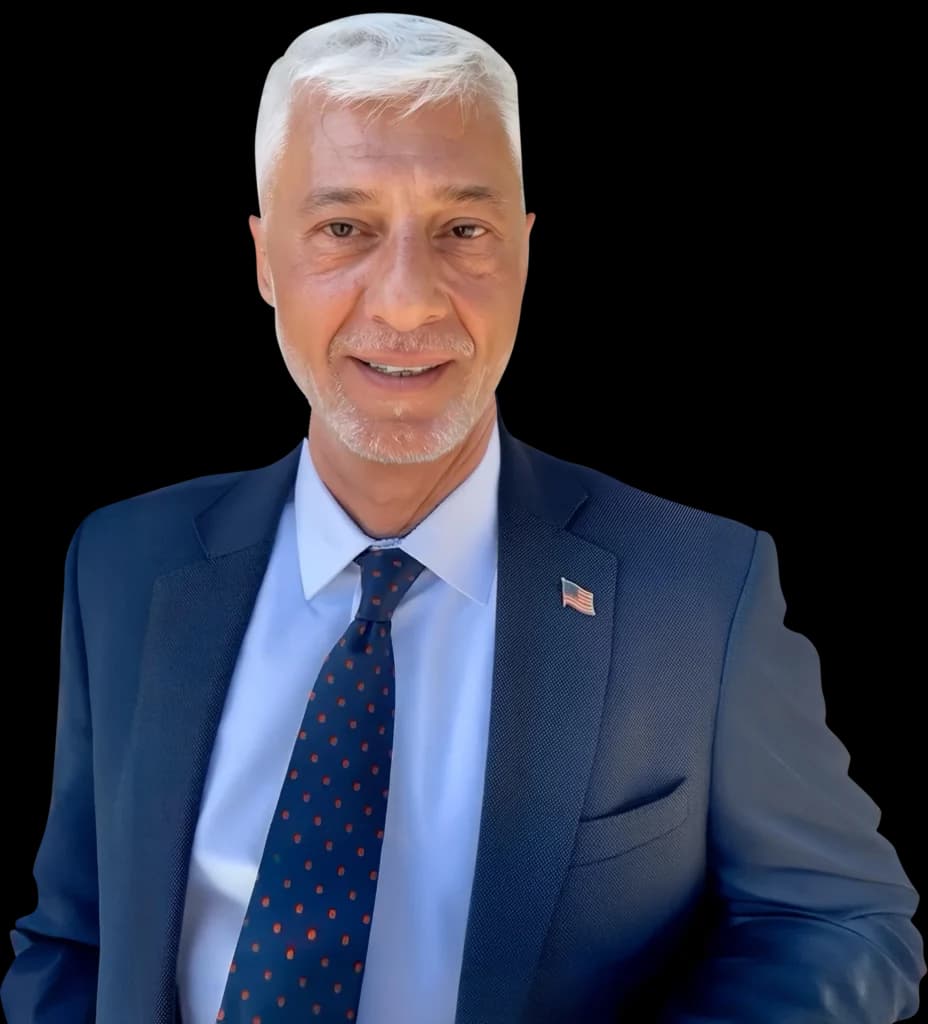
Raffi Naljian

published focus includes car accidents, rear end collision lawyer, head on collisions, t bone accidents, speeding accidents, distracted driving, rental car accidents

California Bar #238919

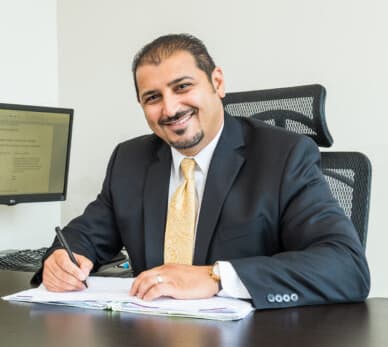
Armen Akaragian

published focus includes personal injury, car accidents

California Bar #242303

No match guarantees assignment, representation, or results.

Primary source trail

  • City of Riverside Public Works Department: Riverside Safe Speeds traffic survey and safety-data program

    The city explains its 2020-2025 engineering and traffic-survey program, the safety factors reviewed, the street segments covered, and how speed limits are evaluated.

    Limit: Survey findings are corridor-level engineering context. They do not establish the speed of a vehicle, a dangerous condition, notice, fault, or damages in one incident.
  • California Office of Traffic Safety crash rankings

    Official city and county traffic-safety context, methodology, and limitations; on this page it frames speeding accidents record questions connecting Kaiser Permanente Riverside with Riverside Hall of Justice; review the source statement against the supporting record to separate assumptions from documented facts.

    Limit: OTS rankings compare incorporated cities or counties and do not prove what happened at a particular scene.

  • California Highway Patrol collision report request

    Official instructions for eligible parties requesting a CHP collision report; on this page it frames speeding accidents record questions connecting Kaiser Permanente Riverside with Riverside Hall of Justice; document the incident detail against the public source to limit the conclusion to verified facts.

    Limit: This process applies to CHP reports and does not establish that CHP investigated a particular incident.

  • California DMV accident reporting

    Official SR-1 reporting information and required record fields; on this page it frames speeding accidents record questions connecting Kaiser Permanente Riverside with Riverside Hall of Justice; verify the coverage position against the policy document to keep the chronology auditable.

    Limit: An SR-1 is a reporting record, not a finding of fault or a substitute for a collision report.

  • Judicial Branch of California court finder

    Official tool for locating the relevant county court and its public contact information; on this page it frames speeding accidents record questions connecting Kaiser Permanente Riverside with Riverside Hall of Justice; cross-check the public record against its source limitation to distinguish context from proof.

    Limit: The court finder locates courts; it does not select venue or calculate a filing deadline for an individual matter.

  • California Code of Civil Procedure section 335.1

    Primary statutory text for the general two-year personal-injury action period; on this page it frames speeding accidents record questions connecting Kaiser Permanente Riverside with Riverside Hall of Justice; trace the published profile against the official license to check who controlled the evidence.

    Limit: Exceptions, accrual rules, contract terms, public-entity claims, and other laws may change the applicable deadline.

  • California Government Code section 911.2

    Primary statutory text for specified claims presented to a public entity; on this page it frames speeding accidents record questions connecting Kaiser Permanente Riverside with Riverside Hall of Justice; verify the record owner against the preservation step to distinguish context from proof.

    Limit: The statute does not identify whether a defendant is a public entity or whether another presentation rule applies.

  • Hurt Advice citations and data-methodology disclosure

    Site disclosure identifying editorial estimates, public-source families, and citation boundaries; on this page it frames speeding accidents record questions connecting Kaiser Permanente Riverside with Riverside Hall of Justice; cross-check the local signal against the source boundary to tie the request to a named source.

    Limit: An editorial estimate is not an official agency extract and cannot prove incident-level frequency, fault, or claim value.

  • State Bar of California attorney search

    Official public source for checking a California attorney name, license number, and status; on this page it frames speeding accidents record questions connecting Kaiser Permanente Riverside with Riverside Hall of Justice; reconcile the reported fact against the original document to preserve the original sequence.

    Limit: A license record verifies public registration details; it does not establish case fit, availability, or likely outcome.

Speeding Accidents Attorney Review for Riverside County

If you've been injured in a speeding accidents incident anywhere in Riverside County, use the county traffic pattern to organize stronger intake facts for attorney review. Current local crash data reflects 10,440 total crashes, 3,520 injury crashes, and 94 fatal crashes across tracked cities in the county.

Riverside County is one of the fastest-growing regions in California, spanning from the Inland Empire to the desert communities. Heavy truck traffic from distribution centers and warehouse operations contributes to high accident rates.

County evidence fingerprint

Regional evidence questions across Riverside County

Use this map to identify the road, agency, medical, venue, and multi-city records that may need separate custodians before choosing a city guide or starting intake.

regional differentiator

Riverside County claim fingerprint

For Riverside County, the useful question is whether the billing ledger, 911 chronology, and specialist intake can be tied to I-10, I-15, I-215 before the insurer treats the speeding accidents file as routine.

  • Use the deadline clock to connect scene proof with school-hour congestion.
  • Compare Riverside Hall of Justice, Southwest Justice Center against the first symptom notes and follow-up timing.
  • Name why Riverside Hall of Justice, Southwest Justice Center changes the local review: 911 chronology, ownership records, and school-hour congestion should point to the right next document.

Evidence sequence

What must stay specific in this county review

A stronger Riverside County review explains the symptom chronology, the hospital transfer timing, and the documents that move someone from research into a useful case review.

  • Name the records that can disappear first, especially any billing ledger or 911 chronology.
  • Compare Riverside, Moreno Valley, Corona, Temecula through symptom chronology; surface 911 chronology, specialist intake, and the road context that changes the next record request.
  • Translate Whiplash, Traumatic Brain Injuries, Broken Bones into record tasks: provider notes, restrictions, work impact, and any care plan that should be checked before valuation.

Decision summary

Turn the evidence into one clear next decision

Make the repair story clear: preserve specialist intake, map the local pressure around freeway merge friction, and decide whether the next useful route is a city guide, evidence resource, verified attorney profile, or intake.

  • Use repair story headings that explain why specialist intake or 911 chronology belongs in the first evidence review.
  • Treat Riverside, Moreno Valley, Corona, Temecula as comparison areas only after I-10, I-15, I-215, specialist intake, and freeway merge friction have established the local facts.
  • Avoid unsupported promises; make the next step about Riverside Hall of Justice, Southwest Justice Center, Whiplash, Traumatic Brain Injuries, Broken Bones, and the proof gap created by freeway merge friction.

Hemet comparison

Comparing Riverside County with Hemet helps separate a generic speeding accidents article from a useful witness loop supported by a scene diagram.

Permanent Disability follow-through

For Permanent Disability, the practical next step is to connect Larson Justice Center with missed work, follow-up care, and the way public-entity notice affected the first account.

I-215 to Desert Division

The strongest county guides explain how I-215, Desert Division, and the camera window fit together before asking someone to request a case review.

adjuster voicemail handoff

A adjuster voicemail becomes more useful when it is matched with Southwest Justice Center, a Hemet comparison, and a clear explanation of what still needs verification.

freight movement filter

The freight movement detail matters when it explains why Permanent Disability evidence may change the fault rebuttal and the urgency of preserving records.

camera-retention request near I-10

When a speeding accidents question starts around I-10, the camera-retention request matters because industrial gate movement can blur the witness loop before witnesses are contacted.

Regional evidence review

Practical review notes for Riverside County speeding accidents claims

A strong county page should explain how regional roads, courthouse context, city coverage, and treatment records change the next move for an injured visitor.

regional proof route 1

Camera-window lens for Riverside County

A helpful county review makes rideshare pickup pressure practical by connecting Traumatic Brain Injuries, call-log timestamp, and connecting local records with source-backed resources to a next action or intake decision.

  • The scene should not float away from the medical record: connect CA-79, radiology order, and Larson Justice Center before damages are estimated.
  • If Larson Justice Center or Riverside appears in the story, the specialist intake can become more important than a generic discussion of speeding accidents.
  • For Traumatic Brain Injuries, document the insurance posture and show why connecting local records with source-backed resources matters before the insurer narrows the file.

Checklist

  • Preserve call-log timestamp before the record owner changes access, retention, or availability.
  • Tie Larson Justice Center to first symptoms, follow-up care, and any work or mobility limits.
  • If Riverside helps, make it prove a difference in Larson Justice Center, connecting local records with source-backed resources, or roadway access rather than repeating the same guidance.
  • Make the handoff practical by matching call-log timestamp and Larson Justice Center with the city, county, resource, lawyer-fit, or intake path.

regional proof route 2

Insurance-position lens for Riverside County

This regional block is meant to answer one local problem: whether parking receipt, Riverside Hall of Justice, and a high-volume corridor where witness memory fades quickly should be handled before the claim becomes a broad speeding accidents summary.

  • Start around CA-74, then compare the parking receipt with Riverside Hall of Justice; that combination helps isolate how a high-volume corridor where witness memory fades quickly affects the record sequence.
  • If Southwest Justice Center or Corona appears in the story, the radiology order can become more important than a generic discussion of speeding accidents.
  • Treat Traumatic Brain Injuries as a documentation problem first: what care note, restriction, or body-shop supplement can confirm the timeline?

Checklist

  • Preserve body-shop supplement before the record owner changes access, retention, or availability.
  • Tie Riverside Hall of Justice to first symptoms, follow-up care, and any work or mobility limits.
  • If Corona helps, make it prove a difference in Riverside Hall of Justice, checking whether a public agency, employer, platform, or property owner may hold records, or roadway access rather than repeating the same guidance.
  • If the file turns on industrial gate movement, choose the guide or resource that can answer that issue instead of another general overview.

regional proof route 3

Insurance-position lens for Riverside County

A reader researching speeding accidents in Riverside County needs help with prioritizing the records that change liability, treatment, or damages. The useful county question is how rideshare trip screen, insurance posture, and parking-lot visibility change the next step.

  • Let CA-60 introduce one concrete question: whether the first proof source, the care record, or the insurance posture needs attention first.
  • When claim-number trail points toward Larson Justice Center, preserve that record before moving to a broader city, county, or resource guide.
  • Someone with Traumatic Brain Injuries needs a clear separation of symptoms, provider timing, adjuster voicemail, and the insurer issue without overclaiming.

Checklist

  • Preserve adjuster voicemail before the record owner changes access, retention, or availability.
  • Tie Desert Division to first symptoms, follow-up care, and any work or mobility limits.
  • Keep Murrieta in a supporting role while rideshare trip screen, Traumatic Brain Injuries, and parking-lot visibility anchor the Riverside County review.
  • From Desert Division, the next useful step may be a city guide, county guide, evidence resource, verified attorney profile, or intake.

regional proof route 4

Mobility-impact lens for Riverside County

A reader researching speeding accidents in Riverside County needs help with checking whether a public agency, employer, platform, or property owner may hold records. The useful county question is how rideshare trip screen, fault rebuttal, and school-hour congestion change the next step.

  • A route note around I-10 should name the missing document, the person who may hold it, and how it affects the fault rebuttal.
  • If Riverside Hall of Justice or Murrieta appears in the story, the employer absence note can become more important than a generic discussion of speeding accidents.
  • If symptoms connect to school-hour congestion, the useful move is to preserve specialist intake and line it up with Riverside Hall of Justice before claim-value language.

Checklist

  • Preserve specialist intake before the record owner changes access, retention, or availability.
  • Tie Riverside Hall of Justice to first symptoms, follow-up care, and any work or mobility limits.
  • Treat Murrieta as a repair story cross-check, not as substitute copy for the Riverside County facts.
  • If the file turns on school-hour congestion, choose the guide or resource that can answer that issue instead of another general overview.

regional proof route 5

Medical-necessity lens for Riverside County

This route checks whether Riverside County changes the evidence plan: I-215 shapes the scene, Riverside Hall of Justice shapes the care trail, and a provider handoff that needs chronology shapes the insurer response.

  • Let I-215 introduce one concrete question: whether the first proof source, the care record, or the deadline clock needs attention first.
  • When call-log timestamp points toward Desert Division, preserve that record before moving to a broader city, county, or resource guide.
  • Someone with Broken Bones needs a clear separation of symptoms, provider timing, specialist intake, and the insurer issue without overclaiming.

Checklist

  • Preserve specialist intake before the record owner changes access, retention, or availability.
  • Tie Riverside Hall of Justice to first symptoms, follow-up care, and any work or mobility limits.
  • Keep Moreno Valley in a supporting role while camera-retention request, Broken Bones, and crosswalk signal timing anchor the Riverside County review.
  • If the file turns on crosswalk signal timing, choose the guide or resource that can answer that issue instead of another general overview.

regional proof route 6

Damages-documentation lens for Riverside County

Use Riverside County as the proof anchor, not just a place label. CA-74, Riverside Hall of Justice, and preservation email should show why identifying whether the next useful step is a guide, resource, or case review matters.

  • A route note around CA-74 should name the missing document, the person who may hold it, and how it affects the medical necessity record.
  • If Riverside Hall of Justice or Perris appears in the story, the body-shop supplement can become more important than a generic discussion of speeding accidents.
  • For Riverside County, Broken Bones should lead to a record task: compare Southwest Justice Center, separating first-hand proof from later insurer summaries, and the first symptom note.

Checklist

  • Preserve preservation email before the record owner changes access, retention, or availability.
  • Tie Southwest Justice Center to first symptoms, follow-up care, and any work or mobility limits.
  • Keep Perris in a supporting role while specialist intake, Broken Bones, and construction detour anchor the Riverside County review.
  • Make the handoff practical by matching preservation email and Southwest Justice Center with the city, county, resource, lawyer-fit, or intake path.

regional proof route 7

Scene-reconstruction lens for Riverside County

This regional block is meant to answer one local problem: whether employer absence note, Larson Justice Center, and a treatment gap the adjuster may overstate should be handled before the claim becomes a broad speeding accidents summary.

  • Start around CA-60, then compare the employer absence note with Larson Justice Center; that combination helps isolate how a treatment gap the adjuster may overstate affects the record sequence.
  • Riverside Hall of Justice becomes useful when it points to adjuster voicemail, while Hemet should stay secondary unless it changes placing high-friction evidence ahead of generic settlement language.
  • If the claim involves Internal Injuries, the next useful paragraph should organize ambulance narrative, placing high-friction evidence ahead of generic settlement language, and any care gap before value language appears.

Checklist

  • Preserve ambulance narrative before the record owner changes access, retention, or availability.
  • Tie Larson Justice Center to first symptoms, follow-up care, and any work or mobility limits.
  • If Hemet helps, make it prove a difference in Larson Justice Center, placing high-friction evidence ahead of generic settlement language, or roadway access rather than repeating the same guidance.
  • Use the final link choice to separate research, ambulance narrative, placing high-friction evidence ahead of generic settlement language, and intake for Riverside County.

regional proof route 8

Provider-handoff lens for Riverside County

Use Riverside County as the proof anchor, not just a place label. I-215, Southwest Justice Center, and scene diagram should show why using a nearby area only when it changes witnesses, cameras, treatment, or access matters.

  • If I-215 matters, tie the route, the proof owner, and Southwest Justice Center to the same chronology.
  • Compare Southwest Justice Center with scene diagram, specialist intake, and a venue or property-control question before linking away from this county path.
  • Make the Whiplash paragraph answer one local question: whether I-215, Southwest Justice Center, or scene diagram explains the care sequence best.

Checklist

  • Preserve scene diagram before the record owner changes access, retention, or availability.
  • Tie Southwest Justice Center to first symptoms, follow-up care, and any work or mobility limits.
  • Let Murrieta answer one comparison question, then bring the reader back to I-215, Southwest Justice Center, and the scene diagram.
  • If the file turns on school-hour congestion, choose the guide or resource that can answer that issue instead of another general overview.

Major Highways in Riverside County

Participating attorneys may review accident questions tied to Riverside County's major highways:

I-10I-15I-215CA-60CA-91CA-74CA-79

Riverside County Courthouses

Courthouses that may appear in Riverside County records:

  • Riverside Hall of Justice
  • Southwest Justice Center
  • Desert Division
  • Larson Justice Center

County Crash Picture

3
Tracked cities
10,440
Total crashes
3,520
Injury crashes
94
Fatal crashes
+3.9%
YoY change

Top causes

SpeedingDUIDistracted DrivingRunning Red LightsReckless Driving

Peak windows

7:00 AM - 9:00 AM4:00 PM - 6:30 PMFriday nightsWeekend afternoons

Hotspot cities

Riverside leads the tracked county dataset, and this page also tracks intake context from Riverside, Moreno Valley, Corona.

High-risk corridors

SR-91I-215SR-60I-15SR-71

What this means for review

2,520 speeding-related crashes show why severe-impact cases in Riverside County often center on roadway design, braking distance, and black-box evidence from corridors like SR-91, I-215.

How to Organize Riverside County Review

01

Multi-city investigation across Riverside County

County-wide reviews often involve different police agencies, medical providers, and witnesses spread across Riverside, Moreno Valley, Corona and surrounding communities.

02

Highway and freight exposure analysis

Review crashes tied to routes like I-10, I-15, I-215, where commuter traffic, commercial vehicles, and speed differentials often increase evidence complexity.

03

Venue planning for Riverside County courts

From early records to review posture, the file should account for Riverside Hall of Justice and Southwest Justice Center and the realities of county litigation.

Common Injuries Participating attorneys may review

•Whiplash
•Traumatic Brain Injuries
•Broken Bones
•Internal Injuries
•Permanent Disability

What to Bring to Your Free Intake Review

Crash report number or incident summary
Names of hospitals, clinics, or providers you visited
Any photos, witness details, or insurance letters
Questions about missed work, future treatment, and claim timing

Frequently Asked Questions

How much does a speeding accident lawyer cost in Riverside County?

Written attorney-fee terms should not distract from the evidence review. For Riverside County, the first step is to organize CA-91, Riverside Hall of Justice, and any first medical records that may disappear quickly.

Which parts of Riverside County see the most serious speeding accidents claims?

Riverside generates the most tracked crashes in the county dataset, and corridors like SR-91, I-215, SR-60 often need careful evidence review. Hurt Advice intake can organize requests from Riverside, Moreno Valley, Corona, Temecula, Murrieta, Hemet and other surrounding communities.

What is the statute of limitations for speeding accidents in California?

The safest deadline review starts with the defendant type, not just the calendar. In Riverside County, the standard two-year lawsuit window may not protect a claim that also needs a shorter public-entity notice, especially when proof turns on CA-60.

How long do speeding accidents cases take in Riverside County?

A straightforward Riverside County case may move inside the usual 6-18 months window. If a public-entity deadline appears, the timeline should prioritize Larson Justice Center, I-10, and a clean proof sequence before value discussions.

Why does county-wide investigation matter for speeding accidents cases in Riverside County?

2,520 speeding-related crashes show why severe-impact cases in Riverside County often center on roadway design, braking distance, and black-box evidence from corridors like SR-91, I-215.

case-routing review

Fast intake, organized review steps, and attorney fee terms vary.

Intake Available 24/7
Step 1 of 2

Free case-routing review

Start with the essentials. If we need more, we’ll ask on the follow-up.

About 2 minutes
Urgent cases reviewed first
Private and confidential

Quick contact

Name plus phone or email is enough to start.

Step 1 of 2. Quick contact

Use either phone or email. Both are helpful, but only one is required.

(818) 482-2260

100% Free • no obligation • Confidential

Your message stays private. Sending this form does not create an attorney-client relationship. privacy policy.

Prefer to talk right now? Call (818) 482-2260

Quick Contact

(818) 482-2260

Available 24/7 for urgent injury consultations

Speeding Accidents Review Facts

Average Case Duration6-18 months
Review TermsWritten
Value Depends OnProof
RepresentationSeparate written agreement

Riverside County Speeding Accidents Attorney Review

Review participating attorney profiles, public-source signals, and referral-service boundaries for Riverside County speeding accidents questions.

Raffi Naljian - California Personal Injury, Litigation & Criminal Defense Attorney
20+ Years

Raffi Naljian, Esq.

California Personal Injury, Litigation & Criminal Defense Attorney

Public profile includes Speeding Accidents

Glendale and Los Angeles litigation intake team

Listed focus: Car Accidents and Rear End Collision Lawyer matters.

View Profile

Injured in Riverside County? Start With Organized Intake.

Hurt Advice can help organize county records, insurance details, medical timelines, and attorney-review next steps. Representation begins only after a separate written attorney agreement.