Free intake reviewES
Serving All of San Francisco County

San Francisco County T-Bone Accident Lawyer

Serving T-Bone Accidents Victims Throughout San Francisco County

San Francisco County At a Glance

870,000
County population
8,000+
Annual crashes
30+
Fatal collisions
$40,000 - $750,000+
Settlement range

County coverage

Participating attorneys may review claims across San Francisco and other communities throughout San Francisco County, including collisions on major highways and serious injury cases requiring local court knowledge.

$50M+Referenced recoveries
2,500+Intake paths guided
500+Five-star reviews
Written Fee TermsUnless compensation is recovered

T-Bone Accidents Attorneys Serving San Francisco County

If you've been injured in a t-bone accidents incident anywhere in San Francisco County, use the county traffic pattern to organize stronger intake facts for attorney review. Current local crash data reflects 8,920 total crashes, 3,100 injury crashes, and 31 fatal crashes across tracked cities in the county.

San Francisco is a densely populated city-county with unique traffic challenges including steep hills, narrow streets, and heavy pedestrian activity. The combination creates diverse accident risks.

County claim fingerprint

How this San Francisco County page guides regional research

County pages can look thin when they only list cities. This layer explains the evidence, venue, and regional decision points that make the page useful before a visitor chooses a city page or starts intake.

regional differentiator

San Francisco County claim fingerprint

For San Francisco County, the useful question is whether the inspection request, repair estimate, and weather snapshot can be tied to US-101, I-80, I-280 before the insurer treats the t-bone accidents file as routine.

  • Use the venue question to connect scene proof with campus shuttle activity.
  • Compare Civic Center Courthouse, Hall of Justice against the first symptom notes and follow-up timing.
  • Name why Civic Center Courthouse, Hall of Justice changes the local review: repair estimate, ownership records, and campus shuttle activity should point to the right next document.

Evidence sequence

What must stay specific on this county page

A stronger San Francisco County page explains the work-loss proof, the weather and lighting change, and the documents that move a reader from research into a useful case review.

  • Name the records that can disappear first, especially any inspection request or repair estimate.
  • Compare San Francisco through work-loss proof; the point is to surface repair estimate, weather snapshot, and road context that a generic page misses.
  • Connect Pelvic Fractures, Head Injuries, Shoulder Trauma with Civic Center Courthouse, Hall of Justice, missed-work proof, and the next specialist or therapy record instead of relying on injury labels alone.

Decision summary

The decision point matters more than the keyword

Make the notice trail clear: preserve weather snapshot, map the local pressure around construction detour, and decide whether the next click should be a city guide, resource page, attorney profile, or intake.

  • Use notice trail headings that explain why weather snapshot or repair estimate belongs in the first evidence review.
  • Keep Civic Center Courthouse, Hall of Justice in the handoff when San Francisco helps explain provider timing, witness access, or roadway context.
  • Keep the language evidence-first by pairing Pelvic Fractures, Head Injuries, Shoulder Trauma with weather snapshot, Civic Center Courthouse, Hall of Justice, and the timing issue behind construction detour.

industrial gate movement filter

The industrial gate movement detail matters when it explains why Shoulder Trauma evidence may change the venue question and the urgency of preserving records.

triage record near US-101

When a t-bone accidents question starts around US-101, the triage record matters because retail driveway conflict can blur the notice trail before witnesses are contacted.

Civic Center Courthouse timing

A reader in San Francisco County should know whether Civic Center Courthouse records line up with Spinal Injuries, especially if the first insurer note minimizes the witness loop.

Hall of Justice control question

If Hall of Justice is part of the story, preserve the ambulance narrative before freight movement changes who can explain access, lighting, staffing, or maintenance.

San Francisco comparison

Comparing San Francisco County with San Francisco helps separate a generic t-bone accidents article from a useful liability sequence supported by a 911 chronology.

Shoulder Trauma follow-through

For Shoulder Trauma, the practical next step is to connect Hall of Justice with missed work, follow-up care, and the way weather and lighting change affected the first account.

Regional evidence review

Practical review notes for San Francisco County t-bone accidents claims

A strong county page should explain how regional roads, courthouse context, city coverage, and treatment records change the next move for an injured visitor.

regional proof route 1

Medical-necessity lens for San Francisco County

A helpful county page should make freight movement practical by connecting Spinal Injuries, rideshare trip screen, and showing why a nearby page is a comparison path rather than a duplicate to a next click or intake decision.

  • A route note around CA-1 should name the missing document, the person who may hold it, and how it affects the damages ledger.
  • Civic Center Courthouse becomes useful when it points to repair estimate, while San Francisco should stay secondary unless it changes showing why a nearby page is a comparison path rather than a duplicate.
  • If symptoms connect to freight movement, the useful move is to preserve rideshare trip screen and line it up with Civic Center Courthouse before claim-value language.

Checklist

  • Preserve rideshare trip screen before the record owner changes access, retention, or availability.
  • Tie Civic Center Courthouse to first symptoms, follow-up care, and any work or mobility limits.
  • Use San Francisco to pressure-test rideshare trip screen, a fast property-damage estimate, and the local care trail before linking away from San Francisco County.
  • Send the reader toward the next useful step from Civic Center Courthouse: a city guide, county guide, resource, attorney proof page, or intake.

regional proof route 2

Venue-control lens for San Francisco County

This regional block is meant to answer one local problem: whether camera-retention request, Hall of Justice, and missing repair photos should be handled before the claim becomes a broad t-bone accidents summary.

  • Use I-280 only when it helps explain the camera lead, witness angle, care handoff, or the coverage map.
  • When preservation email points toward Hall of Justice, preserve that record before the reader is sent to a broader city, county, or resource page.
  • A reader with Shoulder Trauma needs the page to separate symptoms, provider timing, inspection request, and the insurer issue without overclaiming.

Checklist

  • Preserve inspection request before the record owner changes access, retention, or availability.
  • Tie Hall of Justice to first symptoms, follow-up care, and any work or mobility limits.
  • Treat San Francisco as a coverage map cross-check, not as substitute copy for the San Francisco County facts.
  • Use the final link choice to separate research, inspection request, keeping city or county context connected to the actual decision point, and intake for San Francisco County.

regional proof route 3

Transportation-corridor lens for San Francisco County

This route checks whether San Francisco County changes the evidence plan: CA-1 shapes the scene, Hall of Justice shapes the care trail, and a recorded-statement request shapes the insurer response.

  • A route note around CA-1 should name the missing document, the person who may hold it, and how it affects the notice trail.
  • If Civic Center Courthouse or San Francisco appears in the story, the maintenance ticket can become more important than a generic discussion of t-bone accidents.
  • If symptoms connect to crosswalk signal timing, the useful move is to preserve rideshare trip screen and line it up with Hall of Justice before claim-value language.

Checklist

  • Preserve rideshare trip screen before the record owner changes access, retention, or availability.
  • Tie Hall of Justice to first symptoms, follow-up care, and any work or mobility limits.
  • Let San Francisco answer one comparison question, then bring the reader back to CA-1, Civic Center Courthouse, and the rideshare trip screen.
  • If the file turns on crosswalk signal timing, route the reader to the page type that can answer that issue next instead of another generic article.

regional proof route 4

Insurance-position lens for San Francisco County

This regional block is meant to answer one local problem: whether specialist intake, Civic Center Courthouse, and a claim value estimate without enough proof should be handled before the claim becomes a broad t-bone accidents summary.

  • Let I-280 introduce one concrete question: whether the first proof source, the care record, or the medical necessity record needs attention first.
  • When coverage letter points toward Hall of Justice, preserve that record before the reader is sent to a broader city, county, or resource page.
  • Use Shoulder Trauma to explain a care-sequence gap, not to inflate severity; the next proof task is showing why a nearby page is a comparison path rather than a duplicate.

Checklist

  • Preserve parking receipt before the record owner changes access, retention, or availability.
  • Tie Civic Center Courthouse to first symptoms, follow-up care, and any work or mobility limits.
  • Keep San Francisco in the supporting lane: the San Francisco County page should still own specialist intake, Shoulder Trauma, and construction detour.
  • Make the handoff practical by matching parking receipt and Civic Center Courthouse with the city, county, resource, lawyer-fit, or intake path.

regional proof route 5

Property-control lens for San Francisco County

Use San Francisco County as the proof anchor, not a keyword swap. CA-1, Hall of Justice, and tow-yard photo should show why checking whether a public agency, employer, platform, or property owner may hold records matters for this reader.

  • A route note around CA-1 should name the missing document, the person who may hold it, and how it affects the notice trail.
  • Hall of Justice becomes useful when it points to rideshare trip screen, while San Francisco should stay secondary unless it changes linking a symptom timeline to a concrete place and provider.
  • Head Injuries guidance works better when the page ties symptoms to provider chain, tow-yard photo, and the earliest care sequence.

Checklist

  • Preserve tow-yard photo before the record owner changes access, retention, or availability.
  • Tie Civic Center Courthouse to first symptoms, follow-up care, and any work or mobility limits.
  • If San Francisco helps, make it prove a difference in Civic Center Courthouse, linking a symptom timeline to a concrete place and provider, or roadway access rather than repeating the same page.
  • Send the reader toward the next useful step from Civic Center Courthouse: a city guide, county guide, resource, attorney proof page, or intake.

regional proof route 6

Medical-necessity lens for San Francisco County

This regional block is meant to answer one local problem: whether coverage letter, Civic Center Courthouse, and a provider handoff that needs chronology should be handled before the claim becomes a broad t-bone accidents summary.

  • Use CA-1 only when it helps explain the camera lead, witness angle, care handoff, or the deadline clock.
  • Civic Center Courthouse becomes useful when it points to inspection request, while San Francisco should stay secondary unless it changes building a clear relationship between local pages and source-backed resources.
  • When Pelvic Fractures is part of the file, connect daily limits, Civic Center Courthouse, and pharmacy pickup before describing settlement factors.

Checklist

  • Preserve pharmacy pickup before the record owner changes access, retention, or availability.
  • Tie Civic Center Courthouse to first symptoms, follow-up care, and any work or mobility limits.
  • Treat San Francisco as a work-loss proof cross-check, not as substitute copy for the San Francisco County facts.
  • Make the handoff practical by matching pharmacy pickup and Civic Center Courthouse with the city, county, resource, lawyer-fit, or intake path.

regional proof route 7

Witness-location lens for San Francisco County

The local value comes from separating the scene record from the claim narrative. repair estimate, venue question, and Hall of Justice tell the reader what to preserve first.

  • Use US-101 only when it helps explain the camera lead, witness angle, care handoff, or the venue question.
  • Compare Civic Center Courthouse with therapy schedule, rideshare trip screen, and a fast property-damage estimate before linking away from this county path.
  • Keep the Spinal Injuries section grounded in a task: define the treatment bridge, name who controls therapy schedule, and avoid outcome promises.

Checklist

  • Preserve therapy schedule before the record owner changes access, retention, or availability.
  • Tie Hall of Justice to first symptoms, follow-up care, and any work or mobility limits.
  • If San Francisco helps, make it prove a difference in Hall of Justice, linking a symptom timeline to a concrete place and provider, or roadway access rather than repeating the same page.
  • If the file turns on construction detour, route the reader to the page type that can answer that issue next instead of another generic article.

regional proof route 8

Scene-reconstruction lens for San Francisco County

This regional block is meant to answer one local problem: whether inspection request, Hall of Justice, and a serious injury hidden behind normal-looking photos should be handled before the claim becomes a broad t-bone accidents summary.

  • A useful first pass asks who can confirm US-101, whether Hall of Justice supports the timing, and what inspection request can still be preserved.
  • When parking receipt points toward Civic Center Courthouse, preserve that record before the reader is sent to a broader city, county, or resource page.
  • Make the Internal Bleeding paragraph answer one local question: whether US-101, Hall of Justice, or radiology order explains the care sequence best.

Checklist

  • Preserve radiology order before the record owner changes access, retention, or availability.
  • Tie Hall of Justice to first symptoms, follow-up care, and any work or mobility limits.
  • Keep San Francisco in the supporting lane: the San Francisco County page should still own inspection request, Internal Bleeding, and freight movement.
  • Make the handoff practical by matching radiology order and Hall of Justice with the city, county, resource, lawyer-fit, or intake path.

Major Highways in San Francisco County

Participating attorneys may have extensive experience handling accidents on San Francisco County's major highways:

US-101I-80I-280CA-1

San Francisco County Courthouses

We regularly handle cases at these San Francisco County courthouses:

  • Civic Center Courthouse
  • Hall of Justice

County Crash Picture

1
Tracked cities
8,920
Total crashes
3,100
Injury crashes
31
Fatal crashes
-1.2%
YoY change

Top causes

Distracted DrivingPedestrian Right-of-Way ViolationsRunning Red LightsSpeedingDUI

Peak windows

8:30 AM - 10:00 AM5:00 PM - 7:30 PMFriday eveningsSaturday nights

Hotspot cities

San Francisco leads the tracked county dataset, and we also monitor claims from San Francisco.

High-risk corridors

US-101I-80I-280SR-1

What this means for your case

Angle-impact crashes in San Francisco County cluster around intersections such as Market & Octavia, 6th & Market, where right-of-way disputes, sightlines, and signal phasing often decide fault.

How We Approach San Francisco County Cases

01

Multi-city investigation across San Francisco County

County-wide claims often involve different police agencies, medical providers, and witnesses spread across San Francisco and surrounding communities.

02

Highway and freight exposure analysis

We evaluate crashes tied to routes like US-101, I-80, I-280, where commuter traffic, commercial vehicles, and speed differentials often increase claim value and complexity.

03

Venue planning for San Francisco County courts

From early filing strategy to settlement posture, we prepare each matter with Civic Center Courthouse and Hall of Justice and the realities of county litigation in mind.

Common Injuries Participating attorneys may review

Pelvic Fractures
Head Injuries
Shoulder Trauma
Internal Bleeding
Spinal Injuries

What to Bring to Your Free Intake Review

Crash report number or incident summary
Names of hospitals, clinics, or providers you visited
Any photos, witness details, or insurance letters
Questions about missed work, future treatment, and claim timing

Frequently Asked Questions

How much does a t-bone accident lawyer cost in San Francisco County?

A San Francisco County t-bone accidents review does not require a retainer. Attorney fees are tied to a recovery, so the first call can focus on repair documentation, Hall of Justice, and whether US-101 creates an evidence deadline.

Which parts of San Francisco County see the most serious t-bone accidents claims?

San Francisco generates the most tracked crashes in the county dataset, and we also watch corridors like US-101, I-80, I-280. We serve San Francisco and other surrounding communities.

What is the statute of limitations for t-bone accidents in California?

California personal injury lawsuits are generally subject to a two-year filing window, while claims involving a public entity can require much faster government-claim action. For San Francisco County t-bone accidents cases, track the incident date, US-101, and Hall of Justice before assuming the standard timeline applies.

How long do t-bone accidents cases take in San Francisco County?

The calendar for a county t-bone accidents file depends less on a generic average and more on commercial-vehicle records. Use the 6-16 months benchmark as a planning range while you preserve high-friction records while the case is still fresh.

Why does county-wide investigation matter for t-bone accidents cases in San Francisco County?

Angle-impact crashes in San Francisco County cluster around intersections such as Market & Octavia, 6th & Market, where right-of-way disputes, sightlines, and signal phasing often decide fault.

case-routing review

Fast intake, strong case strategy, and attorney fee terms vary.

Intake Team Available Now

case-routing review

Start with the essentials. Load the secure form when you are ready to use it.

Call (818) 482-2260

Quick Contact

(818) 482-2260

Available 24/7 for urgent injury consultations

T-Bone Accidents Case Facts

Average Case Duration6-16 months
Success Rate95%+
Typical Recovery$85,000+
Average Settlement$40,000 - $750,000+

San Francisco County T-Bone Accidents Attorneys

Meet the experienced attorneys serving San Francisco County for t-bone accidents cases

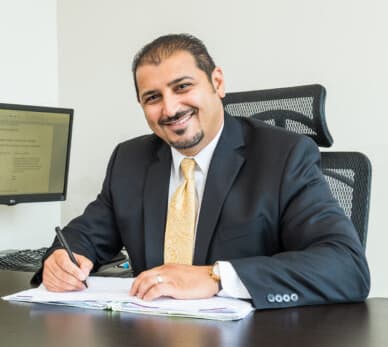
Raffi Naljian - California Personal Injury, Litigation & Criminal Defense Attorney
20+ Years

Raffi Naljian, Esq.

California Personal Injury, Litigation & Criminal Defense Attorney

Focused on T Bone Accidents cases

California Bar #238919, active since 2005

Fact-checked against the California State Bar profile and Naljian Law Offices website.

Glendale and Los Angeles litigation intake team

Ideal for Car Accidents and Rear End Collision Lawyer matters.

View Profile & Results

Injured in San Francisco County? We Can Help.

Participating t-bone accident lawyers have helped thousands of San Francisco County residents get the compensation they deserve.