Page type
Localized Truck Accident Lawyer information and attorney-fit review path
Open related pageLegal information and case-routing review for people affected by truck accidents throughout Los Angeles County
Local roads and intersections
I-405, I-10, I-110 are area references; confirm the actual incident address and road configuration.
Medical treatment access
Cedars-Sinai Medical Center, UCLA Medical Center and other providers that may appear in local injury records.
Neighborhood coverage
Downtown LA, Hollywood, Santa Monica, Pasadena, plus surrounding communities across Los Angeles County.
Citywide crash comparisons need a dated agency source and matching units; the actual report and care records matter for an individual incident.
Local guide at a glance
Legal information and case-routing review for people affected by truck accidents throughout Los Angeles County
Page type
Localized Truck Accident Lawyer information and attorney-fit review path
Open related pageLocal geography
Los Angeles, Los Angeles County; routes include I-405, I-10, I-110.
Source: Visible local page contentMedical-record context
Cedars-Sinai Medical Center and UCLA Medical Center are referenced for treatment timeline organization.
Source: Visible local page contentLocal record context
Use a named official city or state source with the exact geography, period, and measure before quoting a collision figure. Editorial estimates are not official agency extracts.
Source: Hurt Advice source policyReferral disclosure
Hurt Advice is not a law firm and does not provide legal advice or representation.
Source: Hurt Advice source policy
Sources and review links
Review the cited sources and the page's local details before relying on general information for a specific claim.
For truck accidents in Los Angeles, use the local records to identify custodians and unresolved questions. Confirm the actual location, treating provider, and applicable process; this guide's area references do not describe a particular incident.
How to use this evidence guide
Official local record brief
Los Angeles Department of Transportation publishes citywide collision landscape and safety profiles. Check its scope and limits before applying it to the incident records.
Los Angeles Department of Transportation
The LADOT study documents its collision-data sources and analyzes killed-or-severely-injured, injury, mode, violation, hit-and-run, lighting, and time-of-day patterns.
When to use it
Use this study to understand the source years, mode categories, reporting changes, and limitations behind Los Angeles citywide safety statements.
Details used to locate the record
Limit: The study is a citywide planning analysis based on defined years and data-cleaning methods. It does not prove an individual collision theory or current site condition.
Los Angeles Police Department
LAPD identifies authorized requesters, online and mail access, the ordinary review period, online-release exceptions, and the report, party, vehicle, date, time, and location details needed for a request.
When to use it
Use this process after confirming LAPD took the collision report and the requester is an authorized person or representative.
Details used to locate the record
Limit: The process applies to LAPD reports and does not establish that LAPD investigated a freeway or another agency-controlled incident, that a report is releasable online, or who is legally responsible.
Los Angeles Department of Transportation
The department form identifies location-specific records that may be requested, including signal timing and maintenance, geometric and signal plans, sign and pavement work orders, and speed surveys.
When to use it
Use this process when the facts raise a location-specific question about a Los Angeles signal, sign, pavement marking, geometry, or speed survey.
Details used to locate the record
Limit: A listed document may not exist or cover the relevant date, and the form warns that records staff do not interpret technical documents. The records do not by themselves prove notice, defect, fault, or damages.
Los Angeles City Attorney
The City Attorney page identifies the City claim route and examples of records commonly used to support vehicle-property and personal-injury submissions, including reports, photographs, medical records, and itemized bills.
When to use it
Use this source only when incident facts suggest a City of Los Angeles vehicle, employee, property, or operation may be involved and prompt legal review is needed.
Details used to locate the record
Limit: The page does not determine whether the City is a proper party, calculate a deadline, establish negligence or causation, value damages, or guarantee that a claim will be accepted or paid.
Local anchors and boundaries
Roadway reference
Use the direction, lane, crossing, time, and observed conditions to identify reports, cameras, and witnesses connected with I-405.
Boundary: I-405 and Hollywood Sign are separate area references. Confirm the actual incident address and jurisdiction before selecting a report agency.
Provider reference
If the person received care at Cedars-Sinai Medical Center, compare its triage, imaging, referrals, restrictions, and billing with the incident chronology.
Boundary: Naming Cedars-Sinai Medical Center does not confirm that a person received care there or that its records prove causation.
Official path
Confirm the entity, legal party names, and published process before using Stanley Mosk Courthouse for a filing or venue question.
Boundary: Stanley Mosk Courthouse is a research reference and does not establish venue, jurisdiction, or an individual deadline.
Local mobility
Identify the actual operator, station or vehicle before requesting agency records that may clarify the incident timeline.
Boundary: LA Metro (Metro Rail & Bus) and Metrolink may identify an agency or movement record, but confirm the operator, time window, and record number before using it to describe this incident.
Visual evidence flow
For this page, start at I-405, compare the chronology tied to Cedars-Sinai Medical Center, and confirm whether Los Angeles Department of Transportation controls citywide collision landscape and safety profiles; the final step checks Abraham Chuljyan's published license without assigning representation.
01 / Scene
I-405
Record the time, direction, lane, and possible camera or witness leads tied to I-405.
02 / Care
Cedars-Sinai Medical Center
Compare first symptoms, triage, referrals, and restrictions in records associated with Cedars-Sinai Medical Center.
03 / Record
Los Angeles Department of Transportation
Confirm whether Los Angeles Department of Transportation controls citywide collision landscape and safety profiles before requesting it.
04 / Review
Abraham Chuljyan
Check Abraham Chuljyan's published license and practice information; this path does not assign an attorney.
Decision path
Record the actual address, direction, time and conditions. Use I-405 or Hollywood Sign only if the incident record identifies that location, then confirm who holds the report or video.
Order symptoms, triage, diagnosis, imaging, referrals, and restrictions by date without assuming one note resolves causation.
Identify the carrier and vehicle before ordinary business systems overwrite route, log, camera, or maintenance data; track the Los Angeles Vision Zero Safety Study request to Los Angeles Department of Transportation as requested, received, disputed, or still awaiting primary-source confirmation.
Verify parties, public-entity involvement, venue, and dates through an official source or qualified attorney before relying on a general deadline.
Investigating agency and camera custodian
Record the actual approach, direction, lane, crossing, time, and lighting. Confirm whether I-405 or Hollywood Sign appears in the incident records. If care began at Cedars-Sinai Medical Center, compare its intake time with dispatch and video timestamps.
Next request: For this truck accidents review, obtain the report number and preserve video, dispatch, photographs, and movement data before routine deletion cycles.
Medical provider and records department
For care attributed to Cedars-Sinai Medical Center, separate triage, diagnosis, imaging, referrals, restrictions, billing, and symptom changes. The Cedars-Sinai Medical Center chart does not prove causation by itself; it shows which dates and changes still need qualified review.
Next request: Request records from the provider that actually treated the person. If that was Cedars-Sinai Medical Center, keep its chart together with a dated list of missing, corrected, or later-added records.
Court, city, county, or public entity
For a filing or public-entity question linked to Stanley Mosk Courthouse, first identify who controlled the scene or key record. Confirm the official path associated with Stanley Mosk Courthouse before assuming the ordinary filing period resolves a possible public-claim notice.
Next request: Identify the potential defendant, then use the published court or agency path associated with Stanley Mosk Courthouse before waiting.
Truck Accidents specialist record holder
For truck accidents in Los Angeles, the focused review should include carrier dispatch, driver qualification, electronic logging, inspection, maintenance, loading, and onboard-data records. Compare that file with the actual treatment chronology and any unresolved venue question; the central unresolved issue is whether the driver, carrier, broker, shipper, maintenance vendor, or another commercial actor controlled the event or a missing record.
Next request: Identify the carrier and vehicle before ordinary business systems overwrite route, log, camera, or maintenance data.
Analysis before conclusions
Start with the actual address, direction, lane, crossing, time, and lighting. Record a landmark only if it identifies the scene. Match report and camera timestamps with the first-care records from the actual provider.
City and county data can identify patterns and public sources, but it does not prove fault, block-level frequency, or the value of an individual claim.
For truck accidents in Los Angeles, this page links Abraham Chuljyan (published focus includes truck accidents); Armen Akaragian (published service areas include Los Angeles) as comparison paths grounded in public profiles and license records; it does not imply assignment, availability, representation, or an outcome recommendation.
Compare the report, dispatch, photograph, or video time with the first treatment note. Preserve each original timestamp and any known clock difference. A timing gap identifies a question for the custodian or witness; it does not decide responsibility.
Confirm the legal name of each potential party, who controlled I-405, and whether a public entity was involved. Stanley Mosk Courthouse is a local reference; it does not establish venue, jurisdiction, or compliance with a notice requirement by itself.
The file should connect carrier dispatch, driver qualification, electronic logging, inspection, maintenance, loading, and onboard-data records with the actual treatment chronology and evidence preserved at the incident location. That comparison helps evaluate whether the driver, carrier, broker, shipper, maintenance vendor, or another commercial actor controlled the event or a missing record without turning local context into a legal conclusion.
For an incident in Los Angeles, identify the actual parties, location and responsible record custodians. Confirm the applicable process before relying on a general deadline.
Request records from Cedars-Sinai Medical Center and UCLA Medical Center only if they treated the person. Order symptoms, visits, testing and referrals by date without assuming a diagnosis or causal connection.
Stanley Mosk Courthouse and Los Angeles Superior Court are research references. Confirm the parties, jurisdiction and applicable filing process; proximity does not establish venue.
Preserve originals of available photographs, reports and communications.; Identify the actual record owner and document the request and response.; Separate personal observations from estimates or later summaries.; carrier dispatch, driver qualification, electronic logging, inspection, maintenance, loading, and onboard-data records
Confirm the incident date and any applicable deadline.; Identify recordings or physical evidence that may change.; Record missing information without assuming fault or coverage.
Verified attorney relevance
No match guarantees assignment, representation, or results.
Primary source trail
The LADOT study documents its collision-data sources and analyzes killed-or-severely-injured, injury, mode, violation, hit-and-run, lighting, and time-of-day patterns.
Limit: The study is a citywide planning analysis based on defined years and data-cleaning methods. It does not prove an individual collision theory or current site condition.
LAPD identifies authorized requesters, online and mail access, the ordinary review period, online-release exceptions, and the report, party, vehicle, date, time, and location details needed for a request.
Limit: The process applies to LAPD reports and does not establish that LAPD investigated a freeway or another agency-controlled incident, that a report is releasable online, or who is legally responsible.
The department form identifies location-specific records that may be requested, including signal timing and maintenance, geometric and signal plans, sign and pavement work orders, and speed surveys.
Limit: A listed document may not exist or cover the relevant date, and the form warns that records staff do not interpret technical documents. The records do not by themselves prove notice, defect, fault, or damages.
The City Attorney page identifies the City claim route and examples of records commonly used to support vehicle-property and personal-injury submissions, including reports, photographs, medical records, and itemized bills.
Limit: The page does not determine whether the City is a proper party, calculate a deadline, establish negligence or causation, value damages, or guarantee that a claim will be accepted or paid.
Official city and county traffic-safety context, methodology, and limitations.
Limit: OTS rankings compare incorporated cities or counties and do not prove what happened at a particular scene.
Official instructions for eligible parties requesting a CHP collision report.
Limit: This process applies to CHP reports and does not establish that CHP investigated a particular incident.
Official SR-1 reporting information and required record fields.
Limit: An SR-1 is a reporting record, not a finding of fault or a substitute for a collision report.
Official tool for locating the relevant county court and its public contact information.
Limit: The court finder locates courts; it does not select venue or calculate a filing deadline for an individual matter.
Primary statutory text for the general two-year personal-injury action period.
Limit: Exceptions, accrual rules, contract terms, public-entity claims, and other laws may change the applicable deadline.
Primary statutory text for specified claims presented to a public entity.
Limit: The statute does not identify whether a defendant is a public entity or whether another presentation rule applies.
Official federal commercial-motor-vehicle regulation and safety source.
Limit: The regulations do not establish which carrier, rule, or record applies without incident-specific facts.
Official public source for checking a California attorney name, license number, and status.
Limit: A license record verifies public registration details; it does not establish case fit, availability, or likely outcome.
Official local source trail
These government-published records explain the source period, geography, and limits of local traffic information. They provide research context only and cannot prove fault, causation, damages, notice, or what happened in one incident.
Build an incident-specific evidence checklistWhat it covers: The LADOT study documents its collision-data sources and analyzes killed-or-severely-injured, injury, mode, violation, hit-and-run, lighting, and time-of-day patterns.
What it cannot prove: The study is a citywide planning analysis based on defined years and data-cleaning methods. It does not prove an individual collision theory or current site condition.
What it covers: LAPD identifies authorized requesters, online and mail access, the ordinary review period, online-release exceptions, and the report, party, vehicle, date, time, and location details needed for a request.
What it cannot prove: The process applies to LAPD reports and does not establish that LAPD investigated a freeway or another agency-controlled incident, that a report is releasable online, or who is legally responsible.
What it covers: The department form identifies location-specific records that may be requested, including signal timing and maintenance, geometric and signal plans, sign and pavement work orders, and speed surveys.
What it cannot prove: A listed document may not exist or cover the relevant date, and the form warns that records staff do not interpret technical documents. The records do not by themselves prove notice, defect, fault, or damages.
What it covers: The City Attorney page identifies the City claim route and examples of records commonly used to support vehicle-property and personal-injury submissions, including reports, photographs, medical records, and itemized bills.
What it cannot prove: The page does not determine whether the City is a proper party, calculate a deadline, establish negligence or causation, value damages, or guarantee that a claim will be accepted or paid.
For questions about truck accidents in Los Angeles, organize the actual incident location, timeline, treating providers, and insurance contacts before requesting attorney review. Hurt Advice provides legal information and case-routing intake, not law-firm representation.
Identify the actual scene and records relevant to your Los Angeles incident. Local road examples include I-405, I-10, I-110; records from Cedars-Sinai Medical Center and UCLA Medical Center matter only if those providers treated you. For a truck crash in Los Angeles, preserve carrier logs, onboard data, and loading records. Identify the actual route and scene; I-405, I-10 are local road examples, not a measured crash ranking.
Local evidence guide
Use these tasks to organize available records, identify missing items and prepare questions for an individual review.
Location
Start with the actual incident location in Los Angeles. A reference in this guide does not establish where the incident occurred.
Care
Use records from Cedars-Sinai Medical Center or UCLA Medical Center only if they treated the person.
Review
Review depends on verifiable facts and the process that applies to the actual parties and incident.
For an incident in Los Angeles, identify the actual parties, location and responsible record custodians. Confirm the applicable process before relying on a general deadline.
Request records from Cedars-Sinai Medical Center and UCLA Medical Center only if they treated the person. Order symptoms, visits, testing and referrals by date without assuming a diagnosis or causal connection.
Stanley Mosk Courthouse and Los Angeles Superior Court are research references. Confirm the parties, jurisdiction and applicable filing process; proximity does not establish venue.
Participating attorneys may review truck accidents cases from accidents on:
Claims in Los Angeles often involve congestion near Hollywood Sign, Griffith Observatory, Santa Monica Pier and surrounding ZIP codes where traffic patterns and medical access matter.
Review service guidance, local context, and nearby attorney options for 8 miles.
Review service guidance, local context, and nearby attorney options for 10 miles.
Review service guidance, local context, and nearby attorney options for 12 miles.
Review service guidance, local context, and nearby attorney options for 15 miles.
Go deeper on neighborhood-specific streets, crash patterns, and local review strategy.
Go deeper on neighborhood-specific streets, crash patterns, and local review strategy.
Questions to consider
Start with the question that matters most right now: what to preserve, how local records may help, what insurance details to organize, or how to compare attorney fit. These paths help you prepare without ranking lawyers or treating Hurt Advice as a law firm.
Common question: Los Angeles truck accident lawyer
Use this page to connect a truck accident, local scene facts near I-405, treatment records from Cedars-Sinai Medical Center, and the right participating-attorney review path without treating Hurt Advice as a law firm.
Common question: truck accident lawyer near me Los Angeles
A near-me search should still check local coverage, record sources, attorney fit, written fee terms, and whether the intake stays within the referral-service boundary.
Common question: best truck accident lawyer Los Angeles
Hurt Advice does not rank lawyers as best. This page helps visitors compare evidence needs, claim type, communication fit, public-source profile signals, and local Los Angeles context before requesting review.
Common question: what to do after a truck accident in Los Angeles
Start with photographs, the report number, witnesses, camera leads, treatment records, insurance messages, and any Downtown LA or I-405 details that may disappear quickly.
Common question: how much is a truck accidents claim worth in Los Angeles
No page can promise case value. Review usually turns on injury severity, treatment depth, wage loss, future care, fault disputes, insurance limits, liens, and how well those facts connect to the incident.
Spanish-language review path
If a visitor prefers Spanish, the matching Spanish page explains evidence, treatment, insurance, local context, and case-routing intake in Spanish while keeping the same referral-service boundary.
Ver la guia en espanol para Los AngelesStart with the crash scene, local road conditions, and the first treatment records from providers like Cedars-Sinai Medical Center so liability and damages questions are documented early.
Hurt Advice intake organizes records with Los Angeles County courts, local adjusters, and the practical timeline for serious injury questions in mind.
Lost income, future care, and disruption are evaluated against real local costs in Los Angeles and nearby ZIPs like 90001, 90012, 90024.
Step-by-step intake path
Use these steps to organize scene proof, medical records, insurance timing, and the questions to bring into a case review.
Save the exact lane, ramp, intersection, loading zone, warehouse, port, or freeway location, plus photos of skid marks, underride points, cargo spill, truck markings, and nearby cameras around I-405.
Write down the tractor number, trailer number, motor-carrier name, USDOT or CA number, license plates, driver employer, cargo type, and any dashcam, ELD, black-box, maintenance, inspection, or dispatch record clues.
Organize EMS, ER, imaging, surgery, specialist, and follow-up records from providers such as Cedars-Sinai Medical Center, especially when the collision involved head, spine, fracture, internal, or permanent-injury questions.
Use Hurt Advice as legal information and case-routing intake for truck accident questions in Downtown LA; representation begins only after a separate attorney agreement is signed.
Related research path
Local answers for deadlines, records, insurance pressure, and next steps after truck accidents incidents in Los Angeles.
Preserve Los Angeles tractor, trailer, cargo, scene, witness, camera, police-report, tow-yard, and insurance details before carrier-controlled records become harder to retrieve.
Prepare for commercial carrier adjuster tactics around driver logs, comparative fault, medical causation, repair records, and recorded-statement requests.
Compare medical bills, wage loss, future care, permanent impairment, vehicle loss, cargo-impact details, and daily-life disruption after a serious truck crash.
Review statewide truck accident guidance for 18-wheeler crashes, commercial vehicle liability, black-box preservation, maintenance records, and case-routing intake.
Read California OTS 2023 counts of people killed or injured and selected fatal-and-injury collision categories for Los Angeles, with source definitions and limits.
The city hub with hospitals, road context, local service paths, and nearby community links.
Review participating attorney profiles, practice focus, public-source signals, and referral-service disclosures.
Review common value drivers such as injury severity, treatment history, wage loss, liens, and future care questions before attorney-review intake.
Related claim research
Compare the city hub, practical tools, FAQs, medical-care guidance, and plain-English legal definitions that can help answer the next question in your claim research.
See the full Los Angeles location hub with crash data, hospitals, and nearby city coverage.
Freeway collisions, intersection accidents, hit and run cases throughout LA
18-wheeler and commercial truck accidents on LA freeways
Lane splitting injuries and motorcycle crashes in Los Angeles
Guides, FAQs, and evidence resources to support a Los Angeles injury review.
Local context may help identify Los Angeles County court procedures, records, providers, and deadline issues before independent attorney review.
Attorney fee terms depend on a separate written agreement, so the intake can stay focused on records, treatment, and claim strategy first.
Submit an online intake request at any time. Attorney review requires a separate written agreement.
Hurt Advice is not a law firm. Representation begins only if a participating attorney and client sign a separate written agreement.
Fast intake, clear next steps, and attorney fee terms vary.
Secure intake request
Send your name and one way to reach you now. Case details are optional.
Hurt Advice organizes truck accident lawyer intake details around treatment, roadway evidence, insurance timing, and local venue context before possible participating attorney review.
Los Angeles routing context
Review participating attorney profiles, source-backed practice signals, and referral-service boundaries for Los Angeles and Los Angeles County truck accidents questions.
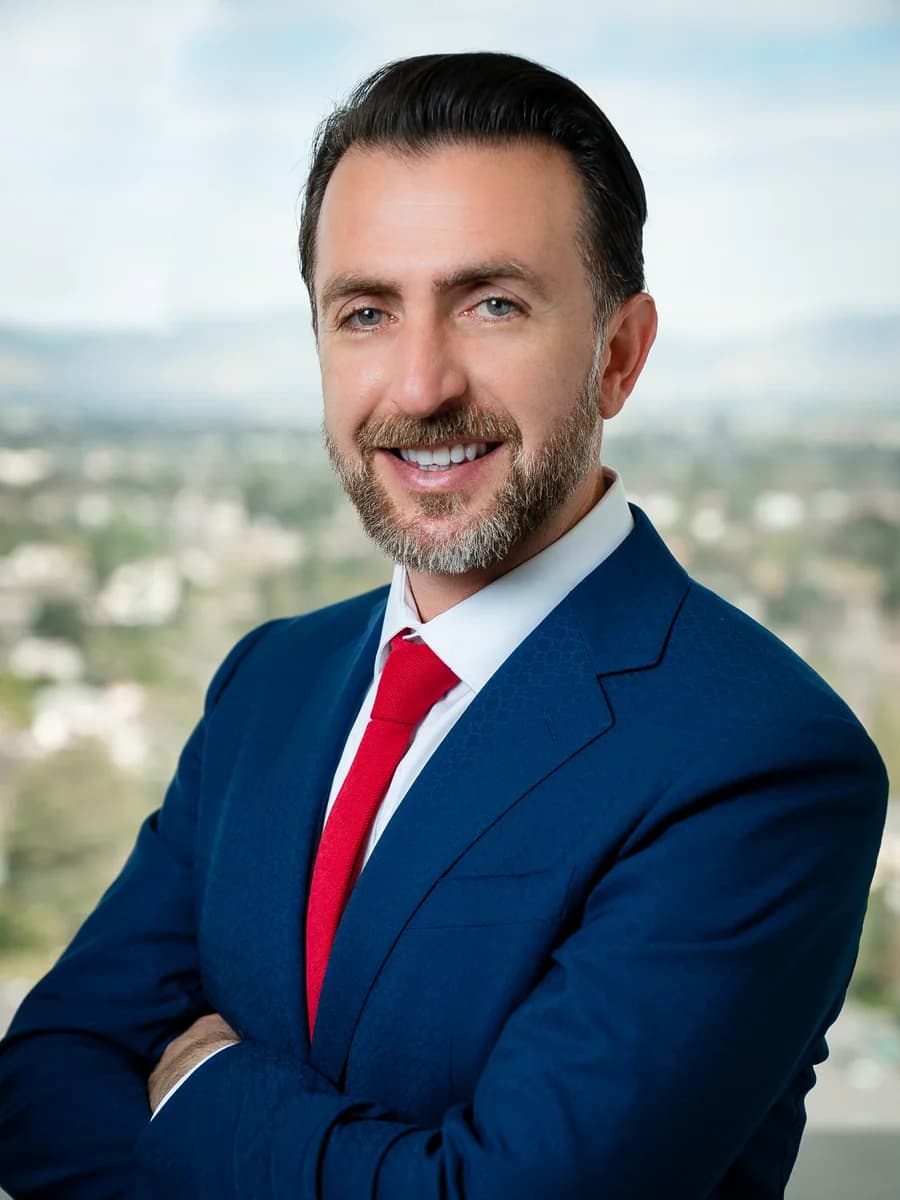
Founding Attorney, Ace Law Firm, P.C.
Verified relationship: Truck Accident Attorney
Listed focus: Car Accidents and Slip And Fall Accidents matters.
View ProfileView Truck Accident Attorney
Founder & California Personal Injury and Business Attorney
Verified relationship: Truck Crash Records and Attorney Fit
Listed focus: Personal Injury matters.
View ProfileView Truck Crash Records and Attorney Fit
Co-Founder & Lead Attorney
Verified relationship: Truck Crash Records and Attorney Fit
Listed focus: Personal Injury matters.
View ProfileView Truck Crash Records and Attorney FitStart with a free intake review, organized local records, and clear next steps. If appropriate, a participating attorney may review the request under a separate written agreement.