Archive evidence map
What this pedestrian collection can answer
This archive is built from the actual questions, entities, and named contributors in the articles below. Use it to compare published explanations; verify time-sensitive details in each article's source trail; and move to the practice hub, a verified attorney profile, or intake only when that next step matches your facts.
Boundary: an archive groups educational content. It does not establish fault, diagnose an injury, predict value, create representation, or prove that a named contributor reviewed every article version.
Primary question
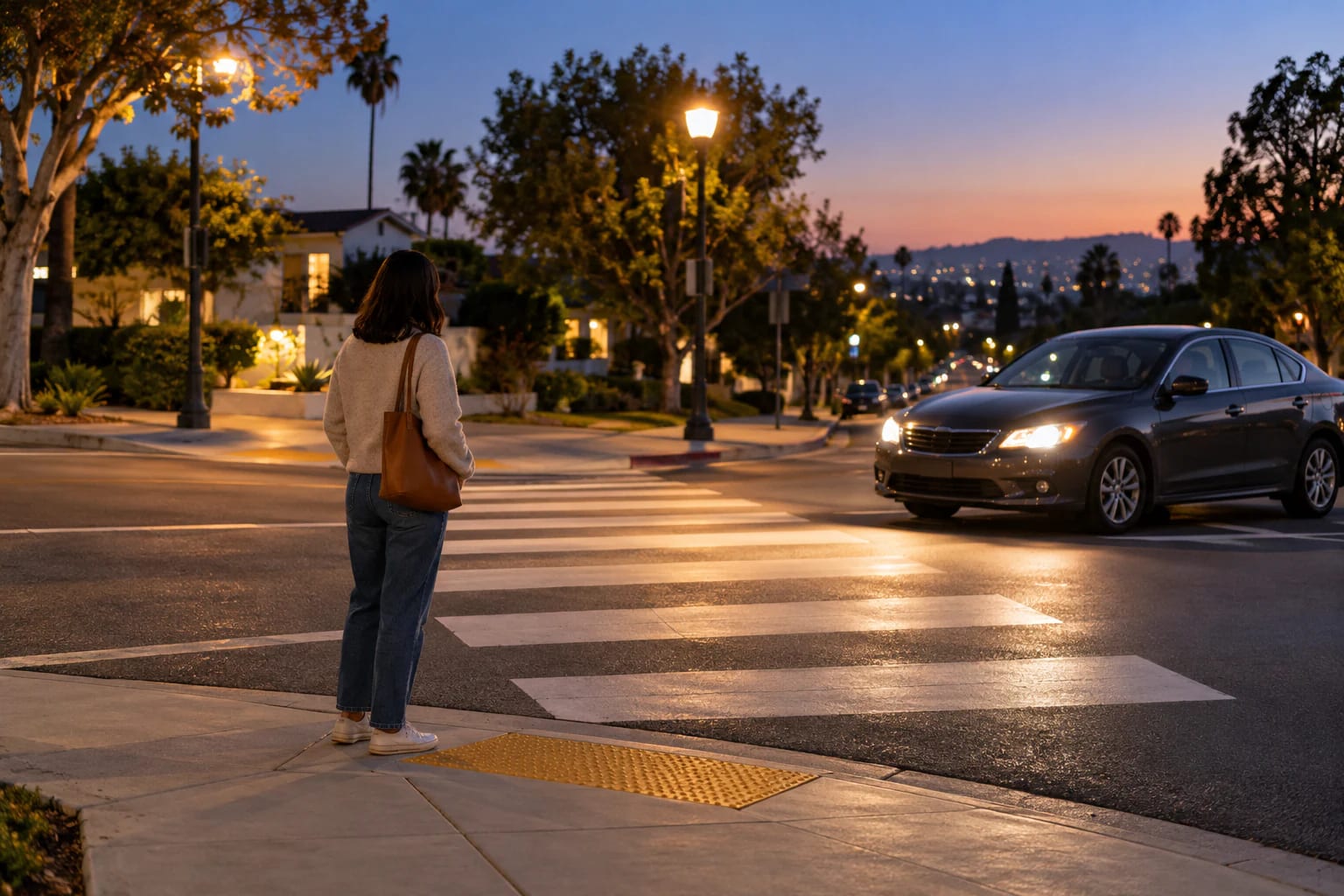
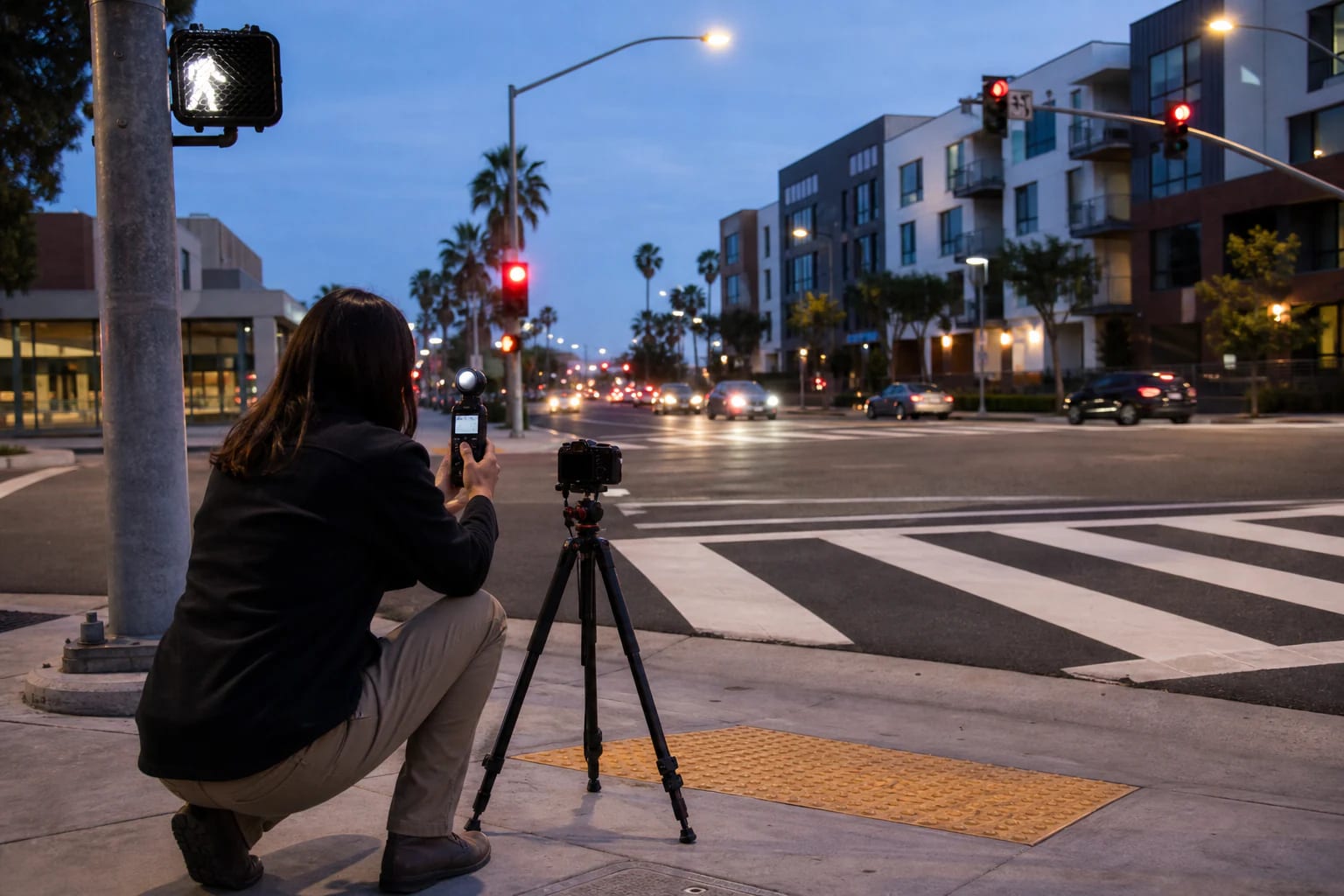
After Dark: Why Drivers Can Miss a Pedestrian in Plain Sight
A well-lit street can still leave a pedestrian hard to notice. Learn how recognition, glare, headlight range and crossing illumination affect nighttime visibility, what drivers and people walking can do, and how to report a concern without confusing a safety explanation with a legal conclusion.
Contributor: Hurt Advice Editorial Team | Topics: nighttime pedestrian visibility, crosswalk lighting, driver awareness
Review article and sourcesEvidence follow-up
California Pedestrian Crash Data: Time, Place, and Records
California’s pedestrian crash data can show statewide time, place, and severity patterns, but it cannot prove what happened in one collision. Use official figures as a question-builder, then keep a separate event worksheet for clocks, locations, records, and limitations. Label every dataset, preserve originals, and treat any mismatch as a follow-up issue—not a fault conclusion.
Contributor: Hurt Advice Editorial Team | Topics: California pedestrian crash data, pedestrian safety, SWITRS
Review article and sourcesDecision follow-up
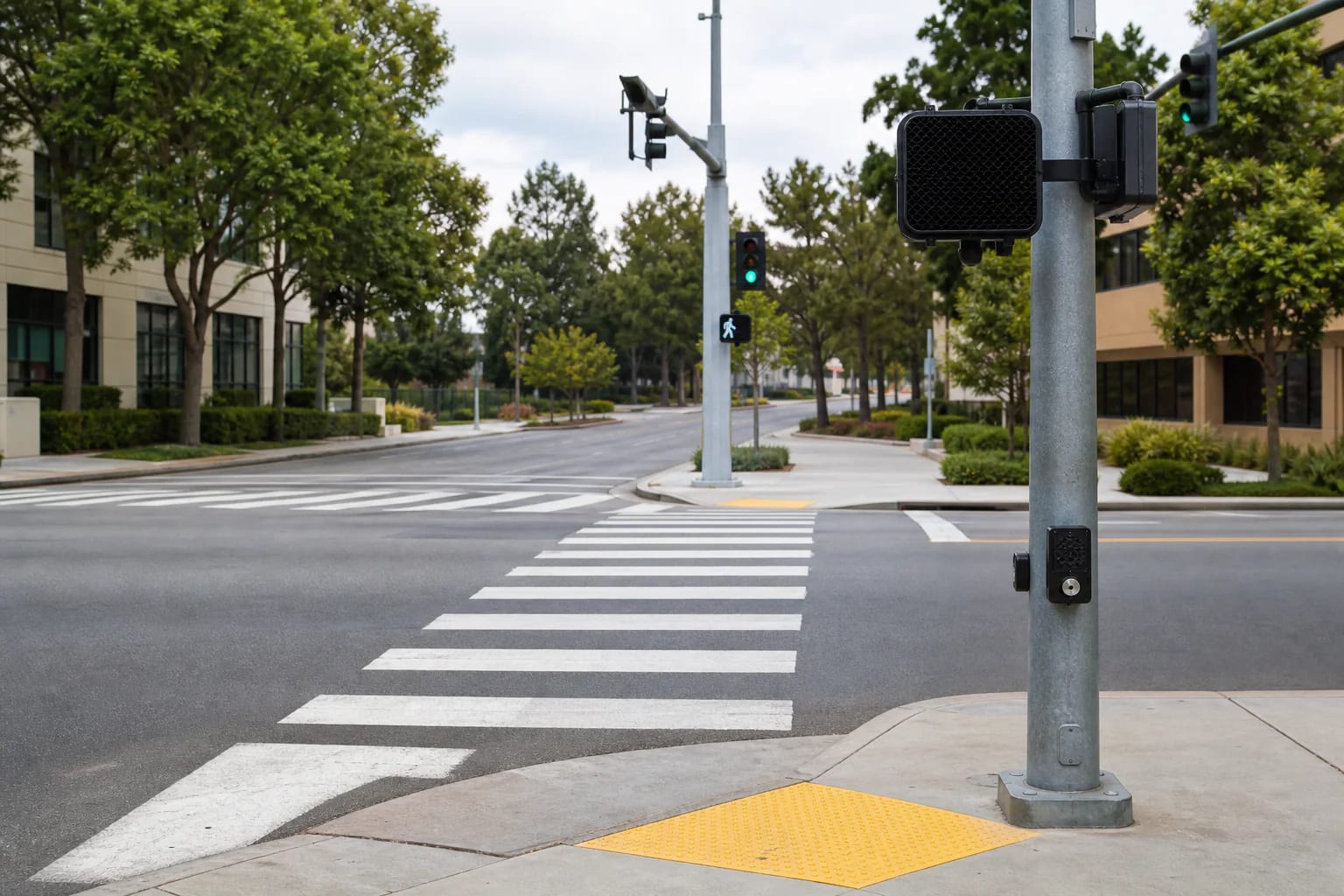
California Crosswalk Signal Timing Records: What to Request
After a California crosswalk incident, first identify who owned, operated, programmed, and maintained the signal. Then request the governing timing plan, pedestrian intervals, approved changes, detector and maintenance records, and any available controller data. Keep planned settings, field records, witness observations, and later changes separate; none alone proves a malfunction or fault.
Contributor: Hurt Advice Editorial Team | Topics: California Crosswalk Signal, Pedestrian Signal Timing, Traffic Signal Records
Review article and sourcesA source-aware route through this archive
Begin with “After Dark: Why Drivers Can Miss a Pedestrian in Plain Sight” because it is the current lead article for this collection, then compare its stated question, publication date, contributor, and source trail with the other entries rather than treating the archive title as the answer. The next article, “California Pedestrian Crash Data: Time, Place, and Records,” adds a separate evidence or decision angle that should be read on its own terms.
The declared topics for the lead article include nighttime pedestrian visibility, crosswalk lighting, driver awareness, pedestrian safety. Those labels help with navigation, but the article's visible citations and facts control. If a rule, statistic, credential, result, or agency instruction is time-sensitive, follow the original source and check the article's modified date before relying on the summary.
After reading, move to the pedestrian practice hub for claim-specific evidence, the resource center for checklists and timing, the location directory for California context, or a verified attorney profile for public license and firm information. That sequence keeps educational research separate from diagnosis, case valuation, assignment, and representation.