Motorcycle Injury Damages: Documenting Your Losses
After a motorcycle crash, preserve two related but different records: how the crash happened and what it cost. Keep the helmet, clothing and motorcycle condition available for inspection when safe, along with photographs, repair estimates, medical records and time away from work. California permits lane splitting, but that fact alone does not decide fault. A claim review should identify the exact maneuver and evidence before adding treatment, property loss or future care to a damages ledger.
Hurt Advice editorial guide. Source review: . This guide does not state that the attorney authored, reviewed or approved it. Visit the profile for public licensing and background records.
Review the attorney’s public background, then confirm experience and availability directly.
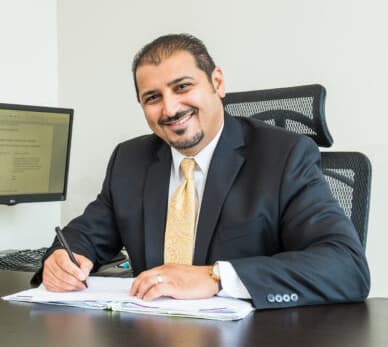
Raffi Naljian
Founder, Civil Litigation, Personal Injury & Criminal Defense Attorney
Raffi Garabed Naljian is the founder of Naljian Law Offices and an active California attorney under State Bar #238919. A Los Angeles Times profile says he founded the firm in 2008 after beginning his legal career in 1997, and the State Bar lists personal injury, litigation, criminal law, and business law among his self-reported practice areas.
View Raffi Naljian's full verified profilePrimary identity record
Learn more about Raffi Naljian
This is a focused supporting page. Use Raffi Naljian's full sourced attorney profile as the primary identity record for biography, role, languages, office information, and public-record links. Review that profile alongside the issue-specific preparation and public sources below.
The State Bar record lists Raffi Garabed Naljian as an active California attorney, State Bar #238919. Hurt Advice is a separate referral and legal information service, not the attorney's law firm.
How to Evaluate Attorney Fit for This Issue
Ask a lawyer which evidence would clarify the crash sequence, whether roadway or vehicle conditions require prompt preservation, and how each claimed loss will be documented. A damaged helmet can help show condition after impact; it does not by itself prove an injury diagnosis or a particular force. Confirm the actual policies, claim positions and any deadline before relying on a general motorcycle rule.
Consultation worksheet
Motorcycle crash loss and proof ledger
Use one row for each distinct loss. Identify its source, what changed and what is uncertain; do not enter personal claim details on this page.
There is no submit or save action. Copy your notes before leaving this page.
Which report, witness, photograph or video shows each vehicle’s position and movement? What is still disputed?
Which dated visit and bill support each claimed expense? Is any future care written by a treating provider or merely possible?
Which shifts changed, what did the employer record, and what restrictions are documented?
What pre-crash condition, ownership record, damage image, estimate and payment document support the property amount?
Which item was damaged, what photograph or purchase proof exists, and has it been preserved for possible inspection?
Sources for this guide
- California Highway Patrol: California motorcyclist safety and lane splitting
Official definition and safety context for lane splitting; legality alone does not resolve a crash dispute.
- California Department of Insurance: After an automobile accident
Official guidance to preserve scene, witness, vehicle, injury and claim information. Its older DMV reporting figures are not used here.
- Judicial Council of California Civil Jury Instructions (2026), CACI 3903A, 3903C, 3903J, 3903K and 3905A
Official categories of medical, earnings, property and noneconomic loss; each item still requires supporting facts and applicable law.
- California Courts: Claims against a government agency
Official warning that government-related claims can require a separate administrative process and earlier notice.
What to Do Next
- 1Seek appropriate medical care, then save the crash report number, witness contacts, scene and vehicle photographs, and any available video source or retention date.
- 2Preserve the helmet, riding gear and motorcycle in their post-crash condition when practical. Photograph labels and damage before repair or disposal and ask about any inspection needs.
- 3Create separate medical, work, motorcycle, gear and other expense entries. Attach a dated bill, receipt, estimate, payment or employer record to each.
- 4If the crash involved lane splitting or a road hazard, record lane positions, traffic movement, markings, surface and sight lines without assuming the label determines fault.
Evidence Checklist
- Police or collision report, scene photographs, witness details and available video
- Original helmet and riding gear or detailed condition photographs, plus purchase records if available
- Motorcycle damage photographs, maintenance records, repair estimate and proof of ownership
- Dated treatment notes, itemized bills and payment records
- Pay records and written restrictions for actual missed work; relevant policy and insurer correspondence
Keep your unanswered questions handy when comparing the attorney’s public profile with your needs.
Common Mistakes to Avoid
- Adding the motorcycle and protective gear to medical bills without keeping property losses distinct
- Treating lawful lane splitting as automatic freedom from comparative-fault questions
- Discarding damaged equipment before documenting it or allowing a needed inspection
- Assuming every road-condition complaint establishes public-agency liability or follows an ordinary claim deadline
How the Process Typically Works
Preserve the scene and equipment
Record traffic positions, road condition, witnesses, video and the condition of the bike and gear before they change.
Build separate loss ledgers
Pair medical care, missed work, bike damage and gear damage with their own documents and amounts.
Review disputed responsibility
Compare the actual maneuver and evidence with the insurer’s position; identify any special public-agency issue promptly.
Damages Questions to Discuss with Counsel
- •Which past expenses are supported by records and legally recoverable?
- •What qualified evidence supports future care or work limitations?
- •Which losses are disputed, and what additional documentation would clarify them?
- •Are other people’s claims or obligations separate from this claim?
Frequently Asked Questions
Does lane splitting decide who caused the crash?
No. CHP describes lane splitting as legal when done safely and prudently. A particular collision still requires evidence about speed, spacing, movement, visibility and each road user’s conduct.
Why keep a damaged helmet?
Its condition may be relevant to an investigation. Preserve and photograph it if safe, but ask a qualified professional to interpret it; visible damage alone does not establish an injury or a dollar amount.
Are motorcycle repairs and riding gear part of the injury bill?
Keep property damage in separate entries with ownership, condition, estimate and receipts. Whether a particular item is recoverable depends on responsibility, proof and the claim terms.
What if a road defect may have contributed?
Photograph the condition and location promptly and identify the agency or other party that may control the road. Government claims can have different notice rules, so ask about that question early.
Use the attorney’s public background as a starting point for a direct conversation about fit.
Related Resources
Free Intake Review
Share the basic facts and request help identifying an independent attorney who may be relevant
Secure intake request
Send your name and one way to reach you now. Case details are optional.
Important Disclosures
Attorney Advertising. Hurt Advice is a lawyer-referral and legal-information service, not a law firm. This website provides general information, not legal advice. Viewing a page or submitting a form does not create an attorney-client relationship. Independent participating attorneys decide whether to accept a matter, and representation begins only under a separate written agreement. Prior results do not guarantee a similar outcome; results depend on the facts and circumstances of each matter.