Parking Lot Accident Evidence: What to Gather
A parking-lot collision often turns on movement: backing, pulling through, turning in a lane or striking a parked car. Draw the exact aisle and stalls, then match each statement to a camera, witness or damage pattern. A private-lot location does not itself make every crash a fifty-fifty case or remove all reporting duties.
Hurt Advice editorial guide. Source review: . This guide does not state that the attorney authored, reviewed or approved it. Visit the profile for public licensing and background records.
Review the attorney’s public background, then confirm experience and availability directly.
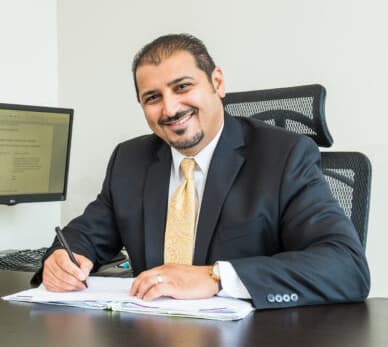
Raffi Naljian
Founder, Civil Litigation, Personal Injury & Criminal Defense Attorney
Raffi Garabed Naljian is the founder of Naljian Law Offices and an active California attorney under State Bar #238919. A Los Angeles Times profile says he founded the firm in 2008 after beginning his legal career in 1997, and the State Bar lists personal injury, litigation, criminal law, and business law among his self-reported practice areas.
View Raffi Naljian's full verified profilePrimary identity record
Learn more about Raffi Naljian
This is a focused supporting page. Use Raffi Naljian's full sourced attorney profile as the primary identity record for biography, role, languages, office information, and public-record links. Review that profile alongside the issue-specific preparation and public sources below.
The State Bar record lists Raffi Garabed Naljian as an active California attorney, State Bar #238919. Hurt Advice is a separate referral and legal information service, not the attorney's law firm.
How to Evaluate Attorney Fit for This Issue
The worksheet keeps lot design, vehicle movement and injury records separate. Counsel can review the actual traffic rules, reporting obligations and insurer positions for that setting. The public attorney profile is background rather than a claim that this guide was prepared by the attorney.
Consultation worksheet
Parking-lot movement and camera worksheet
Name each custodian and the fact its record may show. Write “unknown” for a camera angle or pre-impact movement that no source confirms.
There is no submit or save action. Copy your notes before leaving this page.
Who holds a current layout or ticket/entry log? Which aisle, stall, sign or obstructed view matters, and could markings have changed?
Which driver, witness or original camera saw backing, turning or parking before contact? Is the account firsthand?
Who holds both vehicles’ photos and repair history? Which contact points match this event rather than earlier damage?
Which lot operator, tenant or vendor controls each camera? Did it record this aisle and time, and has preservation been confirmed?
Is there a security incident number, police report or DMV SR-1 duty? Which exists, which is only requested and which facts trigger the duty?
Sources for this guide
- California DMV: Safe driving
Driver-handbook context for backing, observation and blind spots; it does not establish fault in an individual lot crash.
- California DMV: Financial responsibility and off-highway reporting
Official DMV explanation of Vehicle Code sections 16000 and 16000.1; off-highway reporting depends on the particular incident facts.
- California DMV: Report of Traffic Accident (SR-1)
Current DMV instructions identify the conditions for an SR-1, the separate 10-day filing duty and information needed; a police or insurer report does not replace it.
- California Department of Insurance: After an accident
Official consumer guidance on documenting a collision, exchanging driver and vehicle details, recording witness contacts and retaining claim communications. Use the current DMV page for SR-1 thresholds.
- California Courts: Subpoena business records
Explains the formal process for obtaining nonparty business records in a lawsuit and the notice required for consumer or employee records; a private request alone does not compel production.
What to Do Next
- 1Record the stall or aisle number, entry and exit routes, signs, striping, sight obstructions and final vehicle positions when safe.
- 2Save original dashcam and scene files, vehicle damage views and witness contacts, noting which source shows movement before contact.
- 3Identify the lot operator, security desk, nearby tenant and camera vendors; request a report number and appropriate preservation without assuming footage exists.
- 4Check current DMV and insurer reporting instructions for the actual facts and keep any filed report separately from a lot incident form.
Evidence Checklist
- Original photos or sketch of exact stalls, aisles, signs and sightlines
- Pre-contact dashcam or independent witness account and contact details
- Vehicle contact-point photos and repair documents, including known earlier damage
- Lot incident number, camera custodian response and any police or DMV report
Keep your unanswered questions handy when comparing the attorney’s public profile with your needs.
Common Mistakes to Avoid
- Assuming a backing vehicle or both drivers must carry a fixed percentage of fault
- Calling a camera visible without checking whether it covered the aisle or recorded the event
- Assuming private property means a collision need never be reported
How the Process Typically Works
Map the lot
Fix the exact stall, travel direction, markings and any obstruction before the scene changes.
Resolve movement
Compare witnesses, original video and contact points to determine what each vehicle did before impact.
Track reports and holders
Keep lot, police, insurer and DMV records distinct; confirm which footage or incident log exists and who controls it.
Frequently Asked Questions
Is a parking-lot crash automatically shared fault?
No. A location alone does not assign percentages. The movement, visibility, markings, conduct and available evidence must be reviewed.
Does a store have to hand over its camera file on request?
You can identify the operator and request voluntary preservation or access. A private operator’s footage is not automatically available; formal production may require legal process.
Does an SR-1 apply on private property?
California reporting law has specific provisions for off-highway incidents. Check the current DMV instructions and the facts, including injuries or damage, rather than treating private property as a blanket exemption.
Use the attorney’s public background as a starting point for a direct conversation about fit.
Related Resources
Free Intake Review
Share the basic facts and request help identifying an independent attorney who may be relevant
Secure intake request
Send your name and one way to reach you now. Case details are optional.
Important Disclosures
Attorney Advertising. Hurt Advice is a lawyer-referral and legal-information service, not a law firm. This website provides general information, not legal advice. Viewing a page or submitting a form does not create an attorney-client relationship. Independent participating attorneys decide whether to accept a matter, and representation begins only under a separate written agreement. Prior results do not guarantee a similar outcome; results depend on the facts and circumstances of each matter.