Weather-Related Accident Evidence Guide
Evidence is easier to evaluate when each record has a source, a custodian and a question it may answer. This guide focuses on weather-related accident evidence guide. Preserve original material and keep uncertain points separate from documented facts.
Hurt Advice editorial guide. Source review: . This guide does not state that the attorney authored, reviewed or approved it. Visit the profile for public licensing and background records.
Review the attorney’s public background, then confirm experience and availability directly.
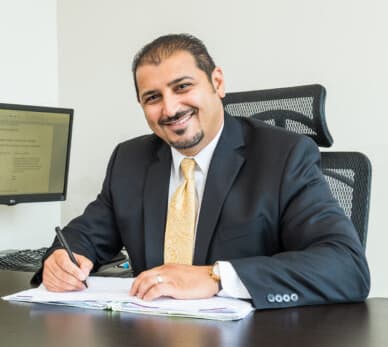
Raffi Naljian
Founder, Civil Litigation, Personal Injury & Criminal Defense Attorney
Raffi Garabed Naljian is the founder of Naljian Law Offices and an active California attorney under State Bar #238919. A Los Angeles Times profile says he founded the firm in 2008 after beginning his legal career in 1997, and the State Bar lists personal injury, litigation, criminal law, and business law among his self-reported practice areas.
View Raffi Naljian's full verified profilePrimary identity record
Learn more about Raffi Naljian
This is a focused supporting page. Use Raffi Naljian's full sourced attorney profile as the primary identity record for biography, role, languages, office information, and public-record links. Review that profile alongside the issue-specific preparation and public sources below.
The State Bar record lists Raffi Garabed Naljian as an active California attorney, State Bar #238919. Hurt Advice is a separate referral and legal information service, not the attorney's law firm.
How to Evaluate Attorney Fit for This Issue
Attorney fit for weather-related accident evidence guide depends on the specific facts, the work required, verified experience, communication and the complete written fee agreement. Review the linked public profile and ask how the responsible lawyer would approach the evidence, policy issues and deadlines in your matter. Hurt Advice does not promise attorney acceptance, representation or a result.
California evidence brief
Reconstruct the weather, roadway, and driver response together
Rain, fog, wind, smoke, or ice does not answer fault by itself. California’s basic speed law requires speed to remain reasonable and prudent for weather, visibility, traffic, and roadway conditions. Preserve proof of the conditions at the collision time, the roadway response, vehicle condition, and what each driver did. Real-time public feeds can change quickly, so save the incident-specific record rather than relying on a later weather summary.
Records and actions that clarify the issue
Capture the condition at the collision time
Save photographs, videos, witness descriptions, dispatch records, and available official roadway notices showing precipitation, standing water, visibility, wind, debris, chain controls, lane closures, or flooding near the scene.
Why it matters: A regional weather report may not establish the condition of one block or freeway segment. Time-stamped, location-specific evidence helps separate the actual hazard from assumptions based on the day’s forecast.
Document the road and drainage features
Photograph lane markings, grade, curves, drains, pooled water, potholes, shoulder condition, warning signs, work zones, and sight obstructions. Note which agency appears to control the road without assuming responsibility.
Why it matters: Weather can interact with drainage, maintenance, design, or construction. Identifying the feature and the responsible public or private record holder is more useful than broadly blaming “bad roads.”
Preserve vehicle-condition evidence
Keep tire photographs and service records, wiper and light condition, dashcam files, damage photographs, and available event or telematics data. Do not authorize destructive inspection without discussing preservation needs.
Why it matters: Tires, lighting, braking, steering, and driver inputs may matter when reduced visibility or traction is disputed. The evidence can disappear during repair, salvage, or routine data overwrite.
Questions to answer with the evidence
- What official or time-stamped record shows conditions at the exact location and time?
- Did the driver adjust speed and following distance to visibility and road conditions?
- Was a drainage, maintenance, design, or construction condition involved?
- Which vehicle, agency, camera, or phone records require immediate preservation?
Primary California sources
- California Vehicle Code section 22350
Primary statutory text for California’s reasonable-and-prudent speed requirement under weather, visibility, traffic, and roadway conditions.
- Caltrans QuickMap information guide
Official explanation of real-time state-highway layers such as closures, CHP incidents, highway conditions, cameras, and chain controls.
These sources provide general California context. Deadlines, admissibility, available claims, and required proof depend on the specific facts and should be reviewed individually.
What to Do Next
- 1Document weather conditions at the time
- 2Photograph road conditions and visibility
- 3Note whether other drivers navigated safely
- 4Get witness statements about conditions
- 5Request official weather data for the time and location
- 6Document any warnings or advisories in effect
- 7Preserve dashcam footage showing conditions
- 8Consult an attorney about fault despite weather
Evidence Checklist
- Official weather records for date/time/location
- Photos of road conditions
- Documentation of visibility
- Witness statements about conditions
- Whether weather warnings were issued
- Speed limits and advisory signs
- Other drivers' successful navigation
- Police report noting weather factors
- Dashcam footage if available
Keep your unanswered questions handy when comparing the attorney’s public profile with your needs.
Common Mistakes to Avoid
- Assuming weather absolves the other driver
- Not documenting conditions at the scene
- Failing to get official weather records
- Not noting that other traffic navigated safely
- Accepting blame because "it was raining"
- Waiting too long to document conditions
- Not preserving dashcam evidence
Use the attorney’s public background as a starting point for a direct conversation about fit.
Related Resources
Free Intake Review
Share the basic facts and request help identifying an independent attorney who may be relevant
Secure intake request
Send your name and one way to reach you now. Case details are optional.
Important Disclosures
Attorney Advertising. Hurt Advice is a lawyer-referral and legal-information service, not a law firm. This website provides general information, not legal advice. Viewing a page or submitting a form does not create an attorney-client relationship. Independent participating attorneys decide whether to accept a matter, and representation begins only under a separate written agreement. Prior results do not guarantee a similar outcome; results depend on the facts and circumstances of each matter.