Choosing an Attorney After a Hit-and-Run Collision
Choosing counsel after a hit-and-run involves two connected questions: what can identify the fleeing driver, and what coverage might respond if that person is not found. A police report and witness lead are starting points, not proof of coverage. Ask each candidate who would preserve nearby video, review the complete uninsured-motorist policy and check every required notice or other policy condition. The worksheet helps compare that plan while the evidence is still accessible.
Hurt Advice editorial guide. Source review: . This guide does not state that the attorney authored, reviewed or approved it. Visit the profile for public licensing and background records.
Review the attorney’s public background, then confirm experience and availability directly.
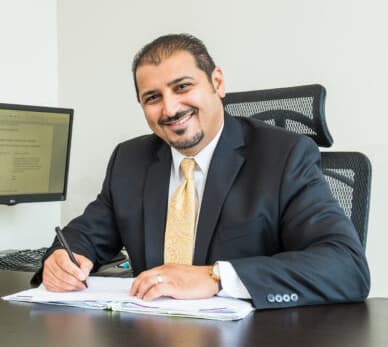
Raffi Naljian
Founder, Civil Litigation, Personal Injury & Criminal Defense Attorney
Raffi Garabed Naljian is the founder of Naljian Law Offices and an active California attorney under State Bar #238919. A Los Angeles Times profile says he founded the firm in 2008 after beginning his legal career in 1997, and the State Bar lists personal injury, litigation, criminal law, and business law among his self-reported practice areas.
View Raffi Naljian's full verified profilePrimary identity record
Learn more about Raffi Naljian
This is a focused supporting page. Use Raffi Naljian's full sourced attorney profile as the primary identity record for biography, role, languages, office information, and public-record links. Review that profile alongside the issue-specific preparation and public sources below.
The State Bar record lists Raffi Garabed Naljian as an active California attorney, State Bar #238919. Hurt Advice is a separate referral and legal information service, not the attorney's law firm.
How to Evaluate Attorney Fit for This Issue
California Insurance Code section 11580.2 has special provisions for an unidentified vehicle, including physical-contact and prompt reporting conditions for the bodily-injury coverage described there. Eligibility depends on the facts and policy; the phrase “hit and run” is not enough. Look for a lawyer who separates the search for the driver from the insurance analysis, explains which records may establish contact and injury, and identifies the person responsible for notices.
Consultation worksheet
Hit-and-run lawyer interview: two-track plan
Keep driver-identification leads and insurance conditions in separate columns. Ask what document would verify each point.
There is no submit or save action. Copy your notes before leaving this page.
What is the best current identification lead, who holds the next record and who follows up?
Which footage may exist, when could it be overwritten and what preservation request is proposed?
Which policy or statutory condition applies to an unidentified vehicle, and what fact or record is still missing?
Which reports and insurer notices have been made, and who verifies any remaining requirement?
Does counsel handle both paths, and who approves investigation, expert or litigation expenses?
Sources for this guide
- State Bar of California: Before selecting an attorney
Explains how consumers can check a lawyer’s standing and compare candidates before choosing representation.
- State Bar of California: Fees and billing
Supports asking about the fee arrangement, case expenses, billing and the written scope of work.
- California Insurance Code section 11580.2
California uninsured and underinsured motorist coverage statute, including coverage and procedural provisions that require policy- and fact-specific review.
- California Department of Insurance: Automobile Insurance
Current consumer guide to California auto insurance, claims and coverage questions; specific policies and facts still require review.
- California Department of Motor Vehicles: Report a traffic accident
Current DMV collision reporting route; DMV reporting, police reporting and UM insurer notice are separate requirements.
Compare Counsel Step by Step
- 1Write a factual timeline, report number, vehicle description and witness leads. Identify nearby video holders without assuming footage exists.
- 2Collect the complete applicable policies and each insurer’s dated claim or coverage communication.
- 3Verify candidates and compare the driver-identification plan, video follow-up and policy-condition analysis.
- 4Review written scope for investigative expenses, insurer disputes and litigation if the driver is found.
Records for Comparing Candidates
- Police report or incident number, original photographs, witness contacts and partial vehicle identifiers
- A dated list of cameras, businesses or agencies that may hold footage and any request responses
- Full policy, declarations, endorsements, insurer correspondence and dates of any notices
- Candidate notes on identification, coverage conditions, responsible lawyer and investigative expenses
Keep your unanswered questions handy when comparing the attorney’s public profile with your needs.
Common Mistakes to Avoid
- Assuming the unidentified driver automatically qualifies for UM benefits
- Waiting for a police investigation to finish before asking about video or notice requirements
- Treating a partial plate or camera lead as confirmed identification
- Hiring counsel without clarifying whether the agreement covers both insurance and driver-identification work
How the Process Typically Works
Preserve leads
List witnesses and possible video holders; ask who will seek or preserve each record promptly.
Read the coverage terms
Compare the policy and section 11580.2 requirements with the actual collision facts and reports.
Assign next actions
Confirm who handles notices, insurer communication, investigation costs and a newly identified driver.
Frequently Asked Questions
Can a claim proceed if police never identify the driver?
Possibly, but section 11580.2 sets physical-contact and prompt police and insurer reporting conditions for the unknown-vehicle bodily-injury coverage it describes. Ask counsel to check the facts, reports and complete policy before assuming coverage exists.
Should I wait for police before contacting counsel?
A police investigation and a coverage review can proceed on different tracks. Ask promptly which records could be lost and which report or insurer notice requirement applies; do not assume the investigation pauses those steps.
What if I have only part of a license plate?
Preserve exactly what you observed and the source of the observation. A partial identifier may be a lead, but counsel should explain how it would be verified with other records rather than promise that it will identify a driver.
Use the attorney’s public background as a starting point for a direct conversation about fit.
Related Resources
Free Intake Review
Share the basic facts and request help identifying an independent attorney who may be relevant
Secure intake request
Send your name and one way to reach you now. Case details are optional.
Important Disclosures
Attorney Advertising. Hurt Advice is a lawyer-referral and legal-information service, not a law firm. This website provides general information, not legal advice. Viewing a page or submitting a form does not create an attorney-client relationship. Independent participating attorneys decide whether to accept a matter, and representation begins only under a separate written agreement. Prior results do not guarantee a similar outcome; results depend on the facts and circumstances of each matter.