What to Do After a Bicycle Accident
A bicycle crash can turn on details a car-crash checklist misses: bike-lane position, a vehicle’s turn across the path, passing clearance or a roadway hazard. Seek appropriate medical care and record the bicycle and the place of contact before repairs. California cyclists have road rights and duties, with exceptions to ordinary lane positioning. The evidence should answer which movement or condition mattered, not begin with an assumption that either road user was at fault.
Hurt Advice editorial guide. Source review: . This guide does not state that the attorney authored, reviewed or approved it. Visit the profile for public licensing and background records.
Review the attorney’s public background, then confirm experience and availability directly.
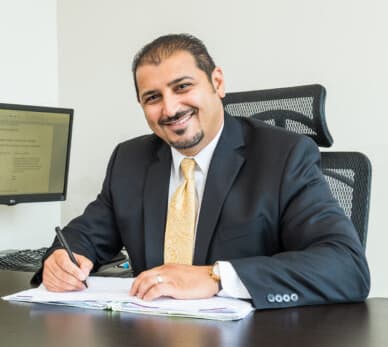
Raffi Naljian
Founder, Civil Litigation, Personal Injury & Criminal Defense Attorney
Raffi Garabed Naljian is the founder of Naljian Law Offices and an active California attorney under State Bar #238919. A Los Angeles Times profile says he founded the firm in 2008 after beginning his legal career in 1997, and the State Bar lists personal injury, litigation, criminal law, and business law among his self-reported practice areas.
View Raffi Naljian's full verified profilePrimary identity record
Learn more about Raffi Naljian
This is a focused supporting page. Use Raffi Naljian's full sourced attorney profile as the primary identity record for biography, role, languages, office information, and public-record links. Review that profile alongside the issue-specific preparation and public sources below.
The State Bar record lists Raffi Garabed Naljian as an active California attorney, State Bar #238919. Hurt Advice is a separate referral and legal information service, not the attorney's law firm.
How to Evaluate Attorney Fit for This Issue
Ask a prospective lawyer which legal and factual issue the record actually raises: passing space, turning across a bike lane, door opening, road maintenance or disputed visibility. Identify the driver, road controller and any camera custodian before choosing an investigation path.
Consultation worksheet
Bicycle collision movement worksheet
Capture facts before evaluating fault. Leave driver speed, visibility or lane position unknown where no reliable source establishes it.
There is no submit or save action. Copy your notes before leaving this page.
Where was the bicycle relative to the lane, bike lane, parked cars and intersection at contact?
Was the vehicle turning, passing, merging or opening a door? What photo, witness or video supports that account?
Who holds the bicycle, helmet, camera or ride data, and who controls any street-side video?
Which road rule or hazard is relevant, and what fact is still needed before anyone can apply it?
Sources for this guide
- California DMV: Bicyclists and pedestrians
Official guidance on road sharing and driver awareness of bicyclists.
- California Vehicle Code section 21200
Primary text on bicyclists’ road rights and duties.
- California Vehicle Code section 21202
Primary text on bicycle lane position and its exceptions.
- California Vehicle Code section 21760
Primary text on motorists passing a bicycle safely, subject to actual facts and statutory wording.
- California DMV: Report of Traffic Accident Occurring in California (SR-1)
Explains when the separate DMV accident report is required, what information it needs, and the applicable timing.
What to Do Next
- 1Address safety and injuries; record the bicycle’s position, travel direction and the vehicle’s movement without entering an unsafe roadway to take photos.
- 2Photograph lane markings, parking or door zone, turn path, impact point, bicycle damage, helmet condition and any roadway defect.
- 3Preserve the bicycle, helmet and attached camera data before repair; locate witnesses or businesses with a view of the approach.
- 4Keep the investigating agency’s report number and written insurance correspondence; check whether a qualifying traffic accident needs a separate DMV filing.
Evidence Checklist
- Dated road and lane photographs showing bicycle position, signs and turn or passing path
- Unrepaired bicycle, helmet, clothing, lights and digital ride or camera files
- Witness vantage points, driver and vehicle identifiers, and camera custodians
- Medical chronology, report number, insurance communications and any road-maintenance report
Keep your unanswered questions handy when comparing the attorney’s public profile with your needs.
Common Mistakes to Avoid
- Discarding or repairing the bicycle before its damage pattern is recorded
- Assuming a bike-lane marking resolves whether a turn or lane change was lawful
- Treating bicycle lane-position exceptions or the passing rule as automatic fault findings
- Overlooking a possible public roadway controller when a physical defect contributed
How the Process Typically Works
Fix the scene
Record bike and car movements, lane markings and the exact contact or hazard location.
Preserve equipment and digital files
Keep the bicycle and helmet condition, camera files and witness positions available for review.
Identify the issue and parties
Separate a driver movement from a road-condition question, then check coverage and public-agency procedure if relevant.
Frequently Asked Questions
Must a bicyclist always ride at the far right?
No. California Vehicle Code section 21202 describes several exceptions, including avoiding hazards and preparing for turns. Position has to be assessed against the specific road and movement.
Does the three-foot passing rule decide every bicycle case?
No. Vehicle Code section 21760 is relevant to passing, but a collision may involve a turn, door, intersection or roadway condition instead. Record the actual movement and clearance evidence.
Should I keep a damaged helmet or bicycle?
Yes, when feasible. Photograph it and avoid repair or disposal until the damage has been documented and preservation needs considered. A later photograph cannot fully recreate its original condition.
Use the attorney’s public background as a starting point for a direct conversation about fit.
Related Resources
Free Intake Review
Share the basic facts and request help identifying an independent attorney who may be relevant
Secure intake request
Send your name and one way to reach you now. Case details are optional.
Important Disclosures
Attorney Advertising. Hurt Advice is a lawyer-referral and legal-information service, not a law firm. This website provides general information, not legal advice. Viewing a page or submitting a form does not create an attorney-client relationship. Independent participating attorneys decide whether to accept a matter, and representation begins only under a separate written agreement. Prior results do not guarantee a similar outcome; results depend on the facts and circumstances of each matter.