Referral intake reviewES
Topic archive

Workplace legal articles

Source-supported workplace articles, legal explainers, and practical guidance with transparent editorial or attorney attribution from Hurt Advice.

Articles in archive

5

Authors covering this topic

1

All Workplace articles

Newest guidance first.

This collection currently contains 5 published articles. Every entry below is a direct link to its public page and visible source trail.

Archive evidence map

What this workplace collection can answer

This archive is built from the actual questions, entities, and named contributors in the articles below. Use it to compare published explanations; verify time-sensitive details in each article's source trail; and move to the practice hub, a verified attorney profile, or intake only when that next step matches your facts.

Boundary: an archive groups educational content. It does not establish fault, diagnose an injury, predict value, create representation, or prove that a named contributor reviewed every article version.

Primary question

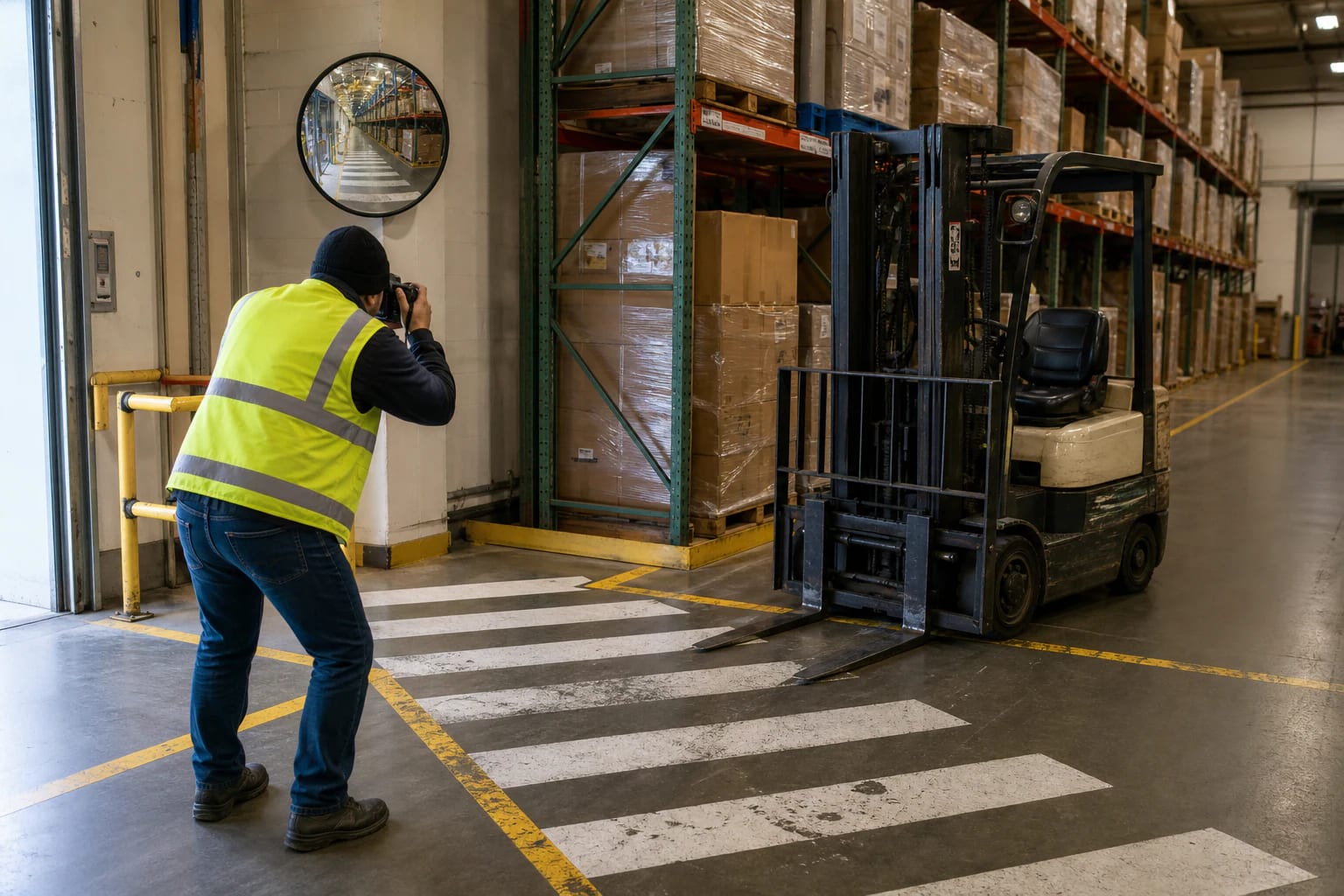
Rebuilding a Forklift-Pedestrian Timeline in California

To rebuild a California forklift-pedestrian timeline, align four separate tracks: the specific truck's shift check and movement, the pedestrian's assigned route and task, the aisle's visibility and traffic controls, and the investigation or correction record created afterward. Preserve original timestamps and identifiers. Treat a missing or conflicting entry as a focused follow-up question, not automatic proof of fault.

Contributor: Hurt Advice Editorial Team | Topics: California forklift pedestrian timeline records, warehouse aisle map, forklift shift inspection

Review article and sources

Evidence follow-up

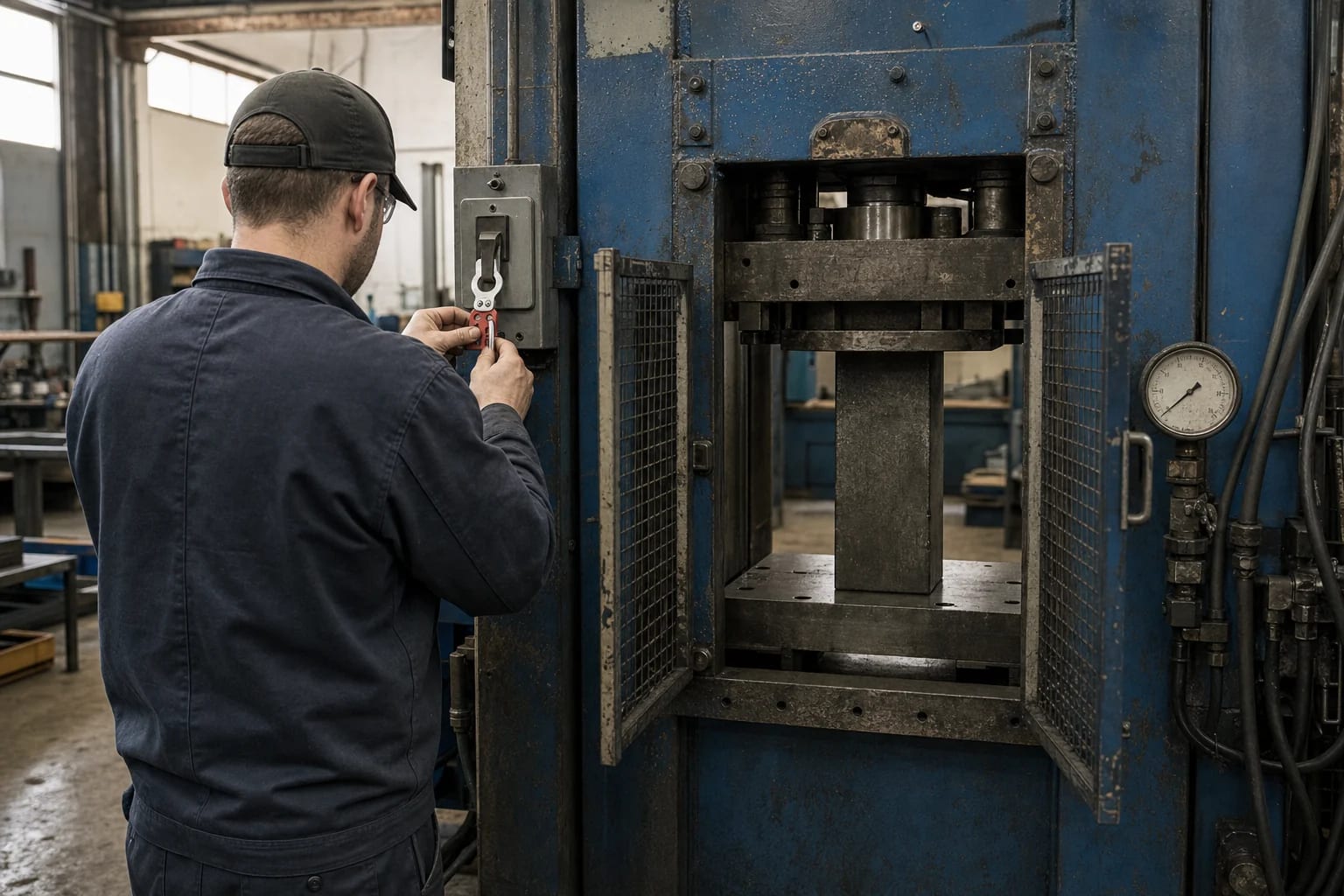
Machine Lockout and Maintenance Records After a California Workplace Injury

After a California workplace machine injury, identify the exact equipment and task, map every hazardous-energy source, preserve safe observations, and request the event-date lockout, inspection, maintenance, training, contractor, incident, and change records without touching equipment or treating one lock, procedure, or later condition as complete proof.

Contributor: Hurt Advice Editorial Team | Topics: California Machine Lockout Records, Hazardous Energy Control, Machine Maintenance Records

Review article and sources

Decision follow-up

Workplace Shift, Payroll, and Training Records After a California Injury

After a California workplace injury, preserve the schedule you received, your own time records and wage statements, relevant personnel or training records, and available safety records as separate sources. Request each category from the correct custodian, keep original versions, and do not assume a record about your employment gives you access to a coworker’s private information.

Contributor: Hurt Advice Editorial Team | Topics: California Workplace Injury Records, Shift Schedules, Payroll Records

Review article and sources

A source-aware route through this archive

Begin with “Rebuilding a Forklift-Pedestrian Timeline in California” because it is the current lead article for this collection, then compare its stated question, publication date, contributor, and source trail with the other entries rather than treating the archive title as the answer. The next article, “Machine Lockout and Maintenance Records After a California Workplace Injury,” adds a separate evidence or decision angle that should be read on its own terms.

The declared topics for the lead article include California forklift pedestrian timeline records, warehouse aisle map, forklift shift inspection, operator training. Those labels help with navigation, but the article's visible citations and facts control. If a rule, statistic, credential, result, or agency instruction is time-sensitive, follow the original source and check the article's modified date before relying on the summary.

After reading, move to the workplace practice hub for claim-specific evidence, the resource center for checklists and timing, the location directory for California context, or a verified attorney profile for public license and firm information. That sequence keeps educational research separate from diagnosis, case valuation, assignment, and representation.

Verification notes for this workplace archive

These notes reflect the current articles in this archive. They identify what to verify before treating an article summary as current or complete.

  1. 1.Lead article: “Rebuilding a Forklift-Pedestrian Timeline in California” frames its answer as follows: To rebuild a California forklift-pedestrian timeline, align four separate tracks: the specific truck's shift check and movement, the pedestrian's assigned route and task, the aisle's visibility and traffic controls, and the investigation or correction record created afterward. Preserve original timestamps and identifiers. Treat a missing or conflicting entry as a focused follow-up question, not automatic proof of fault.
  2. 2.For “Rebuilding a Forklift-Pedestrian Timeline in California,” verify claims against the article's visible source trail and modified date; its declared topics are California forklift pedestrian timeline records, warehouse aisle map, forklift shift inspection, operator training.
  3. 3.Hurt Advice Editorial Team is the named contributor for “Rebuilding a Forklift-Pedestrian Timeline in California.” Use the contributor link and verified profile to distinguish authorship, public credentials, and firm information from Hurt Advice's separate platform role.
  4. 4.Follow-up article 2: “Machine Lockout and Maintenance Records After a California Workplace Injury” frames its answer as follows: After a California workplace machine injury, identify the exact equipment and task, map every hazardous-energy source, preserve safe observations, and request the event-date lockout, inspection, maintenance, training, contractor, incident, and change records without touching equipment or treating one lock, procedure, or later condition as complete proof.
  5. 5.For “Machine Lockout and Maintenance Records After a California Workplace Injury,” verify claims against the article's visible source trail and modified date; its declared topics are California Machine Lockout Records, Hazardous Energy Control, Machine Maintenance Records, Lockout Tagout Procedure.
  6. 6.Hurt Advice Editorial Team is the named contributor for “Machine Lockout and Maintenance Records After a California Workplace Injury.” Use the contributor link and verified profile to distinguish authorship, public credentials, and firm information from Hurt Advice's separate platform role.
  7. 7.Follow-up article 3: “Workplace Shift, Payroll, and Training Records After a California Injury” frames its answer as follows: After a California workplace injury, preserve the schedule you received, your own time records and wage statements, relevant personnel or training records, and available safety records as separate sources. Request each category from the correct custodian, keep original versions, and do not assume a record about your employment gives you access to a coworker’s private information.
  8. 8.For “Workplace Shift, Payroll, and Training Records After a California Injury,” verify claims against the article's visible source trail and modified date; its declared topics are California Workplace Injury Records, Shift Schedules, Payroll Records, Time Records.
  9. 9.Hurt Advice Editorial Team is the named contributor for “Workplace Shift, Payroll, and Training Records After a California Injury.” Use the contributor link and verified profile to distinguish authorship, public credentials, and firm information from Hurt Advice's separate platform role.

Start with the question that matches your situation

Use this archive to compare the biggest questions people ask about workplace, then move into the practice hub or a named attorney archive when you want a more specific next step.

Archive next steps

Keep this topic connected to the rest of the site.

Topic archives work best when they route readers to the relevant legal issue, the right support material, and useful local guidance before the next decision point.

Archive architecture

Keep the workplace archive connected to the rest of the site.

A strong topic archive should help people move from articles into the right practice hub, the right support resources, and the right attorney or local surface without losing the thread.