Choosing a Lawyer After a Pedestrian Accident
A useful pedestrian-injury consultation starts with where the person crossed, what the signals showed, the driver’s path and what evidence may still exist. The crosswalk label alone cannot settle every right-of-way or fault issue. Ask each candidate how they would reconstruct sight lines, preserve video and assess the actual injury documentation. The worksheet gives you a way to compare their answers without treating an interview as a case outcome.
Hurt Advice editorial guide. Source review: . This guide does not state that the attorney authored, reviewed or approved it. Visit the profile for public licensing and background records.
Review the attorney’s public background, then confirm experience and availability directly.
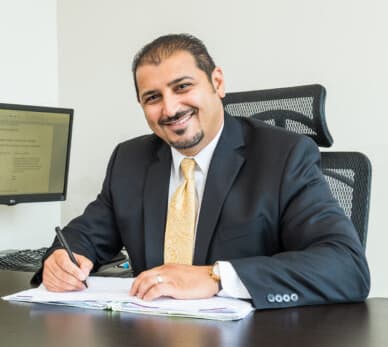
Raffi Naljian
Founder, Civil Litigation, Personal Injury & Criminal Defense Attorney
Raffi Garabed Naljian is the founder of Naljian Law Offices and an active California attorney under State Bar #238919. A Los Angeles Times profile says he founded the firm in 2008 after beginning his legal career in 1997, and the State Bar lists personal injury, litigation, criminal law, and business law among his self-reported practice areas.
View Raffi Naljian's full verified profilePrimary identity record
Learn more about Raffi Naljian
This is a focused supporting page. Use Raffi Naljian's full sourced attorney profile as the primary identity record for biography, role, languages, office information, and public-record links. Review that profile alongside the issue-specific preparation and public sources below.
The State Bar record lists Raffi Garabed Naljian as an active California attorney, State Bar #238919. Hurt Advice is a separate referral and legal information service, not the attorney's law firm.
How to Evaluate Attorney Fit for This Issue
California Vehicle Code sections 21950 and 21954 describe different crossing situations and the duties of pedestrians and drivers. Ask a candidate which section and facts they would investigate rather than accepting a general statement that pedestrians always have, or never have, priority. If injury effects are substantial, ask who would organize medical, work and daily-function records and when specialized help would be justified.
Consultation worksheet
Pedestrian-injury consultation worksheet
Record which facts are verified and which are only recalled. Ask each candidate the same questions.
There is no submit or save action. Copy your notes before leaving this page.
What fact controls the right-of-way question here, and what record could corroborate the signal or crossing location?
Who would examine lighting, obstructions, vehicle path and available cameras?
Which provider, work or functional record is missing, and why would it matter?
Who would investigate now, negotiate later and handle litigation if needed?
What scene, video or expert work might be proposed, and who approves and repays those costs?
Sources for this guide
- State Bar of California: Before selecting an attorney
Explains how consumers can check a lawyer’s standing and compare candidates before choosing representation.
- State Bar of California: Fees and billing
Supports asking about the fee arrangement, case expenses, billing and the written scope of work.
- California Vehicle Code section 21950
Addresses crosswalk right of way, pedestrian care, and the driver’s duty of care; the facts of the crossing still matter.
- California Vehicle Code section 21954
Addresses crossing outside a marked or unmarked crosswalk and preserves the driver’s due-care obligation.
- Judicial Council of California: Civil Jury Instructions (2026)
Primary California court instructions, including comparative-fault and premises-liability elements; a jury instruction is a framework, not a ruling on an individual claim.
Compare Counsel Step by Step
- 1Sketch the route and note the crossing point, signal phase, vehicle direction, lighting and nearby cameras; mark uncertainty openly.
- 2Verify candidates in the State Bar attorney search and ask who will personally analyze disputed crossing and visibility evidence.
- 3Use the same scene and injury summary with each candidate; ask for a preservation and investigation plan.
- 4Compare the written scope and costs for scene work, experts and possible litigation before hiring.
Records for Comparing Candidates
- A dated scene sketch, original photos, signal or crosswalk details, known camera locations and witness contacts
- Collision report and any written driver or insurer account of the crossing
- Treatment chronology, work restrictions and specific changes in mobility or daily activity
- Candidate notes identifying the first missing fact, named lawyer, records plan and proposed expense approval
Keep your unanswered questions handy when comparing the attorney’s public profile with your needs.
Common Mistakes to Avoid
- Treating the presence or absence of painted lines as a complete fault ruling
- Assuming video will still be available after waiting through several consultations
- Accepting a confident case value before the injury and coverage records are reviewed
- Failing to ask who will perform a scene investigation or assess a disputed signal phase
How the Process Typically Works
Fix the scene facts
Describe the crossing and list independent records, including video that may need prompt preservation.
Compare legal work
Ask each candidate how the specific crossing facts, injury history and competing accounts would be investigated.
Confirm the engagement
Read the scope, expenses and lawyer responsibility before signing; confirm when the firm accepts the matter.
Frequently Asked Questions
Can I consider a claim if I was outside a crosswalk?
The crossing location matters, but it does not by itself answer every duty and fault question. Section 21954 addresses crossing outside a crosswalk while also requiring drivers to exercise due care. Ask counsel to analyze the actual traffic and visibility facts.
What should I ask if the driver says they could not see me?
Ask what scene photographs, signal records, witnesses or video can test sight lines and timing. An unsupported assertion from either side is weaker than a documented reconstruction.
How do I compare lawyers when injuries are still being evaluated?
Compare the plan for obtaining existing medical records, noting unresolved diagnoses or future-care questions and checking legal deadlines. An attorney should not need to predict a final recovery to explain the next work.
Use the attorney’s public background as a starting point for a direct conversation about fit.
Related Resources
Free Intake Review
Share the basic facts and request help identifying an independent attorney who may be relevant
Secure intake request
Send your name and one way to reach you now. Case details are optional.
Important Disclosures
Attorney Advertising. Hurt Advice is a lawyer-referral and legal-information service, not a law firm. This website provides general information, not legal advice. Viewing a page or submitting a form does not create an attorney-client relationship. Independent participating attorneys decide whether to accept a matter, and representation begins only under a separate written agreement. Prior results do not guarantee a similar outcome; results depend on the facts and circumstances of each matter.