Medical Expert Testimony: Qualifications and Evidence
Evidence is easier to evaluate when each record has a source, a custodian and a question it may answer. This guide focuses on medical expert testimony: qualifications and evidence. Preserve original material and keep uncertain points separate from documented facts.
Hurt Advice editorial guide. Source review: . This guide does not state that the attorney authored, reviewed or approved it. Visit the profile for public licensing and background records.
Review the attorney’s public background, then confirm experience and availability directly.
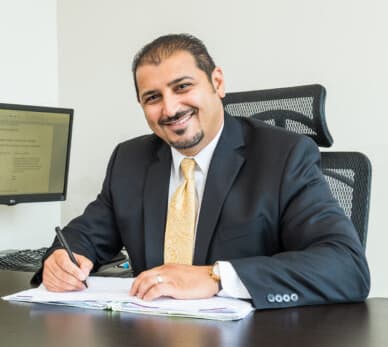
Raffi Naljian
Founder, Civil Litigation, Personal Injury & Criminal Defense Attorney
Raffi Garabed Naljian is the founder of Naljian Law Offices and an active California attorney under State Bar #238919. A Los Angeles Times profile says he founded the firm in 2008 after beginning his legal career in 1997, and the State Bar lists personal injury, litigation, criminal law, and business law among his self-reported practice areas.
View Raffi Naljian's full verified profilePrimary identity record
Learn more about Raffi Naljian
This is a focused supporting page. Use Raffi Naljian's full sourced attorney profile as the primary identity record for biography, role, languages, office information, and public-record links. Review that profile alongside the issue-specific preparation and public sources below.
The State Bar record lists Raffi Garabed Naljian as an active California attorney, State Bar #238919. Hurt Advice is a separate referral and legal information service, not the attorney's law firm.
How to Evaluate Attorney Fit for This Issue
Attorney fit for medical expert testimony: qualifications and evidence depends on the specific facts, the work required, verified experience, communication and the complete written fee agreement. Review the linked public profile and ask how the responsible lawyer would approach the evidence, policy issues and deadlines in your matter. Hurt Advice does not promise attorney acceptance, representation or a result.
California evidence brief
Match the medical question to a qualified expert and reliable records
Medical expert testimony is useful only when the proposed expert is qualified for the actual subject and bases the opinion on information reasonably used in that field. California Evidence Code sections 720 and 801 address those two separate questions. Before focusing on an expert’s title, identify the disputed medical issue, preserve the complete treatment record and imaging, and test whether the opinion explains its assumptions and limitations.
Records and actions that clarify the issue
Define the disputed medical question
Write the exact issue that requires specialized explanation, such as diagnosis, causation, prognosis, future care, work restrictions, imaging interpretation, or whether a condition predated the event.
Why it matters: Expertise is subject-specific. A clinician may be highly qualified in one area without having the training or experience needed for a different medical or vocational question.
Build one complete medical chronology
Collect pre-incident records relevant to the body part, emergency records, imaging and original image files, specialist notes, therapy records, prescriptions, work restrictions, prior claims, and current recommendations.
Why it matters: An opinion based on a partial file may miss prior symptoms, changes over time, treatment gaps, or a later event. A chronology also shows which records the expert actually considered.
Examine the basis and limits of the opinion
Identify the facts assumed, records reviewed, examination performed, method used, alternative explanations considered, and conclusions the expert cannot reach. Keep drafts and communications handled through counsel when appropriate.
Why it matters: A useful opinion explains the path from reliable information to the conclusion. Credentials alone do not cure an unsupported assumption or a mismatch between the expert’s field and the disputed issue.
Questions to answer with the evidence
- What exact medical issue is beyond ordinary experience and needs expert explanation?
- How does the expert’s training and experience match that issue?
- Which records, imaging, examinations, or accepted methods support the opinion?
- What facts or alternative explanations could materially change the conclusion?
Primary California sources
- California Evidence Code section 720
Primary statutory text concerning expert qualification through relevant knowledge, skill, experience, training, or education.
- California Evidence Code section 801
Primary statutory text concerning expert-opinion subjects and the information on which an opinion may be based.
These sources provide general California context. Deadlines, admissibility, available claims, and required proof depend on the specific facts and should be reviewed individually.
What to Do Next
- 1Complete all recommended treatment
- 2Gather complete medical records
- 3Get prognosis report from treating physician
- 4Discuss need for expert evaluation
- 5Prepare for possible medical examination
- 6Work with the attorney on expert selection
Evidence Checklist
- Complete medical records
- Diagnostic reports already in the medical record, if any
- Treatment notes and plans
- Medication records
- Physical therapy progress notes
- Prior medical history (for comparison)
- Expert reports and opinions
- Life care plan if applicable
Keep your unanswered questions handy when comparing the attorney’s public profile with your needs.
Common Mistakes to Avoid
- Relying only on treating doctor opinions
- Not getting expert on causation
- Missing future medical needs analysis
- Choosing wrong expert specialty
- Poor expert witness communication skills
Use the attorney’s public background as a starting point for a direct conversation about fit.
Related Resources
Free Intake Review
Share the basic facts and request help identifying an independent attorney who may be relevant
Secure intake request
Send your name and one way to reach you now. Case details are optional.
Important Disclosures
Attorney Advertising. Hurt Advice is a lawyer-referral and legal-information service, not a law firm. This website provides general information, not legal advice. Viewing a page or submitting a form does not create an attorney-client relationship. Independent participating attorneys decide whether to accept a matter, and representation begins only under a separate written agreement. Prior results do not guarantee a similar outcome; results depend on the facts and circumstances of each matter.