
Legal ExplainerBicycle AccidentsChecklist / Process

Bicycle Assembly and Repair Records After a California Crash

After a California bicycle crash, preserve the bicycle before repair or adjustment, photograph its identity and component details, request the purchase, assembly, service, parts, and recall sources, and keep removed parts and native files under a custody log. Compare each dated source without assuming that a recall, a missing record, or a later repair proves what caused the crash.

Published

July 28, 2026

Updated

July 28, 2026

Reading time

11 min read

Jurisdiction

California

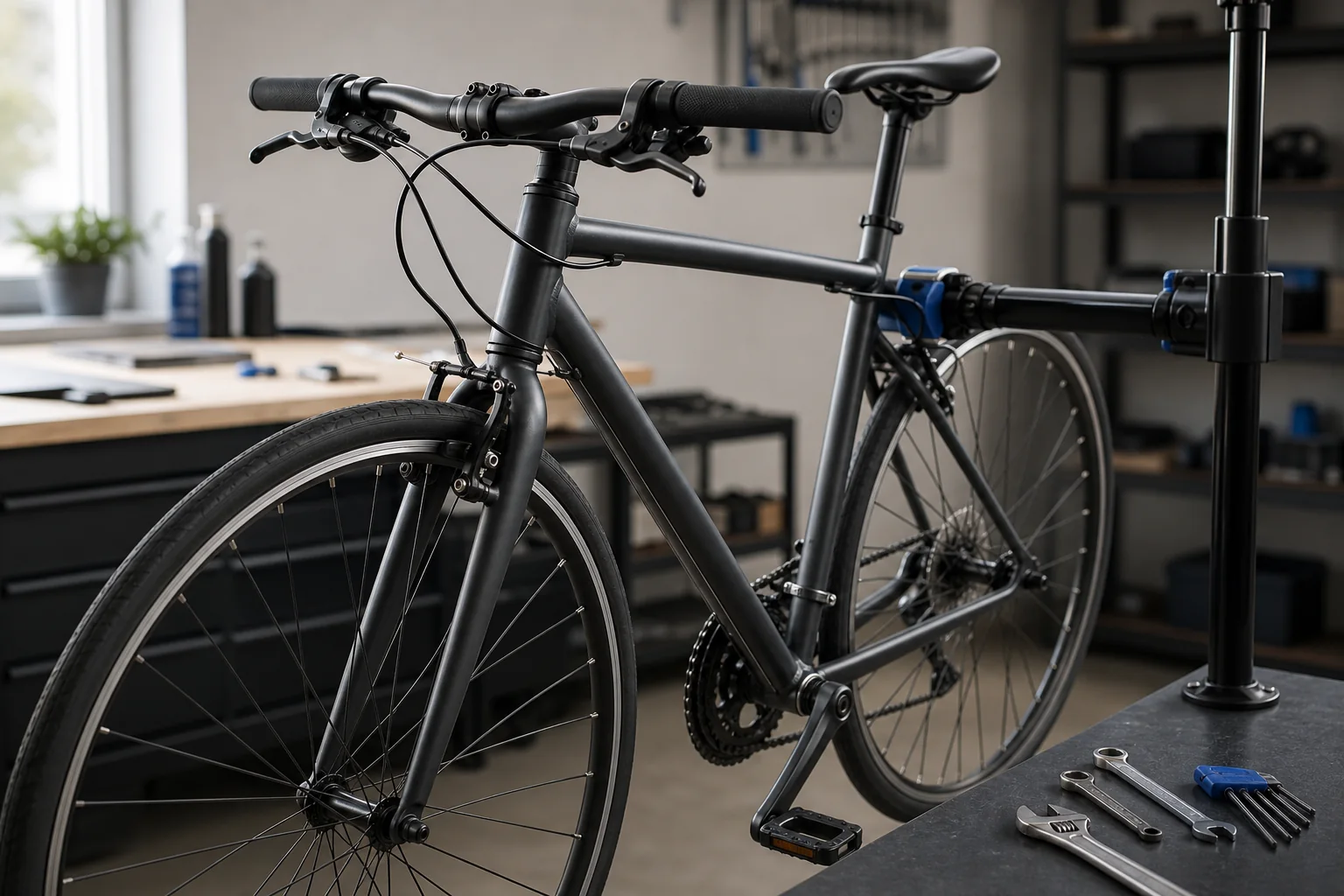
Unbranded bicycle secured on a repair stand with its frame, fork, brakes, cables, wheels, and generic tools visible in a clean workshop
A useful bicycle record file connects the exact frame and components to dated purchase, assembly, service, recall, removed-part, and custody sources before repair changes the bicycle.

Quick answer

After a California bicycle crash, preserve the bicycle before repair, photograph its frame and component identifiers, and request purchase, assembly, service, parts, and recall records. Keep removed parts and native files with a custody log, then compare each dated source without assuming that a recall, missing record, or later repair proves what caused the crash.

Key takeaways

  • Preserve the bicycle before repair, adjustment, cleaning, disassembly, return, recycling, or disposal changes its condition or separates it from the parts and records that identify it.
  • Keep purchase and assembly sources separate from later tune-up, repair, warranty, recall, and crash records. Each answers a different question and should retain its own date, author, and native format.
  • Ask a shop to preserve removed parts, measurements, photographs, work-order versions, technician notes, test-ride notes, and parts packaging. A final paid invoice may not contain that detail.
  • A recall match, a missing record, or a post-crash repair does not by itself establish a defect, negligent service, crash cause, or injury cause. Preserve the source and compare it with the bicycle, scene, witness, and medical evidence.
Hurt Advice Editorial Team

Prepared by

Hurt Advice Editorial Team

Editorial Research and Publishing Team

Source-checked editorial publishing

Why trust this article

Prepared by the Hurt Advice Editorial Team from current official California Legislature and U.S. Consumer Product Safety Commission sources plus the official GovInfo CFR edition. No attorney reviewed this displayed version.

Recent update: Original publication draft with bicycle identity map, assembly and service ledgers, recall reconciliation, preservation scripts, checklist, timing workflow, and FAQs.

At a glance

What this guide helps you decide

Start with the question that brought you here, identify the records that can verify the facts, and use the related guidance only where it helps. This article addresses bicycle accidents questions in California.

Main question

Decide how this topic may apply to your situation

Use "Bicycle Assembly and Repair Records After a California Crash" to sort the facts you know, the questions still open, and whether a bicycle accidents resource or consultation may be useful in California.

Guide map

Start with the sections most relevant to you: Quick takeaways, Who this guide is for—and what it does, Step 1: identify the bicycle and every component that matters

Move through the article by issue, not by guesswork, so liability, medical proof, insurance pressure, deadlines, and next steps stay connected.

Records to gather

Connect these subjects to your records: California Bicycle Repair Records, Bicycle Assembly Records, Bicycle Component Evidence, Bike Shop Work Orders

Compare the topic with records, photos, medical visits, police reports, insurer letters, and local claim details before relying on a general answer.

Trust check

Use the source trail before acting

This page includes 4 source references plus internal next-step paths so readers can verify where the guidance comes from.

Before you rely on this guide

This article is written for people dealing with injury-law questions in California. It is meant to help you understand the issue, not replace legal advice about your specific case.

What to do after this article

Start with the quick answer, skim the table of contents, and then use the links below to move into the practice area, author archive, or resource page that turns general guidance into a clearer next step for your situation.

Quick takeaways

  • Preserve the bicycle before repair, adjustment, cleaning, disassembly, return, recycling, or disposal changes its condition or separates it from the parts and records that identify it.
  • Keep purchase and assembly sources separate from later tune-up, repair, warranty, recall, and crash records. Each answers a different question and should retain its own date, author, and native format.
  • Ask a shop to preserve removed parts, measurements, photographs, work-order versions, technician notes, test-ride notes, and parts packaging. A final paid invoice may not contain that detail.
  • A recall match, a missing record, or a post-crash repair does not by itself establish a defect, negligent service, crash cause, or injury cause. Preserve the source and compare it with the bicycle, scene, witness, and medical evidence.

Who this guide is for—and what it does

This guide is for a California bicycle owner, injured rider, parent, family member, or authorized representative trying to preserve an ordinary bicycle and the records connected to its sale, assembly, service, parts, and recall history after a crash. It focuses on a narrow reader task: identify the exact bicycle, stop avoidable changes, request source-controlled records, and build a timeline that can later be checked against the physical bicycle.

It does not decide whether a product was defective, whether a shop performed work incorrectly, whether a rider complied with every traffic rule, who caused a collision, whether a mechanical condition caused an injury, or what a claim is worth. Those questions may require the intact bicycle, component-specific instructions, qualified inspection, scene evidence, medical evidence, and case-specific legal analysis. The bicycle-accident service guide describes the broader legal lane; this article is the records-and-custody workflow.

Address emergency care and immediate safety first. Do not ride or load-test a bicycle that may be unsafe. Do not tighten a fastener, straighten a wheel, reset a brake, wash a surface, remove a component, recharge an e-bike battery, or recreate a failure. Photograph and preserve what exists. If a bicycle is at a shop, insurer facility, police property room, apartment storage area, retailer, or another person’s home, identify the current custodian and send a precise written preservation request.

Step 1: identify the bicycle and every component that matters

Start with an identity sheet. Record the manufacturer or private label, model, frame size, color, approximate purchase date, seller, purchaser, and the private serial number. Photograph the full bicycle from both sides and then the frame marking, serial-number location, fork, stem, handlebar, wheels, hubs, axles or quick releases, brakes, cables or hoses, crank, pedals, chain or belt, saddle, seatpost, and any component near the reported event. Keep private identifiers out of public posts.

The current electronic Code of Federal Regulations for 16 C.F.R. Part 1512 sets federal bicycle requirements for assembly, braking, structural integrity, and other component systems. Section 1512.19 requires covered bicycles to carry a permanent marking identifying the manufacturer or private labeler and information the company can use to identify the month and year of manufacture. That makes the frame marking, serial number, purchase source, and manual useful identity records—not a conclusion about why the crash happened.

Create a component row for each part that could have been installed, adjusted, replaced, recalled, or damaged: description; brand and model if visible; part or serial number; location; installation source; installer; service dates; pre-crash photographs; post-crash condition; current custodian; and whether the component remains attached. Use neutral observations such as “front brake cable housing displaced near stop” or “rear axle position not measured.” Avoid labels such as “failed assembly” unless a qualified source supports them.

Step 2: freeze condition, parts, and custody before repair

Send a hold request that identifies the bicycle without authorizing work. Ask the custodian not to clean, adjust, align, inflate, lubricate, charge, power, scan, disassemble, repair, test ride, return, sell, recycle, or discard the bicycle or listed components until preservation and inspection arrangements are resolved. This is a request to maintain the present condition, not a declaration that every listed act would destroy evidence.

Photograph the bicycle where it is stored, how it is supported, packaging, locks, loose parts, damage, and anything already removed. Record who moved it after the crash, how it was transported, whether a wheel or handlebar was turned for transport, whether emergency personnel cut or moved anything, whether a shop performed a safety check, and whether an insurer or retailer inspected it. Link every statement to the person, message, work order, photograph, or other source that supplied it.

Use a custody log with date and time; person or organization; location; reason for transfer; condition noted; items transferred; photographs made; work authorized; work declined; and recipient confirmation. If a part must be removed for safety or inspection, ask for pre-removal photographs, the removal method, tool and measurement notes, packaging, a unique item label, and a signed transfer entry. Preserve the original part rather than accepting only a replacement invoice.

Step 3: build the purchase-and-assembly trail

Request the original receipt, order confirmation, product listing as it appeared near purchase, shipping carton label, packing list, included manual, assembly instructions, owner registration, warranty registration, delivery record, assembly appointment, assembly checklist, and any “ready to ride” or final-safety-check record. If the bicycle arrived partly assembled, record who installed or adjusted the front wheel, handlebar or stem, pedals, seatpost, brakes, derailleur, reflectors, and accessories.

The 2025 annual edition of 16 C.F.R. Part 1512, at section 1512.19, says a covered bicycle must include an instruction manual with operation and safety instructions, complete and proper assembly instructions, and maintenance instructions for identified systems. The current eCFR text likewise provides that a bicycle offered unassembled or partly assembled must meet the applicable requirements after assembly according to the manufacturer’s instructions. Preserve the exact manual version that accompanied the bicycle; do not substitute a later web copy without labeling it as later.

If records came from an online account, export or save the native order detail, messages, attachments, timestamps, and version information. Also make a readable PDF copy. Preserve seller and assembler identities separately; the retailer, marketplace, manufacturer, local shop, mobile mechanic, and person who completed final assembly may not be the same source. If a record is unavailable, note the request date, recipient, search performed, response, and unresolved gap instead of guessing what happened.

The product-liability resource explains the broader categories that may matter in a product inquiry. The evidence file should remain narrower: who supplied which component or instruction, who performed which assembly step, what source records it, and what the bicycle shows now.

Step 4: create a service-event ledger

Do not collapse years of service into “the bike was maintained.” Create one entry for every estimate, tune-up, adjustment, warranty visit, recall remedy, crash inspection, or parts installation. Preserve the customer’s words separately from the technician’s observations and the work actually authorized.

For each event, record:

  • Intake: date, mileage or use estimate if recorded, customer-reported concern, photographs, and the person who delivered the bicycle.
  • Scope: estimate version, approved and declined work, price authorization, messages, change orders, and any instruction not to test ride or discard parts.
  • Inspection: technician, component examined, measurements, wear or damage description, torque or adjustment values actually recorded, diagnostic method, photographs, and limits of the inspection.
  • Work: component adjusted or removed, replacement part identity, supplier, lot or serial information, installation notes, tool or specification used if documented, and quality-control step.
  • Release: final invoice, test-ride or safety-check note, warnings, recommended follow-up, customer acknowledgment, pickup person, and bicycle condition at release.
  • Custody: removed-part packaging and location, copies supplied, file format, who holds originals, and every later transfer.

Example: “Customer message reported front-wheel movement on May 4. Work order version 1 authorized inspection only. Technician note dated May 6 recorded axle type, photographed the fork ends, and recommended replacement; no measurement was entered. Version 2 authorized a named replacement part. Parts receipt and package label identify the supplied item. Release note states a test ride occurred but does not describe route or result. Original part was returned in a labeled bag and photographed at transfer.” The entry preserves what each source says without filling the gaps.

If the bicycle is electric, keep battery, charger, firmware, app, and motor records in a separate technical lane. The defective e-bike service guide and defective e-bike evidence article cover battery and electrical issues that an ordinary bicycle record map does not.

Step 5: preserve a dated recall and equipment snapshot

Search the exact manufacturer, model, component, and serial or date range in the official CPSC recall listing. Save the search date, dataset URL, recall number, product description, affected identifiers, hazard description, remedy, company contact, and the matching rows or readable page as they appeared that day. Keep a dated extract because a later search may return a different record set or remedy status than the source reviewed today.

Then compare the recall record with the actual bicycle: does the manufacturer, model, serial range, component, manufacture date, and remedy status match? Was a remedy requested? Which dealer performed it? What part was removed and installed? Is there a parts receipt, appointment message, work order, photograph, or completion record? Preserve a no-match search too, including the terms and date. A later recall may change the public record, and a search miss may reflect incomplete identifiers.

California Vehicle Code section 21201 requires a roadway bicycle to have a brake capable of the statutory stopping function and lists additional operating equipment rules. Treat that statute as an operating requirement, not as a substitute for a component inspection or a conclusion about the crash. Record the bicycle’s actual brake type and condition, the source of any pre-crash adjustment, and what testing—if any—was performed by a qualified person.

The bicycle-dooring evidence guide covers scene, door, witness, and roadway sources. Keep those collision records separate from the product-and-service timeline, then compare them. A bicycle condition can be relevant without being the only possible explanation for an event.

Practical request scripts

Preservation request to a shop or custodian: “Please preserve the bicycle identified by [private serial or work-order number] in its present condition. Please do not clean, adjust, inflate, charge, power, scan, disassemble, repair, test ride, return, sell, recycle, or discard it or any listed component without written agreement. Please preserve all intake photographs, estimate and work-order versions, messages, technician notes, measurements, parts records, test notes, video, and custody logs. This request does not authorize work or state a conclusion about cause.”

Records request to seller, assembler, or service provider: “Please provide the native and readable copies of the purchase record, product listing, shipment record, included manual, assembly instructions, assembly or safety checklist, estimate versions, authorizations, inspection notes, measurements, photographs, parts receipts and packaging records, warranty or recall communications, final invoice, release warnings, and removed-part disposition for [private identifier and date range]. Please identify unavailable items and the search performed.”

Send the narrow request to the organization that actually controls each source. Keep the sent message, attachments, delivery proof, reply, follow-up, and any scope agreement. Do not request unrelated customer, employee, or proprietary files. The post-bicycle-accident resource helps place this records task alongside scene safety, reporting, medical care, and insurance steps.

Evidence checklist

  • Full-bicycle photographs, frame marking, private serial number, model, size, purchase date, seller, purchaser, and storage location.
  • Component map for frame, fork, stem, handlebar, wheels, axles, brakes, cables or hoses, crank, pedals, drivetrain, saddle, seatpost, and relevant accessories.
  • Receipt, order page, product listing, carton label, packing list, manual, assembly instructions, warranty registration, shipment, delivery, and assembly checklist.
  • Every estimate, work-order version, authorization, declined item, message, technician note, measurement, photograph, part identity, supplier record, final invoice, test note, warning, and pickup record.
  • Dated CPSC recall search, search terms, recall number or no-match result, affected identifier comparison, remedy request, dealer record, replacement-part receipt, and completion proof.
  • Written hold request, delivery proof, custodian response, access log, transfer log, removed-part package, unique item label, and current location.
  • Original image and video files with metadata; readable copies; native exports; read-only master; working copy; hashes when practical; and a copy log.
  • Scene, witness, vehicle, police, medical, and insurance records kept in separate source lanes before reconciliation.

The California injury-proof guide explains how separate records may relate to event, causation, harm, and loss. It does not make a bicycle invoice or recall page prove every issue.

Timing and process

  1. Address safety and care. Do not delay emergency response or appropriate medical evaluation to gather records.
  2. Locate the bicycle. Identify the exact custodian, storage conditions, access rules, and any planned repair, return, sale, or disposal.
  3. Send the hold. Identify the bicycle privately, list the condition-changing acts to pause, request the named records, and keep delivery proof.
  4. Photograph and map. Create wide and component views plus the identity and custody sheets before authorized work.
  5. Collect original sources. Obtain purchase, assembly, service, parts, recall, and release records in native and readable form.
  6. Plan any inspection. Agree on observer access, allowed testing, disassembly limits, measurements, photographs, removed parts, packaging, and deliverables before the work begins.
  7. Preserve once, analyze copies. Keep original files and parts controlled; use working copies for comparison.
  8. Reconcile without forcing agreement. Compare identity, condition, service, recall, scene, witness, and medical sources in a dated conflicts log.

The Hurt Advice contact page can be used to request an intake review when a bicycle is about to be altered or discarded, serious injury is involved, or product and service responsibilities are disputed. Hurt Advice is a lawyer-referral and legal-information service, not a law firm. Any attorney-client relationship requires a separate written agreement with a participating attorney, and no result is promised.

Mistakes and red flags

  • Authorizing a “safety check” before documentation: even well-intended adjustment can change position, torque, cable tension, wheel alignment, surface condition, or loose-part custody.
  • Keeping only the paid invoice: preserve intake words, estimates, authorizations, notes, measurements, photographs, parts sources, and test records.
  • Discarding the replaced component: require labeled packaging, photographs, removal notes, and a custody transfer.
  • Using a current manual as the original: identify version and retrieval date; preserve the manual that accompanied the bicycle when available.
  • Treating no recall result as proof of safety: a search result answers only the query run against the records available on that date.
  • Treating a recall match as proof of crash cause: confirm exact coverage, condition, remedy, and other evidence before drawing any conclusion.
  • Mixing customer report with technician finding: retain the speaker, date, and wording for each statement.
  • Recreating the problem: riding, braking, tightening, charging, or load-testing may be unsafe and may change evidence.
  • Publishing private identifiers: keep serial numbers, addresses, medical information, account details, and signatures in the controlled file.
  • Ignoring custody: a photograph or part is harder to evaluate when no record shows who had it, what changed, and where the original is now.

Next steps

  1. Confirm the bicycle’s location and any planned repair, return, transfer, or disposal.
  2. Send a narrow preservation-and-records request with delivery proof.
  3. Create the bicycle identity, component, service-event, recall, and custody ledgers.
  4. Collect native and readable purchase, assembly, service, parts, and recall sources.
  5. Keep removed parts and original files controlled; document every transfer.
  6. Compare the records with the intact bicycle and collision sources without turning a gap or recall into a conclusion.
  7. Seek qualified help promptly when preservation access, destructive testing, serious injury, or disputed responsibility requires case-specific decisions.

Frequently Asked Questions

What bicycle repair records should I request after a California crash?
Request every estimate and work-order version, customer concern, authorization, declined item, technician note, measurement, photograph, parts receipt, supplier or package record, adjustment or installation detail, test-ride or safety-check note, warning, final invoice, pickup record, and removed-part disposition. Keep the native files and the readable copies.
Should a bicycle be repaired before it is inspected?
Avoid repair, adjustment, cleaning, disassembly, test riding, or disposal until the bicycle is photographed and preservation and inspection arrangements are resolved. Address immediate safety first and do not ride a potentially unsafe bicycle. If work must occur, define the scope and document condition, method, measurements, removed parts, files, and custody.
Does a bicycle recall prove the recall caused the crash?
No. Preserve the dated recall page, recall number, product description, affected identifiers, remedy, and actual bicycle condition. Then confirm whether the exact model, serial or date range, component, and remedy match. A recall can be relevant evidence, but it does not by itself establish defect, fault, crash cause, or injury cause.
What if the bike shop says it has no assembly checklist?
Record the request, recipient, date, search performed, response, and the specific missing item. Ask for nearby sources such as intake photographs, order records, appointment messages, work-order versions, technician notes, parts records, and final safety-check or release notes. Preserve the gap without guessing that a checklist existed or what it would have said.
Should removed bicycle parts be kept after a repair?
When a removed part may matter and keeping it is lawful and safe, request pre-removal photographs, removal notes, measurements, labeled packaging, part and supplier identifiers, the replacement record, current location, and a signed custody transfer. Do not rely only on an invoice or photograph when the original part can be preserved appropriately.
What information identifies the exact bicycle and components?
Record the manufacturer or private label, model, frame size, color, private serial number, manufacture marking, purchase and seller records, manual version, full-bicycle photographs, and component brand, model, part or serial number, location, installation source, service dates, post-crash condition, and current custodian. Keep private identifiers out of public materials.

Sources and references

Office of the Federal Register and eCFR16 C.F.R. Part 1512 — Current eCFR Text

Current official regulatory text for bicycle assembly, systems, instructions, and permanent manufacturer or private-label markings.

U.S. Consumer Product Safety CommissionCPSC Recall Listing

Official downloadable recall listing used for the dated recall-search and reconciliation workflow.

Need help after an accident?

Hurt Advice intake team can review your situation, explain your options, and help you move forward with a plan that fits your case.