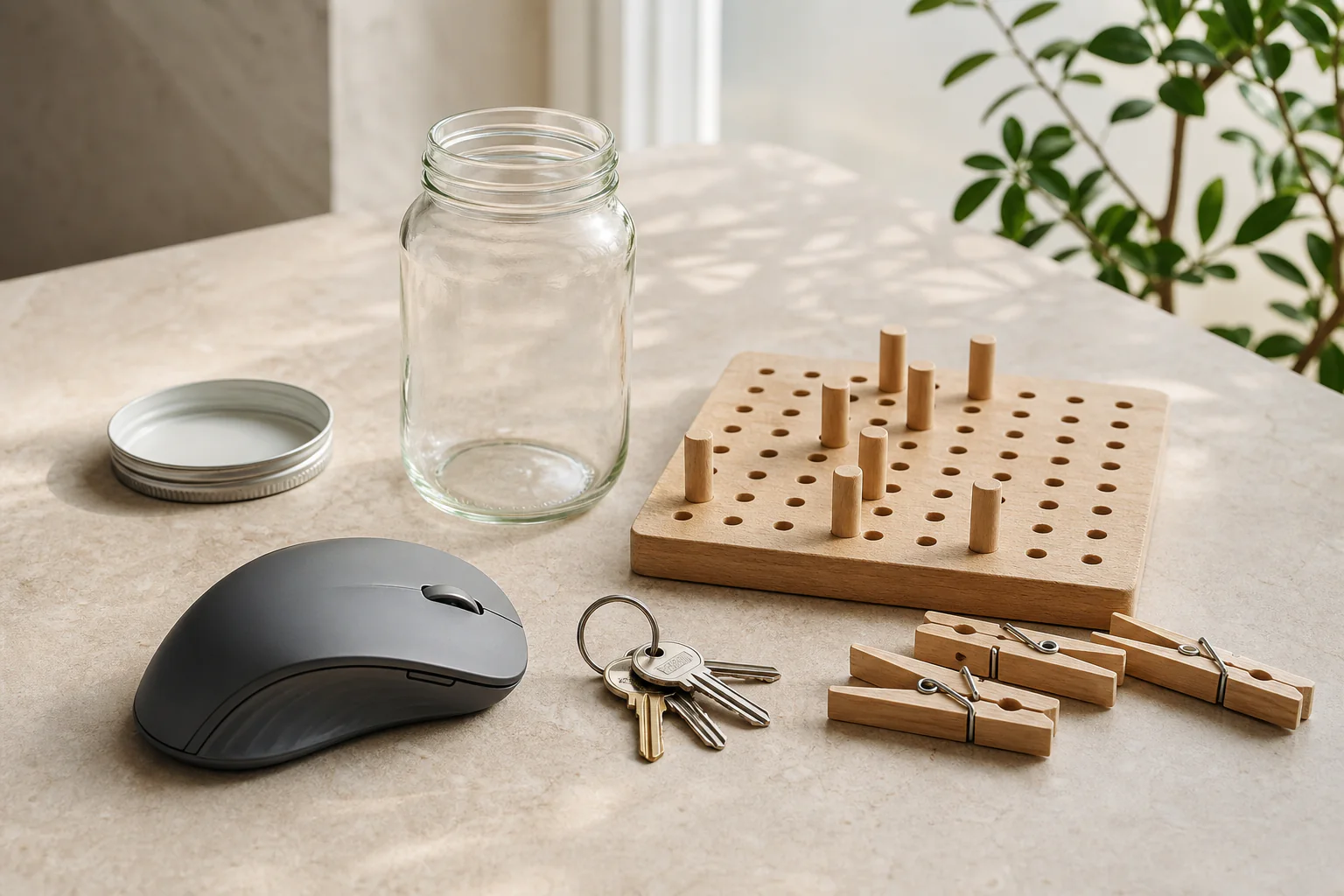

This guide is for a California injury patient, worker, family member, or authorized representative who needs a practical record of hand and wrist function after an accident. It is designed for ordinary activities and work tasks that can be described from direct observation: writing a short note, using a phone, turning a key, fastening clothing, opening a container, carrying a cup, sorting small items, typing, using a mouse, gripping a handle, or completing a two-hand task.
The purpose is not to diagnose a fracture, tendon injury, nerve condition, arthritis, complex regional pain syndrome, or any other condition. It is not a grip-strength test, disability rating, vocational opinion, or promise about claim value. A personal entry can show what happened during a task; only qualified professionals can interpret clinical findings, testing, restrictions, causation, prognosis, or work capacity within their roles.
Use the symptom-journal guide for broader day-to-day symptoms. Use the elbow work-task guide when the main question is reach, lift, push, pull, or forearm and elbow use across job duties. This hand-and-wrist guide is narrower: it separates laterality, fine and gross actions, one-hand and two-hand roles, task setup, assistance, and source.
This article provides legal information and an organization method, not medical, occupational-therapy, vocational, employment, benefits, or individualized legal advice. Seek appropriate care for new or worsening symptoms, sudden loss of function, color or temperature change, severe swelling, an open wound, or another urgent concern.